Published by TrenBuzz.com | July 13, 2026 | ANNIVERSARY ANALYSIS
Key Points at a Glance
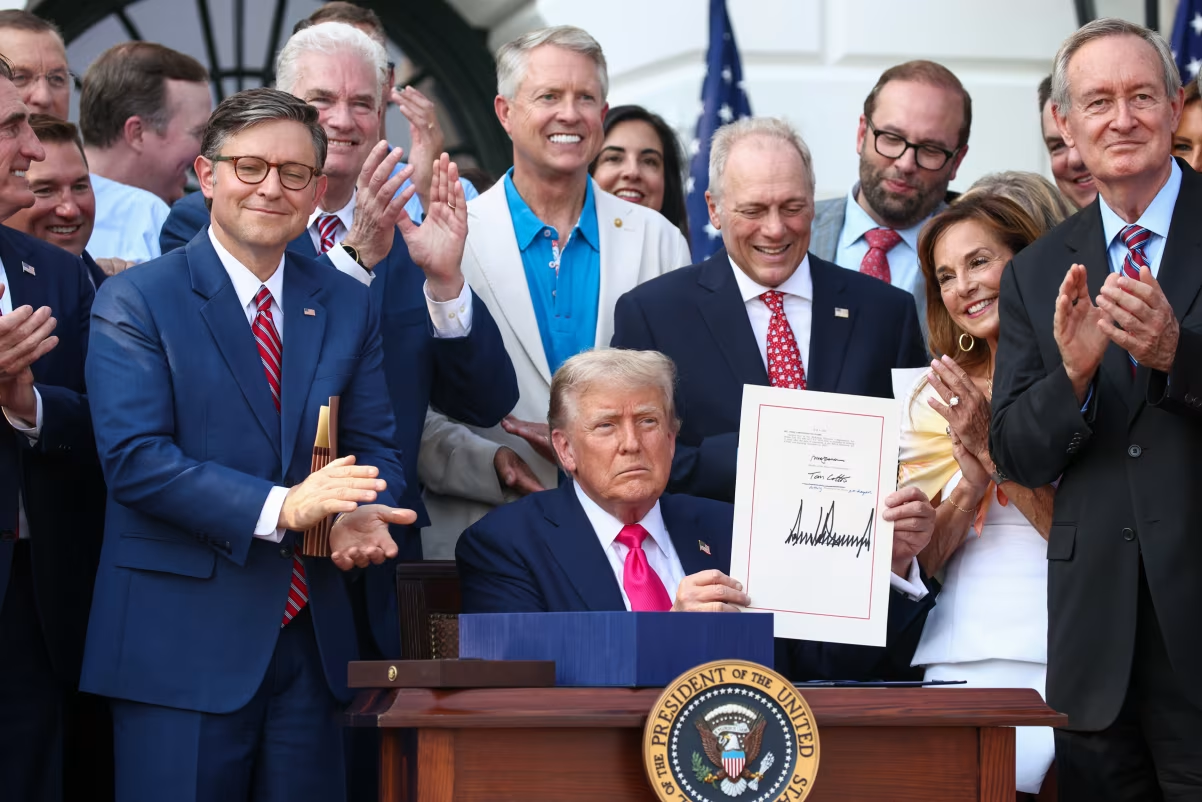
- The One Big Beautiful Bill Act was signed by Trump on July 4, 2025, exactly one year ago, but its own anniversary went unmentioned in Trump’s July 4, 2026 speech.
- Trump has claimed it is the “single most popular bill ever signed,” a claim CNN disputed saying it was “an up-is-down reversal of reality.”
- A Navigator Research poll from June 2026 found only 34% of Americans approved of the law, 53% disapproved, and 13% were unsure.
- The bill passed the Senate 51-50, with VP JD Vance casting the tie-breaking vote, after three Republicans voted no.
- Roughly 16 million people could lose health insurance coverage by 2034 due to Medicaid cuts and ACA marketplace changes, per the CBO.
- The law eliminates the $7,500 electric vehicle tax credit starting September 30, 2025, well ahead of the midterms.
One Big Beautiful Bill Act: One Year Later, What It Actually Delivered
Trump marked the 250th anniversary of the nation’s founding on July Fourth with a speech touting a roaring stock market, urging election reforms, and hailing military interventions in Venezuela and Iran. But another anniversary went conspicuously unmarked: the passage of the One Big Beautiful Bill Act, signed into law by Trump exactly one year earlier.
That silence is telling. When you sign what you call the greatest piece of legislation in American history, you do not forget its birthday. You skip it because the polling says most Americans disagree with you about how great it was.
What the Bill Did for Regular Americans
DHS Secretary Markwayne Mullin celebrated, citing over $1.6 trillion in spending cuts, no tax on tips, Social Security or overtime, and $165 billion for DHS border enforcement.
Medicaid’s funding changes under the law are not scheduled to take effect until 2028, well past the upcoming 2026 midterm elections. But student loan changes, including the elimination of Grad PLUS loans and income-driven repayment plans, took effect July 1, 2026.
The 53% Disapproval That Explains the Silence
The estate, gift, and generation-skipping transfer tax exemption increased from $13.99 million in 2025 to $15 million in 2026, benefiting the wealthiest American families.
Meanwhile, clean energy incentives are gone, graduate student borrowing is capped, and Medicaid cuts loom for 2028. The bill delivered permanent tax cuts for corporations and wealthy estates. For everyone else, the benefits were narrow and the cuts are real. That arithmetic explains both the 53% disapproval rating and Trump’s very conspicuous July 4 silence.