Published by TrenBuzz.com | July 7, 2026 | BREAKING SUPREME COURT
Key Points at a Glance – Supreme Court Lets Texas Force Apple and Google to Check Your Kid’s Age
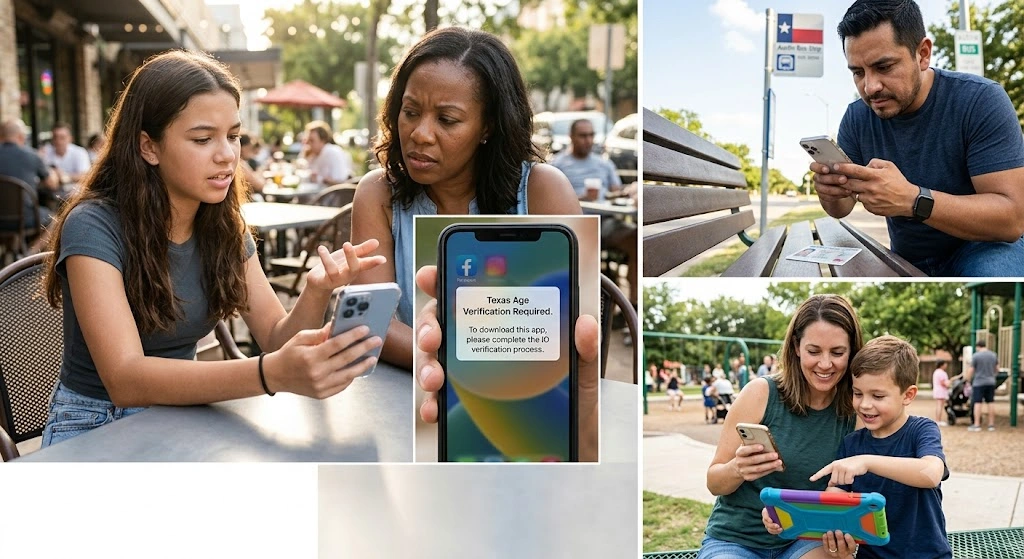
- The Supreme Court on July 6, 2026, declined to block Texas from enforcing the App Store Accountability Act, which requires age verification and parental consent for all app downloads by minors.
- Justice Samuel Alito issued two one-sentence orders denying the emergency petitions, with no noted dissents from any justice.
- Apple and Google’s trade group, the Computer and Communications Industry Association, warned the law would bar young people from accessing Ernest Hemingway, Taylor Swift, and National Geographic, not just TikTok.
- A federal district court had found the law unconstitutional in December 2025, but the 5th Circuit reversed that in June 2026, and the Supreme Court has now allowed enforcement to proceed while legal challenges continue.
- Texas AG Ken Paxton, who won the Republican Senate primary just last month, is a defendant in both cases, making this ruling a political win layered on top of his primary win.
- At least 40 other states are tracking this case closely, as most have passed or are considering similar age verification laws.
Texas Age Verification App Downloads: What the Law Actually Requires Right Now
The Texas App Store Accountability Act, signed by Governor Greg Abbott in 2025, requires app store accounts belonging to anyone under 18 to be linked to a parent or guardian. Before a child can download any app, parents must be notified of its age rating and must approve the download.
This goes far beyond what any previous state law has done. Opponents said it marked the first time a state has ever required its citizens “to prove their age before reading a newspaper, entering a bookstore, or even accessing the internet.”
The law is not limited to social media. It covers every single app in both the Apple App Store and Google Play Store available to Texas users.
Why This Is Different From Last Year’s Texas Pornography Ruling
The Supreme Court last summer allowed Mississippi to enforce a law that required the nation’s largest social media companies to verify the age of their users and obtain parental consent for minors. Last year, the Supreme Court upheld a different Texas law that requires age verification for pornographic websites.
The critical legal distinction the tech groups raised this time is that previous rulings involved content that was either obscene or a narrow category of platforms. This law covers everything: a Shakespeare reader app, a fitness tracker, a weather app, and every game on the market.
Students Engaged in Advancing Texas argued the case raises First Amendment issues beyond Texas because most states now have laws requiring age verification or age restrictions for accessing protected speech.
The National Domino Effect Nobody Is Talking About Enough
The real story here is not just Texas. Other states have considered similar laws amid a push to tighten online regulations for young people.
What happens in Texas first tends to spread. The 5th Circuit allowing this law to take effect, combined with the Supreme Court’s refusal to block it, sends a clear signal to 40 other state legislatures: your own app age-verification bill is now on much firmer legal ground than it was 48 hours ago. By the end of 2026, the United States could effectively have a nationwide age-verification system for app downloads, built from the bottom up through state law rather than any act of Congress.