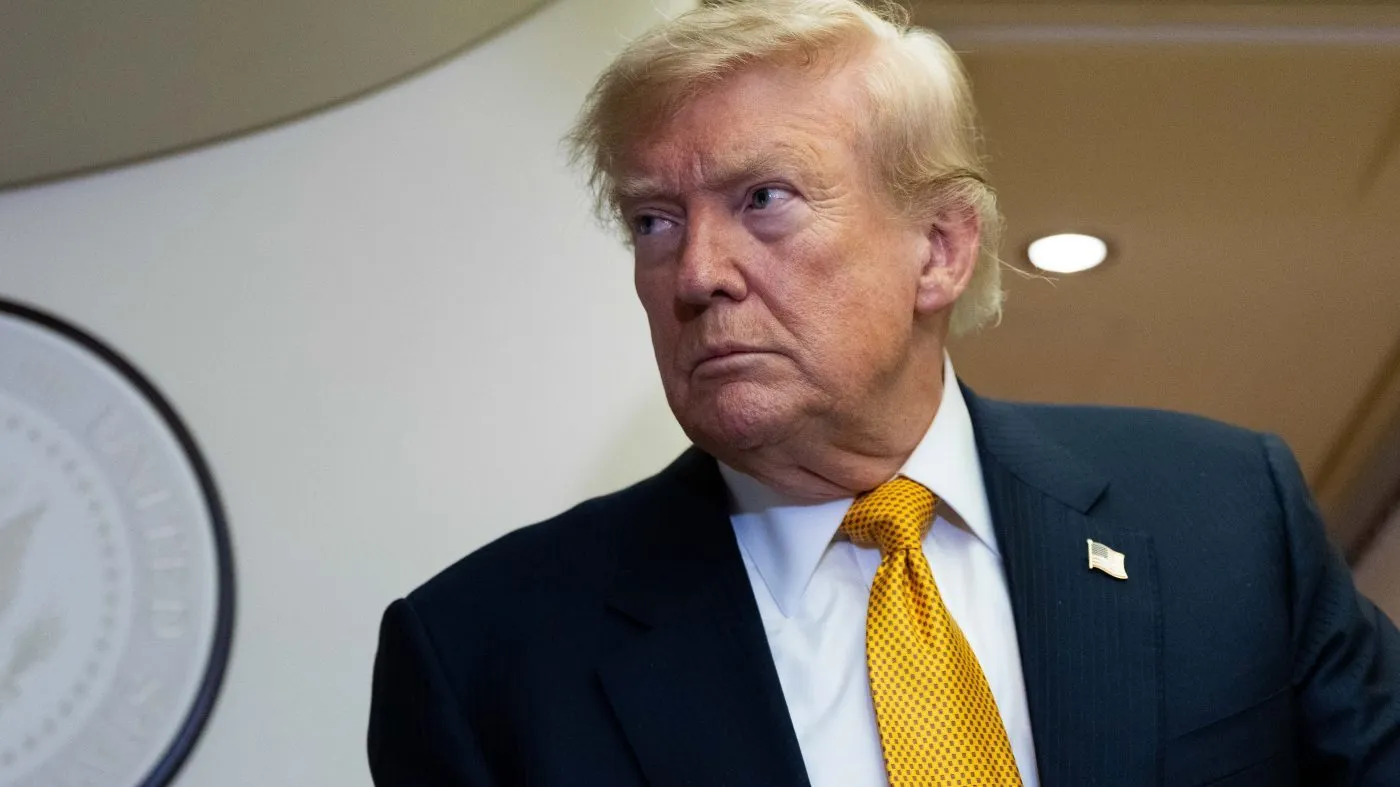
Key Points: Trump Dead Rumors Debunked
- Trump dead rumors spread rapidly after a vague White House scheduling announcement
- The White House confirmed Trump is alive, and he later joked about it publicly
- The panic started over VP Vance simply taking Wednesday’s press briefing
- Behind the noise, a real White House midterm strategy is quietly taking shape
A routine scheduling notice from the White House press office triggered a viral death panic this week, one that says more about internet behavior than the president’s actual health.
Why Trump Dead Rumors Went Viral This Time
Here’s exactly what set off the panic. The White House Press Office posted Wednesday, September 2, announcing simply that “Vice President @JDVance will take the podium tomorrow at 1:00PM.”
That single scheduling post, combined with news that press secretary Karoline Leavitt had recently stepped down for family time, was enough to flood social media with claims like “HOLY SHIT TRUMP DIED.”
Here’s the actual explanation behind both changes. Leavitt’s departure had been publicly announced weeks earlier as a planned exit to spend more time with her young children, unrelated to any presidential health concern.
Vance filling in for a single briefing is a routine occurrence that’s happened numerous times throughout this administration, without any connection to Trump’s condition.
What The Evidence Actually Shows
Here’s the simplest way to fact-check this rumor. Trump remained publicly active throughout the entire period these rumors circulated, appearing in public events and continuing his usual social media activity.
One account cutting through the noise put it bluntly: “Donald Trump did not die today,” a post that captured just how quickly speculation outpaced actual verified information.
Here’s important historical context making this pattern feel familiar. This isn’t the first Trump death rumor cycle this year. A nearly identical wave hit in April 2026, triggered when the White House simply announced Trump wouldn’t make public appearances over Easter weekend.
That April episode included similarly unverified claims about road closures near Walter Reed Medical Center, none of which were ever officially confirmed.
Here’s The Pattern Nobody’s Actually Named
This is worth stating plainly, since most coverage treats each rumor cycle as an isolated event. What’s actually happening is a recurring media literacy failure, where any deviation from Trump’s normal visible schedule gets algorithmically amplified into death speculation within hours.
At 80 years old, Trump became the oldest person ever elected to a second presidential term, a fact that makes health scrutiny understandable in principle. But scrutiny and unverified viral panic are very different things.
The pattern here follows a predictable three-step cycle: an ambiguous administrative announcement, rapid speculation filling the information gap, then an eventual debunking that reaches far fewer people than the original rumor did.
The Real Story Buried Under The Noise
Here’s what actually deserved more attention this week instead. While social media chased death rumors, the White House has been quietly building its actual midterm strategy heading into November.
That strategy centers on several fronts already in motion: the SAVE America Act voter ID push, the ongoing mail-ballot regulation fight currently tied up in federal court, and a series of high-profile endorsements in contested primaries nationwide.
Karoline Leavitt’s own departure fits directly into this picture. Trump confirmed she’ll become “one of my top outside advisors” specifically ahead of the midterms, redirecting her communications skills toward campaign strategy rather than daily press briefings.
Here’s why that shift matters more than any viral rumor. With Republicans defending a narrow House majority and Democrats hoping to capitalize on primary energy from progressive challengers this cycle, every senior staffing decision now carries genuine midterm implications.
Why This Distinction Actually Matters
Trending hashtags like #TrumpIsDead generate enormous engagement precisely because they’re dramatic and shareable. Genuine midterm strategy shifts generate comparatively little attention because they’re incremental and procedural.
That imbalance means the public conversation around this presidency increasingly skews toward viral speculation rather than the substantive political maneuvering actually shaping the country’s direction heading into a consequential election.
With Trump very much alive and active, and real midterm strategy decisions unfolding in the background, this week’s rumor cycle offers a useful reminder: verify before you share, and pay closer attention to what’s actually happening beneath the noise.