Key Points: Justice Department Recusal Motion
- The Justice Department asked the Eighth Circuit on September 30 to investigate seven Minnesota federal judges and remove two of them from Homeland Security cases.
- The complaint centers on a New York Times interview about last winter’s immigration crackdown.
- The judges say they acted within ethics rules, and a complaint is not a finding of misconduct.
- The final decision belongs to the appeals court, not the Justice Department.
- The department’s earlier recusal arguments in other cases may shape how this one is judged.
What Is the Justice Department Recusal Motion Against Minnesota Judges?
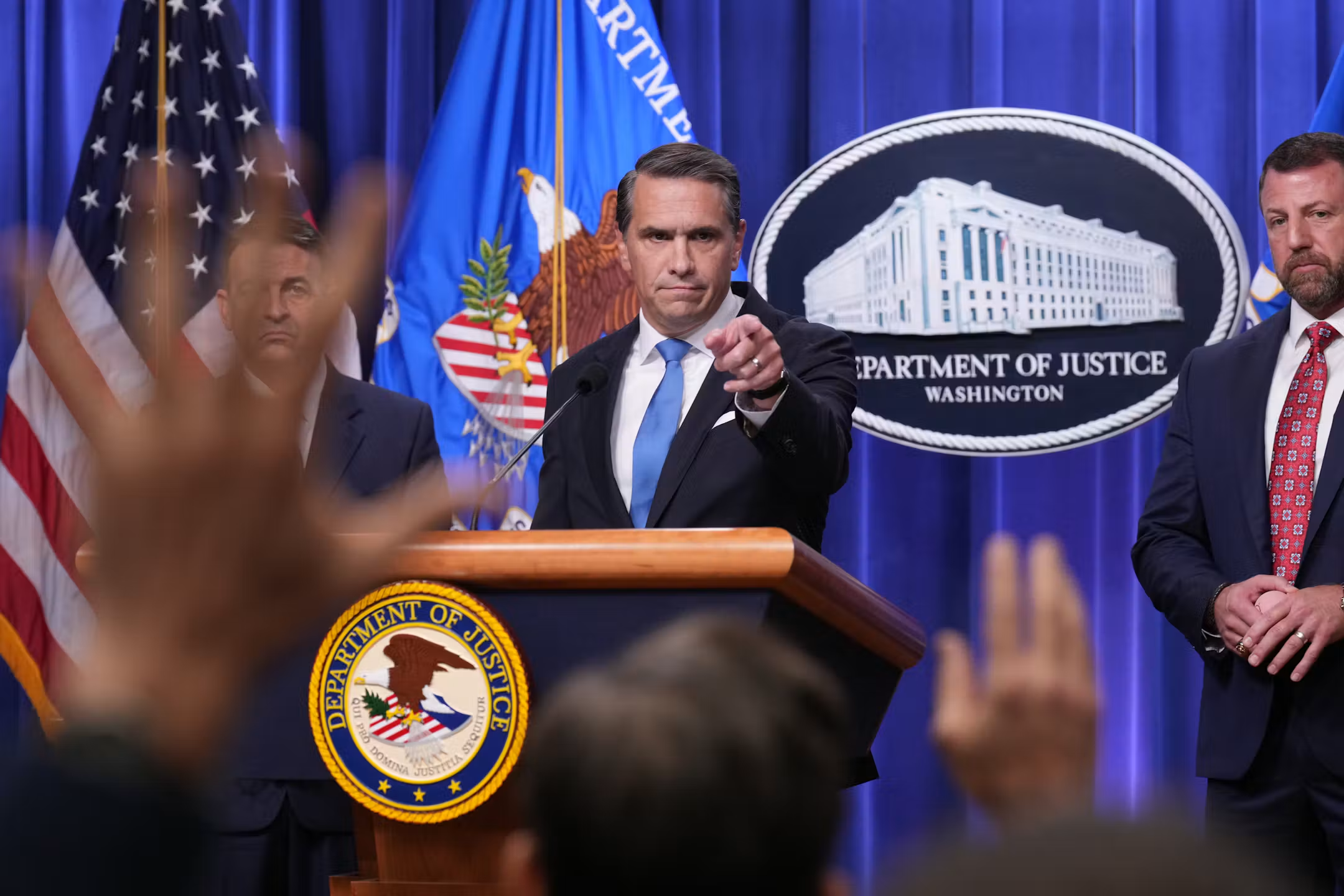
A Justice Department recusal motion usually means a request for a judge to step away from a case. This one is slightly different. Attorney General Todd Blanche announced a judicial misconduct complaint that also asks for recusals.
The filing went to the Eighth Circuit Court of Appeals. It names Chief Judge Patrick Schiltz and Judge John Tunheim, plus unnamed colleagues.
The department wants the two named judges removed from immigration cases involving the Department of Homeland Security. It also wants a special committee to investigate.
How the Fight Started
The dispute grew out of Operation Metro Surge, the large immigration enforcement push in Minnesota last winter. Federal judges there handled roughly 1,000 habeas corpus cases from detained immigrants.
University of Minnesota researchers found judges sided with detainees and ordered release in more than 70 percent of those cases. Some orders to return detainees to the state were not followed right away, which led judges to consider contempt.
In September, seven judges spoke on the record to The New York Times about that period. Schiltz said the government’s conduct created a grave threat to the rule of law.
Why the Justice Department Says the Judges Crossed a Line
The department leans on the Code of Conduct for United States Judges. It argues judges must not comment on pending matters or make political statements about issues that may reach their courtrooms.
Blanche said the interviews hurt public trust in an impartial bench. The core claim is that a fair observer could doubt whether these judges can hear DHS cases without bias.
The department also says the judges “covet publicity,” which is a pointed accusation.
The Judges Push Back
Schiltz answered quickly. He said legal ethics experts had confirmed he stayed well within the rules for federal judges.
A spokesperson for the court said the same about the group. Minnesota Attorney General Keith Ellison called the move an attempt to intimidate judges.
What Happens Next
This is where many readers get confused. The Justice Department cannot remove a judge by filing a complaint.
The Eighth Circuit’s chief judge, Steven Colloton, first decides whether to dismiss the complaint or send it to a special committee. Colloton was appointed by President George W. Bush, as was Schiltz.
The complaint is an allegation, not a ruling. Nothing I found shows a decision yet, so readers should watch for the chief judge’s first step.
The Angle Few Are Discussing: The Department’s Own Recusal Playbook
Here is the part that deserves more attention. In earlier recusal fights, the Justice Department argued for strict limits.
In an antitrust case before Tunheim, the department opposed a company’s recusal bid. It said recusal claims must come at the earliest moment and that cases are decided by judges, not clerks.
In March, a Minnesota judge refused a DOJ recusal request tied to his spouse’s work. He called it improper, untimely, and lacking merit, and the department said it would appeal.
So the same department has argued both sides of the recusal question depending on the case. That does not decide who is right now, but it gives the Eighth Circuit a record to compare.
The Practical Stakes for Ordinary Cases
Recusal is not only a legal talking point. It changes who hears real cases, and how fast.
A smaller bench means more reassignments, longer waits, and possible borrowing of judges from other districts. Detained immigrants, defense lawyers, and federal prosecutors would all feel that delay.
There is also a precedent question. If judges can be pushed off whole categories of cases over public remarks, future challengers on any side may try the same tactic.
Why Both Sides Have a Point
Supporters of the department say judges should stay quiet about active disputes. They argue public comments can make a ruling look decided in advance.
Defenders of the judges say the interviews described past events and court administration, not specific pending outcomes. They also note the judges were appointed by presidents of both parties.
The Eighth Circuit now has to draw that line. Its answer could shape how much federal judges feel free to say in public for years.
The Bottom Line
This showdown is about more than seven interviews. It tests who controls the line between judicial speech and judicial bias.
For now, the judges keep hearing their cases while the appeals court weighs the next step. Keep an eye on Colloton’s first decision, since it will signal how seriously the complaint will be treated.