Key points
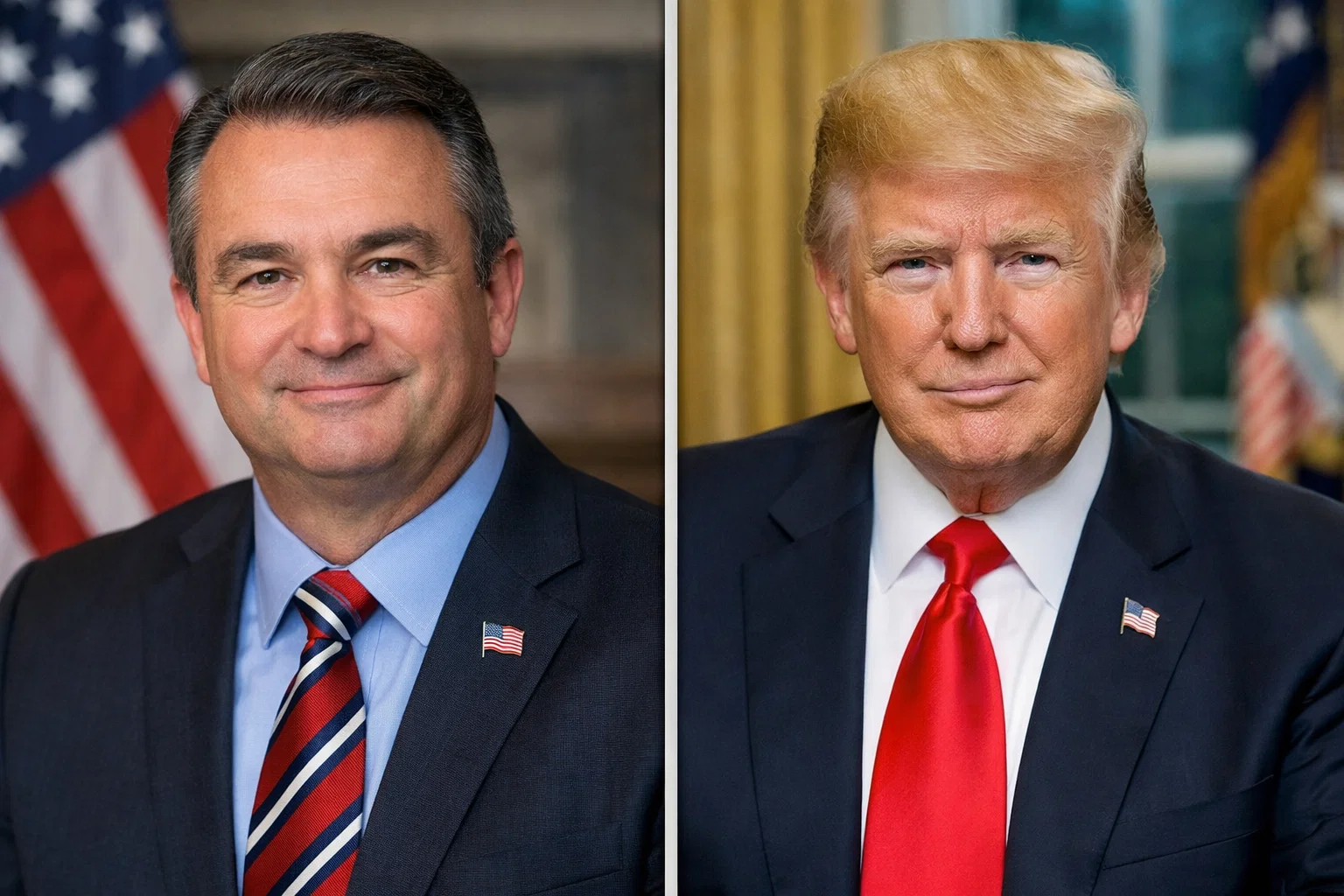
- Don Bacon warned Congress won’t bail out the White House’s replacement tariff plan and predicted the new 10% global levy would be defeated on the Hill.
- Donald Trump has invoked Section 122 of the Trade Act to impose a temporary global tariff after the Supreme Court struck down his earlier emergency-based duties.
- The United States Congress — not the White House — must ultimately decide whether to codify or extend such broad trade levies; resistance from swing Republicans and Democrats makes passage uncertain.
- The Supreme Court of the United States last week limited the president’s emergency authority, prompting the administration to seek alternative legal paths.
- Early coverage and reaction were widely reported by major outlets including Reuters.
Bacon signals Trump’s new tariff order will be defeated by Congress — quick explainer
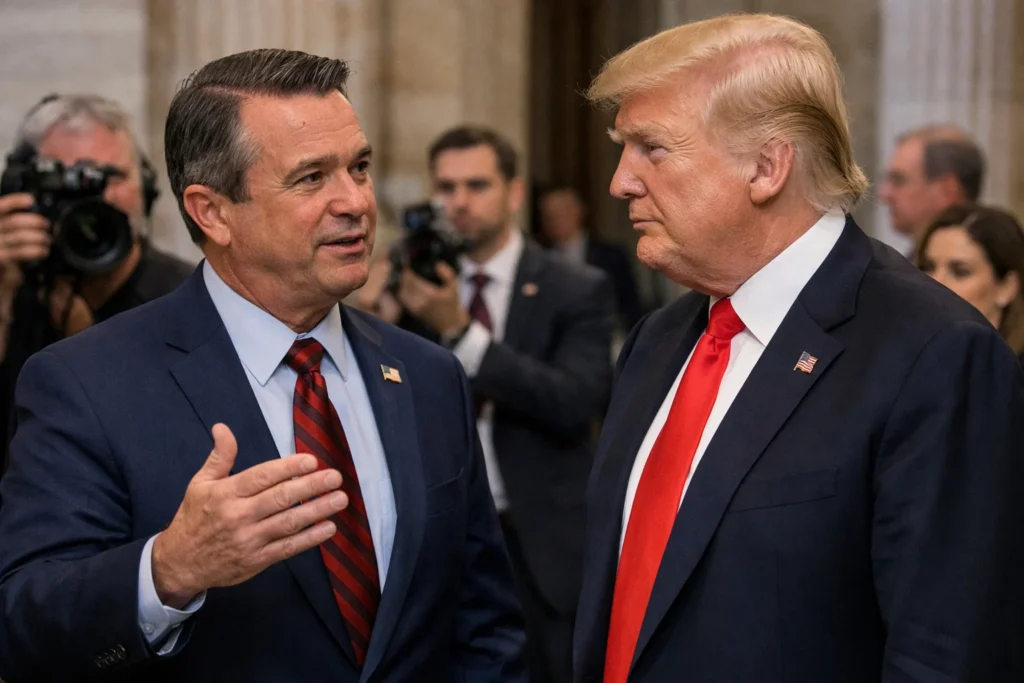
Rep. Don Bacon’s public comment that Congress “won’t” back the administration’s replacement tariff is a blunt political signal: even with an executive order in hand, the White House faces a tough legislative path if it wants Congress to formally endorse or extend sweeping, economy-wide duties. Bacon’s warning matters because he represents the faction of GOP lawmakers who have repeatedly opposed broad tariffs on economic and political grounds.
Why Bacon’s prediction matters
- Politics over procedure. Section 122 lets the president impose temporary tariffs for a limited period, but any attempt to make those levies permanent or expand them will require congressional votes — where moderate Republicans and many Democrats are skeptical.
- Electoral math. Lawmakers in export- or import-sensitive districts worry about higher consumer prices and supply-chain disruption; those constituencies create real pressure against broad tariff packages.
- A legal-political echo. The Supreme Court’s recent decision struck down the prior emergency-based scheme, narrowing executive leeway and handing Congress a stronger role in the next steps.
What to watch next
- Floor maneuvers: Will House or Senate leadership actually bring a bill to the floor that would codify the tariff? If so, key swing votes (and public hearings) will reveal whether Bacon’s prediction holds.
- White House strategy: The administration may seek temporary measures, carve-outs, or narrower sector-specific remedies to win votes — watch proclamations and Commerce/Treasury guidance for changes.
- Market signals: Import-heavy sectors and consumer stocks typically react quickly to tariff news; traders will monitor any shifts in likely congressional support and official guidance on exemptions.
What readers and businesses should do now
- Businesses: Consult trade counsel and customs brokers to understand near-term compliance and contingency plans if tariffs remain temporary or are defeated.
- Voters & advocates: Contact your representative if you have concerns about tariffs’ local economic impact — floor votes are influenced by constituent pressure.
- Investors: Watch sector rotation: consumer, retail and manufacturing names may be most sensitive to tariff outcomes.
Bottom line
Rep. Bacon’s statement is less an attack line than a practical read of Capitol Hill arithmetic: a president can order tariffs, but making them stick politically requires Congress — and a large enough coalition to survive floor votes. If Bacon is right, the administration will either retool policy, accept temporary measures, or face another high-stakes showdown with a skeptical Congress.