
Key points: California DMV data sharing
- California DMV says it limits personal data collection and protects records under state and federal privacy laws.
- Government and commercial requesters can obtain certain DMV records, and as of April 1, 2026, they must do that electronically.
- California is also rolling out new DMV technology in April 2026 to fight identity fraud and speed up service.
California DMV Data Sharing Gets a 2026 Reset: Privacy, Access, and Faster Digital Service
California DMV data sharing is back in the spotlight in April 2026 as the state balances two goals at once: stronger privacy protection and faster digital access. The DMV says it collects only the personal information allowed by law and safeguards it under the Information Practices Act, the Driver’s Privacy Protection Act, the Public Records Act, and the Vehicle Code.
That matters because DMV records are not one single bucket of data. Some information, such as driver status, convictions, suspensions, and revocations, is open to public inspection under California law. Other personal details are protected and can be released only under legal exceptions or with proper authority.
The newest shift is operational. As of April 1, 2026, government requesters and commercial requesters are required to handle their DMV business electronically through the Information Requester Program. That system lets approved users request records, make payments, and receive support online.
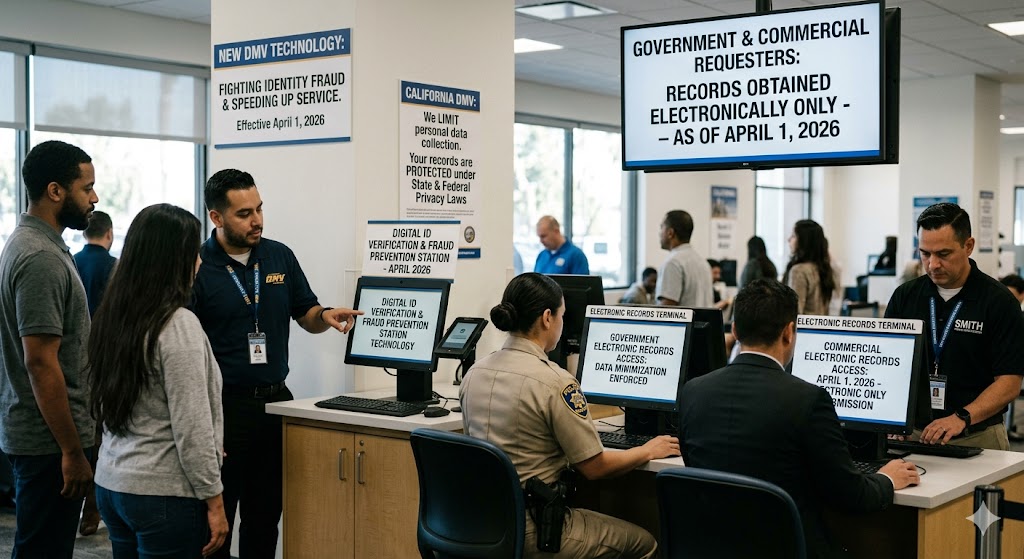
For businesses and agencies that rely on DMV files, the rules are not casual. Requesters must show a legitimate need, maintain logs, protect the information from unauthorized access, and use the data only for the approved purpose. DMV can deny or cancel access if the records are misused.
At the same time, California is trying to make DMV interactions more secure. On April 14, 2026, state officials announced new digital signature barcodes on driver’s licenses and ID cards, plus a QR code check-in system at DMV offices, both aimed at reducing identity fraud and wait times.
The digital push continued on April 28, 2026, when California announced the expansion of its mobile driver’s license pilot to Samsung Wallet. That move signals a DMV that is leaning harder into digital identity tools while still emphasizing privacy and security controls.
For drivers, the takeaway is simple: the DMV does share information, but not without rules. The state says it limits disclosure, tracks access, and uses security safeguards to reduce unauthorized release or misuse of personal records.
For readers watching this story, the real question is not whether the DMV shares data. It is who can access it, for what purpose, and under what protections. In 2026, California is making that system more digital, more controlled, and more visible than before.
Disclaimer: This article is for general news and informational purposes only. It is not legal advice. DMV policies, access rules, and public-records procedures may change, and readers should verify details through official state sources before making decisions.