Key points
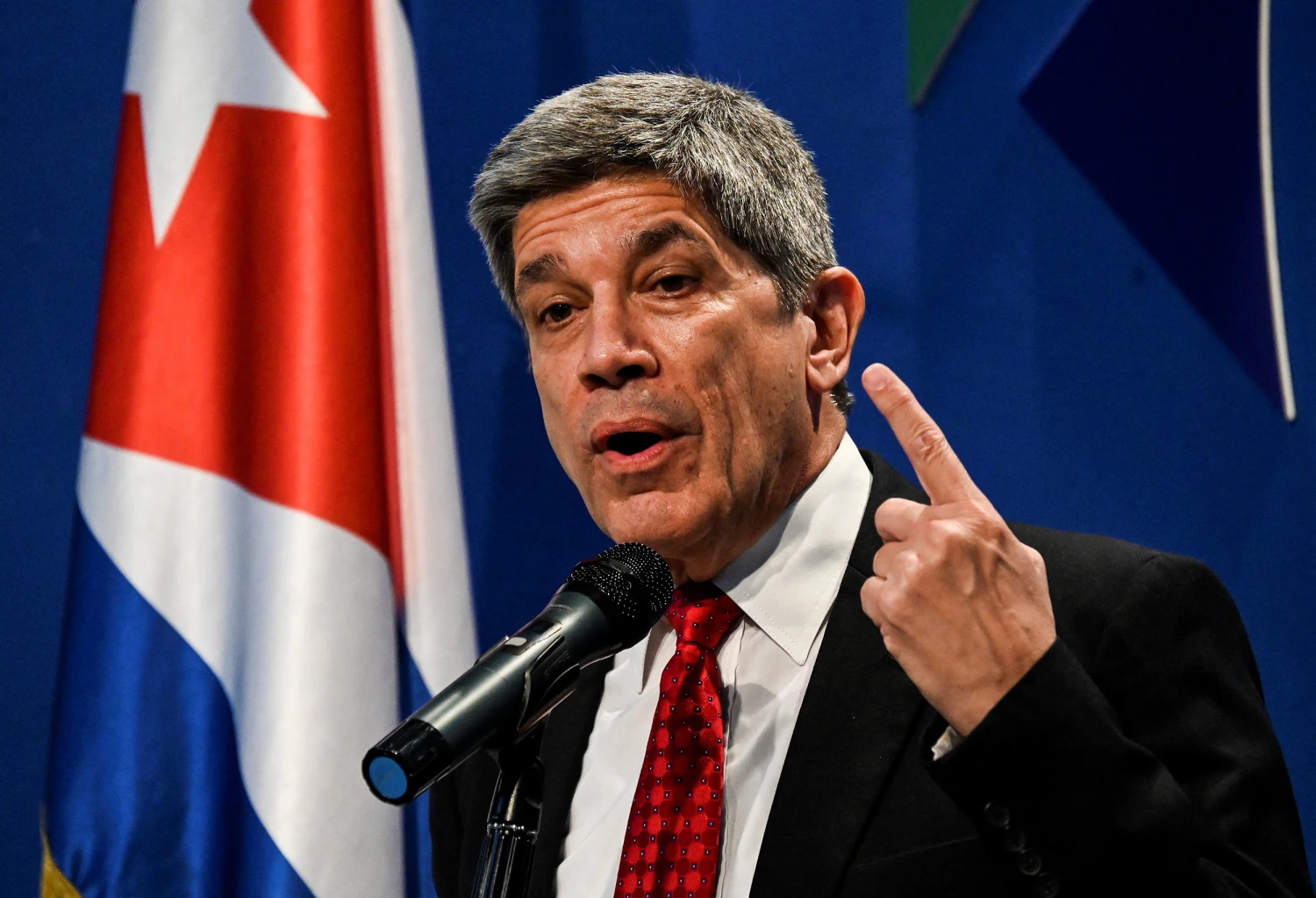
- Cuba’s deputy foreign minister, Carlos Fernández de Cossío, said the country’s military is preparing for the possibility of U.S. military aggression, while also saying an invasion is unlikely.
- Reuters reported that Cuba is facing rising tension with Washington as the Trump administration increases pressure and talks about regime change, which Havana firmly rejects.
- A top U.S. military official has said American forces are not planning an invasion of Cuba.
- Cuba’s warning comes as the island struggles with blackouts, fuel shortages and a worsening energy crisis.
What Havana is saying (Cuba says military is preparing)
Cuba’s message is blunt but careful: prepare, but do not panic. Fernández de Cossío said on Sunday that it would be “naive” not to consider the possibility of military aggression from the United States, while stressing that Cuba does not believe an invasion is probable. Reuters reported that he also said regime change is not open for discussion.
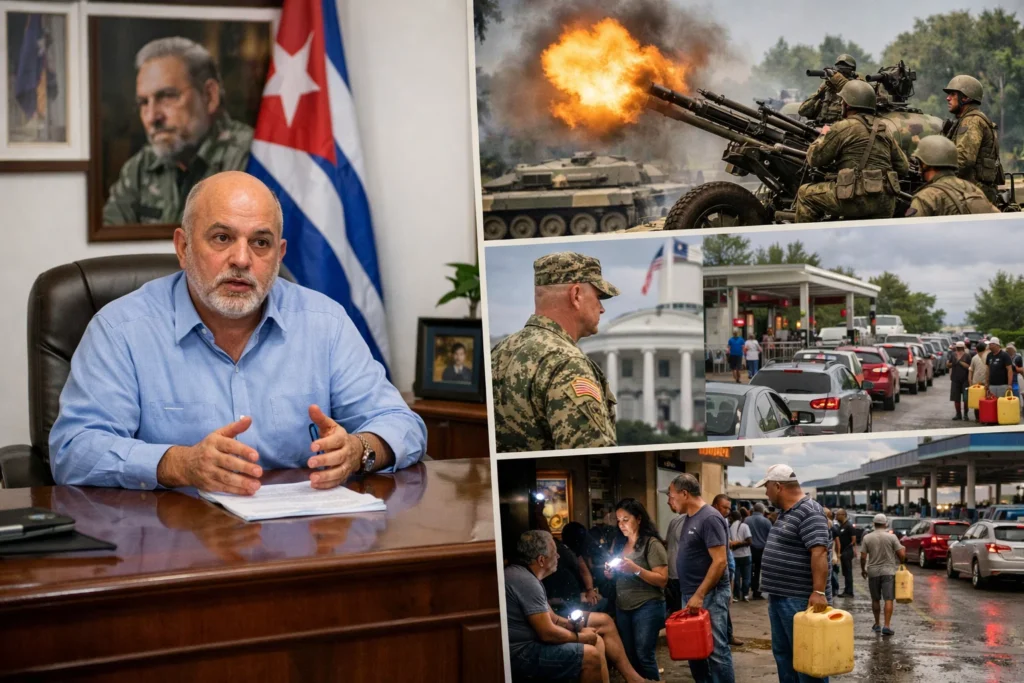
That warning lands at a sensitive moment. Cuba is dealing with a severe power crisis, and Reuters said the island recently suffered another nationwide blackout while shortages continued to strain daily life.
Why the rhetoric is rising
The latest friction follows sharper pressure from Washington. Reuters reported that President Donald Trump has intensified his rhetoric toward Cuba and that Havana believes the administration is pushing for political change on the island. Cuba’s leadership has responded by saying it is ready to defend itself and will not negotiate its system of government.
At the same time, U.S. officials have publicly denied that any invasion is being prepared. That creates a gap between the political message and the military message, which is exactly why headlines have been moving so fast.
Why this matters beyond Cuba
For readers, the larger story is not just about military language. It is about how quickly sanctions pressure, energy shortages and regime-change rhetoric can turn a diplomatic dispute into a security headline. Reuters reported that Cuba’s energy problems have been made worse by limited oil supplies, adding another layer of pressure to an already fragile economy.
That means the next developments to watch are simple: whether talks continue, whether Washington softens or hardens its line, and whether Cuba’s leadership keeps framing the crisis as a sovereignty issue. Reuters said Havana still wants dialogue, but not on the question of its political system.
Bottom line
Cuba’s deputy foreign minister is warning that the military is preparing for possible U.S. aggression, but the latest reporting also makes clear that Cuban officials do not expect an invasion to be likely. The standoff now sits at the intersection of politics, sanctions and a worsening energy crisis, which is why the situation is drawing global attention so quickly.