By TrenBuzz — Special report
Key points
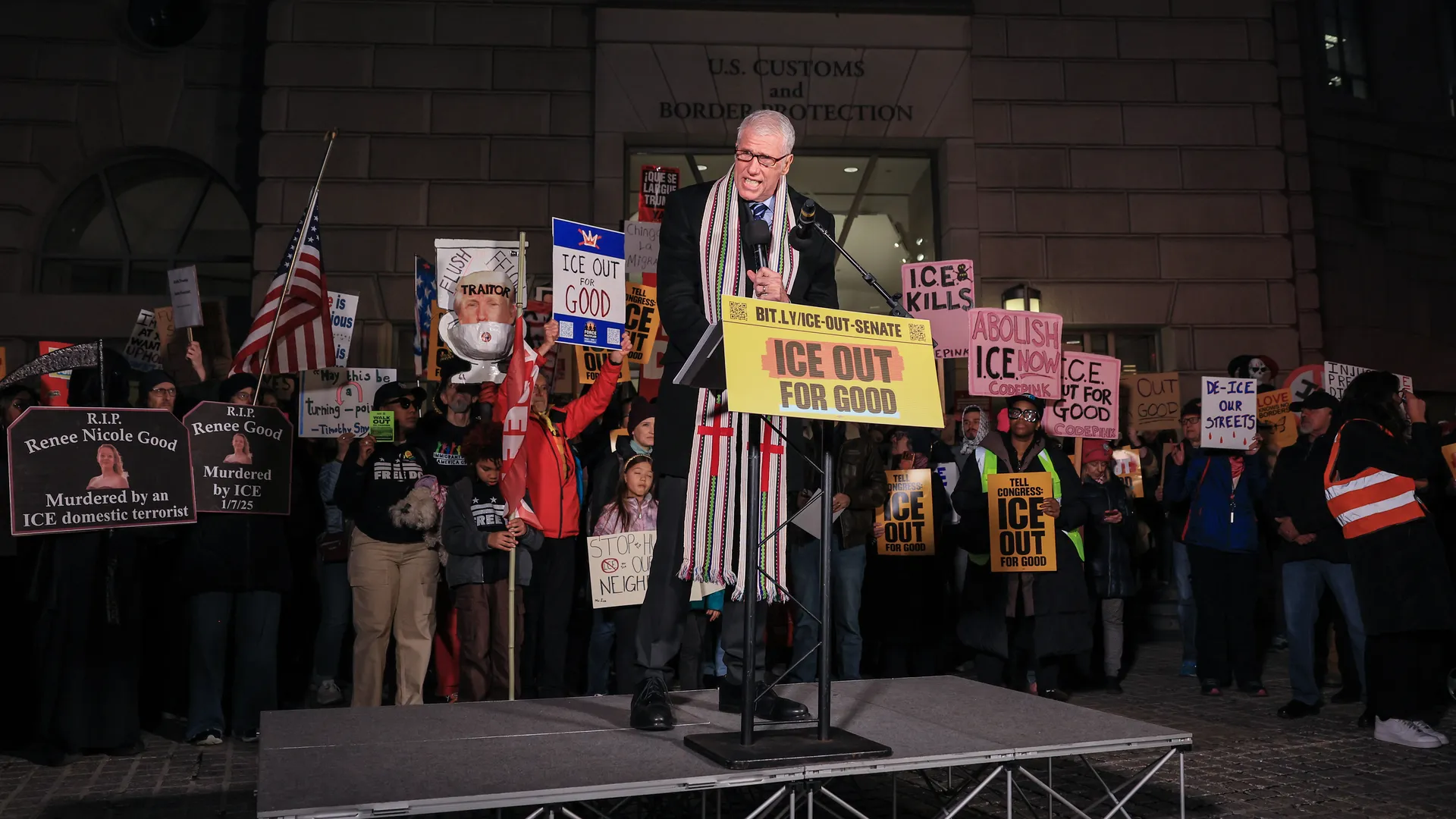
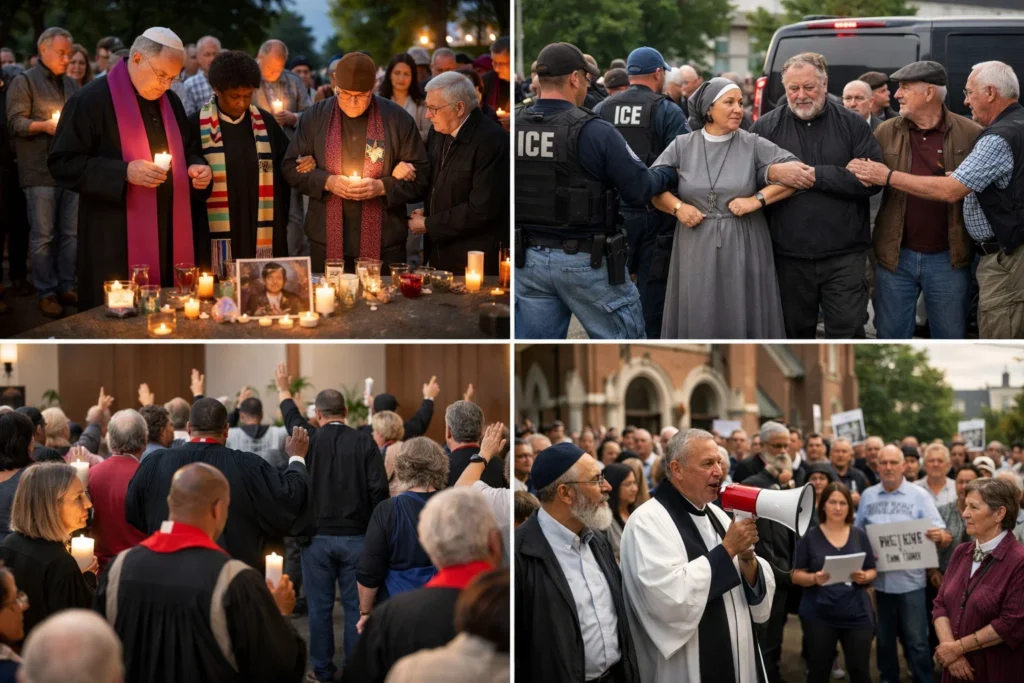
- Dozens of Christian clergy around the U.S. are saying Jesus’ call to protect the vulnerable compels them to actively resist ICE operations — organizing prayer vigils, human-shield actions and peaceful church protests.
- Their surge in activism intensified after the fatal shooting of a Minnesota resident during an ICE operation, which prompted interfaith vigils and sharp debate in religious communities about tactics and limits.
- Clergy who support resistance frame it as continuity with historic religious movements (civil-rights-era church actions, sanctuary traditions) and as a pastoral duty to shield migrants from perceived abusive enforcement.
- Opponents — including some faith leaders and federal officials — warn that certain protest tactics (interrupting worship services, blocking operations) risk legal exposure and can inflame tensions, and they call for lawful advocacy instead.
- Beyond the headlines, the debate raises practical questions for congregations: how to balance prophetic witness with public safety, how to support migrants legally and pastorally, and how to de-escalate confrontations while maintaining moral clarity.
Jesus’ teachings leave Christians no choice but to resist ICE— the story in one paragraph
A growing number of Christian clergy say the Gospels leave them no moral wiggle room: caring for strangers, welcoming the oppressed and standing with the marginalized obliges them to resist U.S. immigration enforcement when it harms families and communities. Their activism ranges from sermons and legal aid drives to nonviolent direct action — and it’s colliding with heated public debate after a series of high-profile enforcement incidents, most notably a fatal shooting in Minnesota that has become a rallying point for faith-based protest.
What clergy who resist ICE are doing — practical examples
- Human-shielding and sit-ins: Faith communities have organized nonviolent physical presence at homes, churches and community centers where ICE operations were expected, aiming to make arrests politically and morally costly.
- Prayer vigils and worship interruptions: Some protests have taken place inside or immediately outside houses of worship to call attention to pastoral concerns about enforcement tactics; these actions have produced both solidarity and controversy.
- Legal and pastoral support: Churches are also funneling resources into legal aid, Know-Your-Rights training, and sanctuary-style hospitality for families at risk of detention.
The theological case: why some clergy say resistance is a Christian duty
Three theological threads recur in sermons and statements from clergy who back active resistance:
- Preferential care for the vulnerable. Citing Jesus’ stances toward the poor and the stranger, clergy argue the Gospel places the marginalized first; when state actions harm those people, faithful resistance follows.
- Prophetic witness: Many invoke prophetic precedents — clergy who opposed slavery and segregation — arguing the church’s role is sometimes to confront unjust laws publicly, even at personal cost.
- Conscience and Christian law: Some pastors claim that when earthly laws require actions they judge immoral, conscience (grounded in Scripture) compels civil resistance — though most emphasize nonviolence and a readiness to accept legal consequences.
The counterarguments from within faith communities
Not all clergy agree. Critics raise practical and moral concerns:
- Rule of law and order in worship: Interrupting services, confronting agents at religious events, or blocking law-enforcement operations can endanger worshippers and cross legal lines; some pastors call instead for prayerful protest outside the sanctuary and lawful advocacy.
- Tactical effectiveness: Some advocates of reform caution that dramatic confrontations can backfire politically, hardening public opinion and prompting criminal charges rather than constructive change.
- Pastoral risk: Clergy must weigh the pastoral duty to keep congregations safe (especially children and elders) against the prophetic call to public witness.
Real-world consequences and legal exposure
- Legal risk for protesters: Civil-disobedience actions can lead to arrests, misdemeanor or felony charges (depending on conduct), and potential civil liability if actions impede law-enforcement in dangerous situations.
- Institutional fallout: Churches that host or condone disruptive actions may face investigations, political blowback, or internal division; some denominations are mediating internal debates about appropriate responses.
- Potential for escalation: High-emotion confrontations — especially after incidents like the Minnesota shooting — can escalate quickly; many community leaders are urging de-escalatory training and clear nonviolent protocols.
What to watch next
- Local investigations and DOJ responses: After high-profile incidents, federal prosecutors sometimes open inquiries; follow official statements for legal developments.
- Denominational guidance: Major denominations may issue guidance or policies that shape what clergy can and cannot do without jeopardizing their orders or congregational status.
- Evolving tactics: Watch whether clergy shift from disruptive tactics to institution-building strategies (legal aid, sanctuary housing, policy lobbying) if confrontational actions run into legal limits.
Quick FAQ
Is resisting ICE legal?
Nonviolent protest is protected speech, but actions that obstruct officers, trespass, or endanger others can result in arrest and prosecution. Clergy often choose tactics that make the moral point while minimizing legal risk — and they coordinate with legal advocates when they expect confrontation.
Does the Bible explicitly command resistance to government agents?
Scripture contains both commands to respect governing authorities and many narratives of prophetic resistance. Clergy reconcile those tensions differently: some emphasize obedience to law except where it requires injustice; others prioritize the prophetic call to protect life and dignity. That interpretive difference is central to the current debate.
Bottom line
The claim that “Jesus’ teachings leave Christians no choice but to resist ICE” reflects a sincere, historically grounded moral impulse among many clergy — especially after lethal or traumatic enforcement incidents. But it also forces hard trade-offs: legal exposure, pastoral responsibility, and public persuasion. The most durable impact is likely to come from church-led mixes of direct witness, legal aid, and organized political advocacy that protect migrants while keeping communities safe. How faith communities balance prophetic urgency with pragmatic safeguards will shape this movement’s influence and legitimacy in the months ahead.