Key points
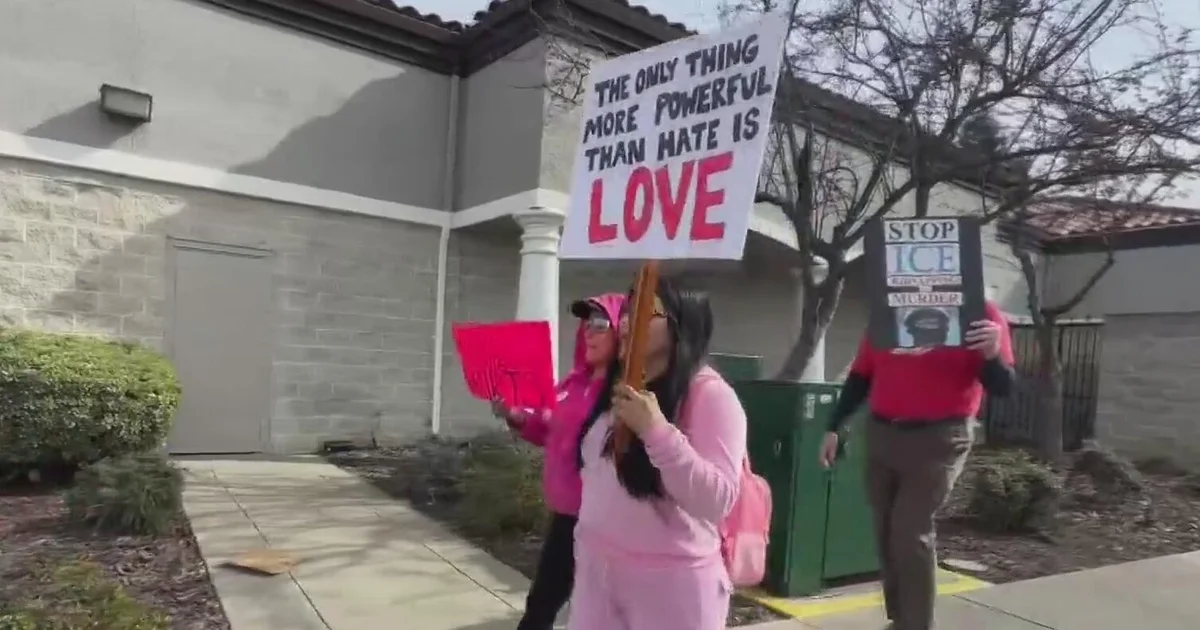
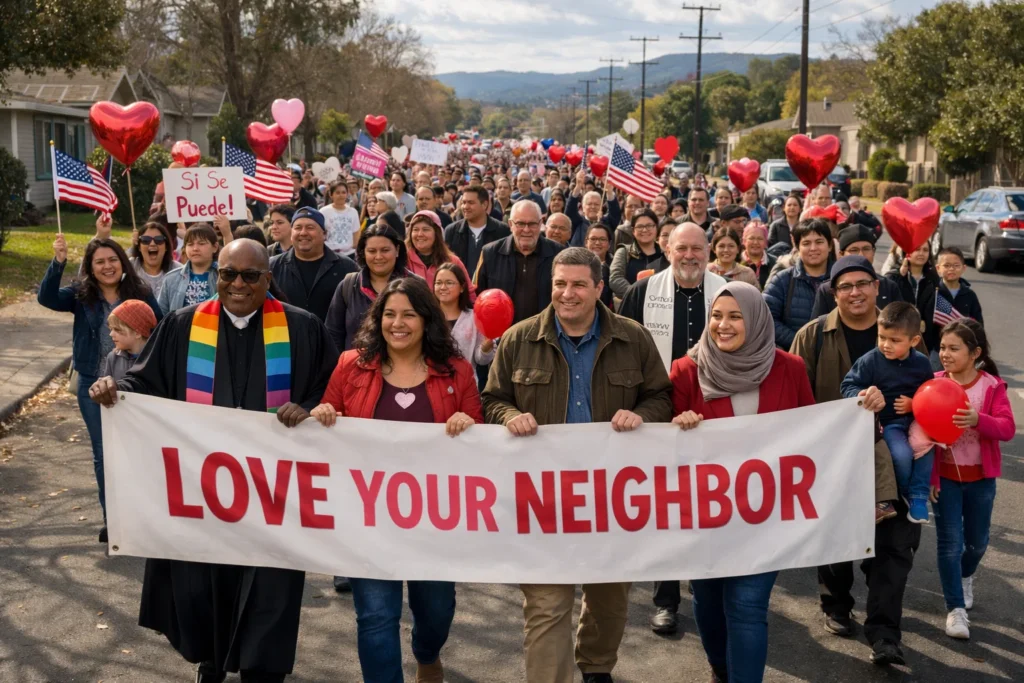
- Hundreds of residents marched through Concord, California’s Monument neighborhood on Valentine’s Day under the banner “Love Your Neighbor”, showing public support for undocumented and immigrant families.
- The demonstration was timed amid heightened concern about immigration enforcement and courthouse arrests; local organizers say the march was both a show of solidarity and a call for safety for neighbors.
- Faith leaders, elected officials and immigrant-rights groups joined the procession and urged community members to provide legal, social and emergency support to affected families.
What happened — the short version
On Valentine’s Day several hundred marchers — families, clergy, students and local activists — walked roughly a mile through the Monument neighborhood carrying signs reading “Love Your Neighbor.” Organizers from the Concord Immigrant Protection Network framed the event as a peaceful, pro-family response to recent ICE activity in the Bay Area and broader enforcement actions that have made immigrant communities feel vulnerable.
Why people turned out
- Fear of enforcement: Recent courthouse arrests and targeted operations elsewhere in the Bay Area have created anxiety that families will be separated — activists say the march aimed to counter that fear.
- Community protection: Organizers emphasized accompaniment (going with people to court), know-your-rights education, and building rapid-response networks to help immigrants who face detention or legal barriers.
- Moral message: By choosing Valentine’s Day, the rally used a simple frame — love and neighborliness — to broaden appeal and reduce stigma against immigrants. Local outlets noted the march’s family-friendly tone.
Who showed up
The crowd included interfaith clergy, volunteers from local mutual-aid groups, civic leaders and a cross-section of residents. Coverage highlights that the event wasn’t just protest-style chanting; it included speakers who offered concrete resources (legal clinics, hotline numbers) and invitations to volunteer.
What organizers asked people to do (practical steps)
If you want to help immigrant neighbors, organizers suggested these immediate, concrete actions:
- Learn and share “know-your-rights” info. Bring printed cards with hotline numbers to community centers and schools.
- Volunteer for accompaniment. Walk with people to immigration court or check-ins so they aren’t alone. (Organizers say accompaniment reduces fear and isolation.)
- Donate to legal-defense funds and rapid-response groups. Even small gifts to local nonprofits or text-to-give campaigns help pay for lawyers, bonds, and immediate needs.
- Build a neighborhood phone tree. Quick alerts help families prepare if enforcement actions occur.
- Document and report. If you witness arrests or questionable enforcement tactics, safely record facts (not interfering) and report to trusted legal-help hotlines.
(Several local groups at the Concord march provided printed resource lists — consider reaching out to the organizers for vetted contact details.)
Safety & legal notes (important)
- Don’t obstruct law enforcement. Accompaniment and peaceful witnessing are lawful; blocking officers or physically interfering can create legal risk for bystanders.
- Prioritize verified legal help. Use established rapid-response hotlines and nonprofit legal clinics rather than unvetted consultants. The AP and local outlet reporting emphasize relying on recognized groups.
How local policy and coverage are shaping the moment
Local media framed the Concord rally as part of a larger wave of community responses across the Bay Area — from courthouse vigils to neighborhood defense trainings. Coverage also underscores the interplay between media attention and municipal responses: visible, peaceful rallies can push city leaders to increase legal-aid funding or convene stakeholder meetings.
Quick Q&A — what readers ask
Q: Was the rally about open borders or about protecting neighbors?
A: Organizers and most participants described it as a community-protection and solidarity action — not a call for unrestricted borders. The messaging emphasized safety, legal support and keeping families intact.
Q: How big was the turnout?
A: Local outlets report several hundred marchers. Estimates vary by reporter, but all agree the crowd filled a visible stretch of the Monument neighborhood.
Bottom line
The Concord rally — peaceful, family-oriented and timed for Valentine’s Day — was a public signal that a community wants to protect its immigrant neighbors through practical solidarity: legal help, accompaniment, and resource networks. For readers: if you care, start with the small, verifiable steps above (learn, volunteer, donate) and connect with the groups who ran the event for vetted next steps.