Key points
- Zohran Mamdani has moved to rescind New York City’s TikTok ban on government devices, signaling a shift in digital policy priorities.
- The original restriction was tied to security concerns around TikTok and its parent company ByteDance.
- The reversal highlights growing debate in the U.S. over cybersecurity versus digital engagement and communication.
- The decision could influence other U.S. cities still weighing restrictions on TikTok usage in official settings.
A surprising reversal in New York’s digital policy
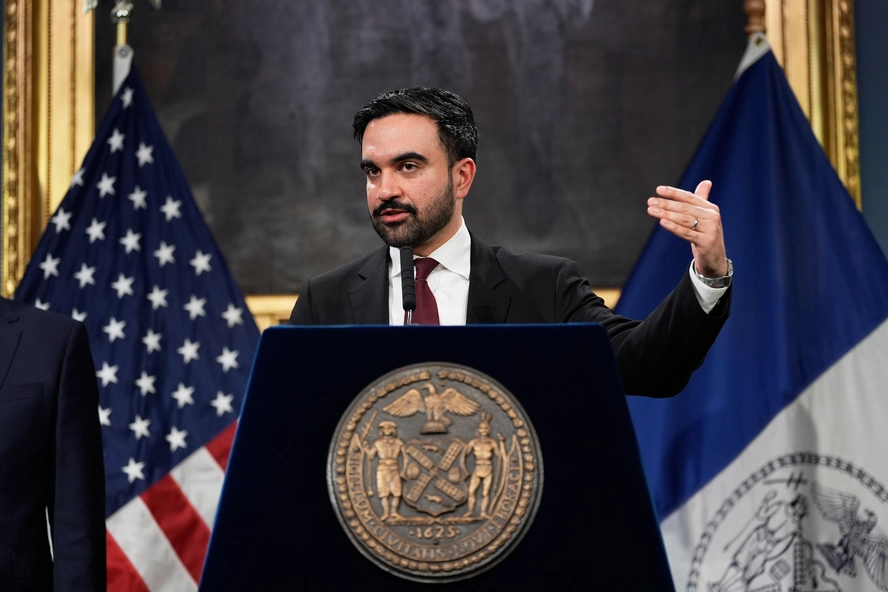
In a move that is already stirring debate across the United States, Zohran Mamdani is rescinding New York City’s ban on TikTok from government devices. The decision marks a notable pivot from earlier policies that restricted the app over concerns tied to data security and foreign ownership.
The original ban was part of a broader trend across U.S. federal and state institutions, where officials raised alarms about how user data could potentially be accessed by foreign entities through ByteDance, the parent company of TikTok. New York City had joined several other jurisdictions in limiting the app’s presence on official devices.
Why reverse the TikTok ban now?
Mamdani’s decision appears to reflect a shifting balance between risk management and practical communication needs. TikTok has evolved into one of the most influential platforms for public outreach, especially among younger audiences. For a city as large and diverse as New York City, the ability to communicate effectively across demographics is a significant policy consideration.
Supporters of the move argue that government agencies cannot afford to ignore platforms where millions of residents actively consume information. In emergency situations, public health campaigns or civic updates, digital reach can directly affect outcomes.
Critics, however, warn that rescinding the ban may expose government systems to cybersecurity vulnerabilities. The broader U.S. debate over TikTok has not disappeared, and federal lawmakers continue to explore stricter regulations or even nationwide restrictions.
The national context: security vs. accessibility
This decision does not exist in isolation. Across the United States, policymakers remain divided on how to handle TikTok. Some states maintain strict bans on government devices, while others are reassessing policies as the platform’s influence grows.
The core issue is strategic: should governments prioritize maximum cybersecurity caution, or adopt a more flexible approach that balances risk with communication effectiveness?
Mamdani’s move suggests a third path—controlled usage rather than outright prohibition. That approach may involve tighter internal protocols, restricted access levels, or monitored use rather than a blanket ban.
What this means for residents and officials
For everyday residents, the change could translate into more direct engagement from city departments on TikTok. Expect increased use of short-form video for:
- Public safety announcements
- Transit updates
- Community outreach campaigns
- Youth engagement initiatives
For policymakers, the decision raises a critical question: can local governments safely operate on global platforms without compromising data integrity?
The bigger picture
This policy shift underscores a broader transformation in governance. Digital platforms are no longer optional communication tools—they are central infrastructure for public engagement.
By rescinding the TikTok ban, Zohran Mamdani is effectively betting that the benefits of digital reach can be managed alongside security risks, rather than avoided entirely.
Whether that calculation proves correct will depend on how New York City implements safeguards—and how the national conversation around TikTok evolves in the months ahead.
TrenBuzz question: Should governments use platforms like TikTok for outreach, or avoid them entirely due to security risks?
(Mamdani rescinds New York City government’s TikTok ban)