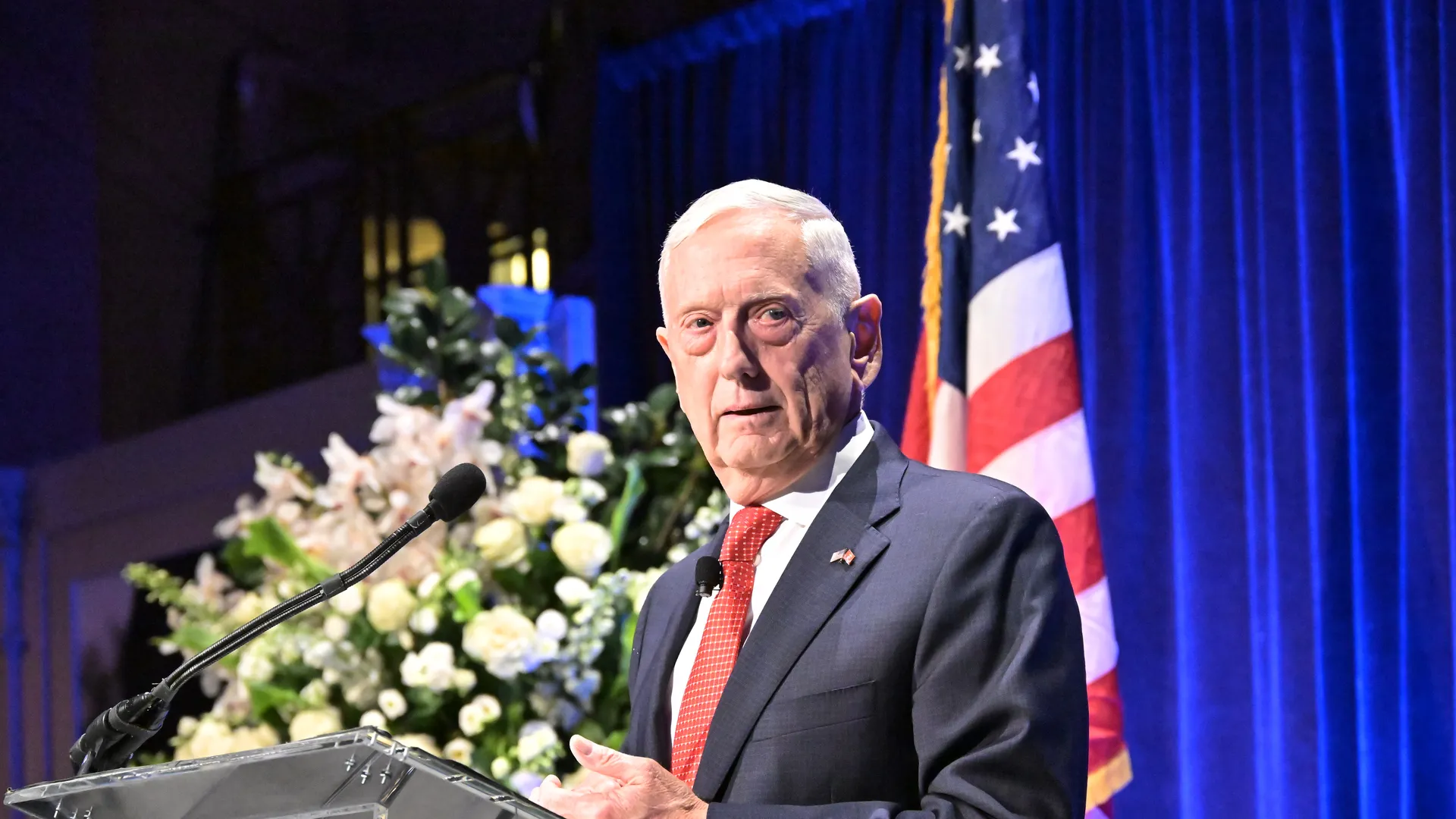
Key points
- Former Defense Secretary James Mattis said the U.S. has “few good options” in the Iran crisis and warned that ending the fight too soon could hand the Strait of Hormuz to Tehran.
- Speaking at CERAWeek in Houston, Mattis argued that protecting commercial shipping in the Gulf is strategically difficult and depends on allied coordination.
- His comments landed as the Iran conflict continues to shake energy markets, with shipping risk and oil volatility still dominating headlines.
Mattis’ warning lands with weight
Former Defense Secretary James Mattis is not known for theatrical language, which is why his latest assessment drew attention. At CERAWeek, he said the U.S. is in “a tough spot” and that he could not identify many good options for Iran, especially with ships carrying Marines heading toward the Gulf.
The core of his warning is blunt: Iran may be weakened, but it is still positioned to influence the Strait of Hormuz, the narrow waterway that carries a huge share of the world’s oil and LNG traffic. Mattis said regime change efforts have repeatedly failed and that any durable solution would require close work with allies, not just military pressure.
Why the Strait of Hormuz keeps coming up
Mattis’ remarks echo a broader problem that has defined the crisis. Analysts say the U.S. has limited control over the strait without risking escalation, and Tehran still has the ability to threaten shipping even after battlefield losses. S&P Global reported that Mattis argued Iran can still exert dominance over the route, while Reuters has repeatedly described the waterway as a key global energy chokepoint.
That is why his comments matter beyond Washington. If shipping remains at risk, oil prices, insurance costs and freight rates can stay elevated, which then feeds into consumer prices and the wider economy. Reuters and other outlets have tracked exactly that market reaction throughout the conflict.
The political message behind the military message
Mattis’ assessment is also a reminder that military power does not automatically produce political control. Axios reported that he criticized the administration’s handling of Iran, while Brookings’ Suzanne Maloney said regime-change strategies have largely failed. That combination of views suggests a broader warning: tactical gains do not necessarily add up to a workable endgame.
For readers, the takeaway is simple. The U.S. may have more firepower, but it does not have a painless exit. The harder question is not whether Washington can strike, but whether it can secure the region afterward without widening the war.
What to watch next
Watch whether the U.S. leans harder on allies for maritime support, whether oil markets calm or stay stressed, and whether Mattis’ warning becomes a talking point inside Congress. The former Pentagon chief is essentially arguing that the U.S. needs a coalition strategy, not a solo one.
Reader takeaway
Mattis delivers harsh Iran assessment : Mattis’ message is not optimistic, but it is clear: Iran is not a problem that can be solved quickly, and the Strait of Hormuz is the pressure point that could determine whether the crisis stays contained or becomes much worse.