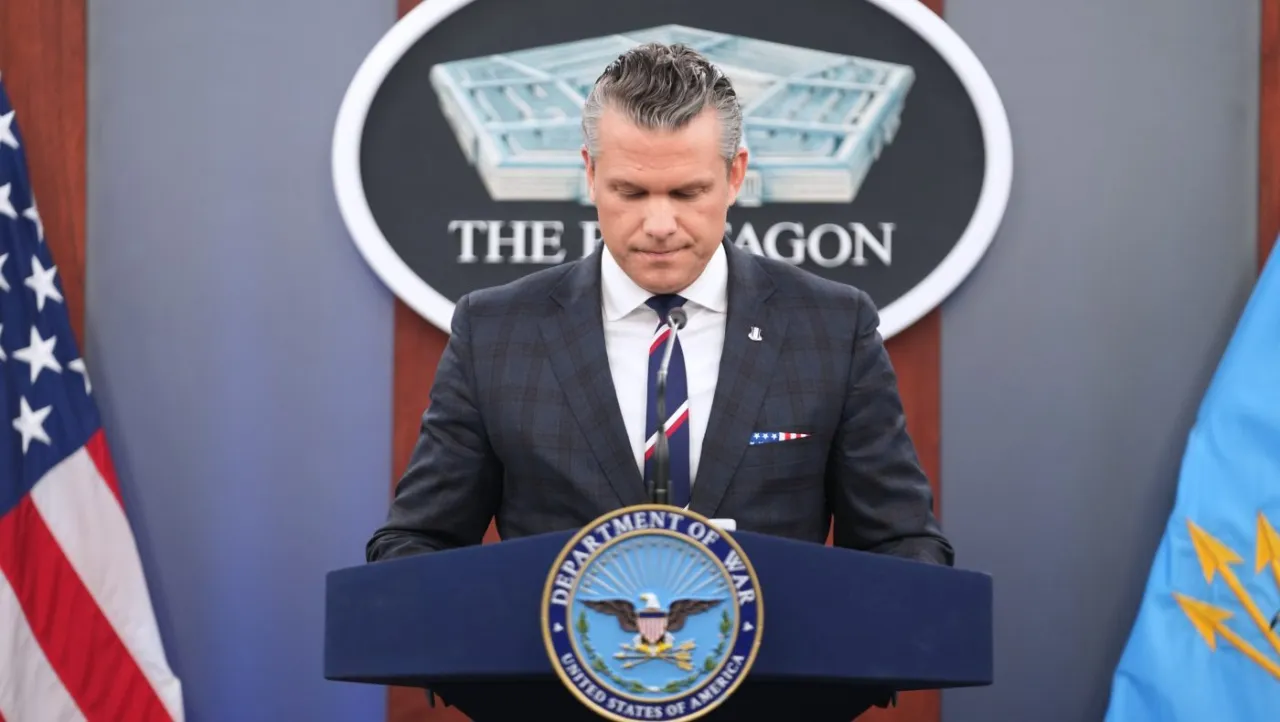
Key Points: Pentagon Warning
- Four separate “Pentagon warnings” have made headlines in about three weeks, and they are aimed at different audiences.
- A viral claim says the Pentagon warned of a 90-day blackout. No agency has issued a blackout warning, and no date has been given.
- On October 20, Defense Secretary Pete Hegseth warned staff against betting on military operations using inside information.
- On November 10, officials reportedly told reporters they would be “physically removed” if they “get out of line.”
- The Pentagon also urged some NATO allies to tone down public warnings about Russia, according to a report.
What Is the Pentagon Warning Everyone Is Searching For?
Searches for “Pentagon warning” are up because several stories overlap. Some are real, some are misread, and one has turned into a viral scare.
The key question to ask is simple: who is the warning for? A message to base commanders is not the same as a message to the public.
Here are the four, sorted by audience.
Warning 1: The 90-Day Power Plan for Bases
This is the one fueling social media panic. Reports say the Pentagon wants major bases to be able to run for 90 days without the civilian power grid.
The plan is tied to a program called FORTRESS America, set up on September 30. Its name stands for Federal Operations for Resilience, Troop Resources, Energy, Supply, and Survivability.
Nothing in the reporting asks households to do anything, and a fact-check roundup found no agency warning of a blackout or any date for one.
Why the Number Is Disputed
The 90-day figure came from Pentagon documents that have not been made public. One review notes the Pentagon’s own October 29 account mentioned 30 days instead.
So the exact number is unclear. What is clear is the goal: military bases should not depend on civilian utilities in a crisis.
A defense analyst compared the effort to Cold War-era stockpiles of minerals, fuel, and munitions.
Warning 2: Hegseth’s Betting Memo
On October 20, Hegseth sent a memo to senior leaders and defense agencies. It bars personnel from using nonpublic information, classified or not, to make financial trades.
The ban covers prediction markets like Polymarket and Kalshi, as well as traditional betting sites. Violators could face discipline, criminal charges under the military justice code, or federal prosecution.
The memo followed reports of alleged insider betting tied to the Venezuela operation.
Warning 3: The Press Room Threat
On Tuesday, before Hegseth’s briefing, two officials reportedly told reporters they would be “physically removed” if they “get out of line.” Journalists who were present described the exchange.
Press groups called it unusual. The Pentagon has not said much publicly about why the warning was given.
It came on the same day the House blocked the effort to impeach Hegseth.
Warning 4: The Message to NATO Allies
Pentagon officials, including policy chief Elbridge Colby, urged several allies to tone down public statements about Russia. The countries named included Lithuania, Latvia, and Estonia.
The argument was that some rhetoric could undermine security. A report said Colby advised a Baltic official against “poking” Russia.
It also noted that it could not tell whether other governments received the same message, and it came amid suspected Russian sabotage in Europe.
The Angle Few People Discuss: Sort Warnings by Audience
Here is a simple tool for readers. When you see a headline with the word “warning,” ask three quick questions.
First, who received it: the public, staff, reporters, or allies? Second, is it a threat, a rule, or a plan? Third, did an official source say it on the record?
Run those questions on this week’s stories. Only the first one touches civilians, and even it describes a military planning target, not a public alert.
Why These Stories Feel Linked
Taken together, they show a department that is busy. The Iran war has raised worries about drones and attacks on bases, and a recent inspector general report said strikes damaged hundreds of buildings at U.S. sites.
That helps explain why planners are hardening bases and stockpiling supplies. It also helps explain why leaders are cracking down on leaks and bets.
None of this proves an attack on the grid is coming.
How to Spot a Viral Pentagon Claim
Check whether the claim names a document, a date, and an official. If a post only says “the Pentagon warned,” be careful.
Look at the Pentagon’s own news pages and the Energy Department’s newsroom. On November 12, neither had announced a blackout, according to one review.
If you want to prepare for outages anyway, standard advice from local emergency agencies is a good place to start.
A Note on Research
Some readers asked for non-public or classified information. I can only use public reports and official statements, so I cannot provide that.
The documents behind the 90-day figure have not been released, which is why exact details are still uncertain.
What to Watch Next
Watch for any official Pentagon statement on FORTRESS America and its real timeline. Also watch for reaction from press groups and any follow-up on the betting memo.
For now, the best summary is simple. There is a lot of Pentagon news this month, but no official warning of a nationwide blackout.