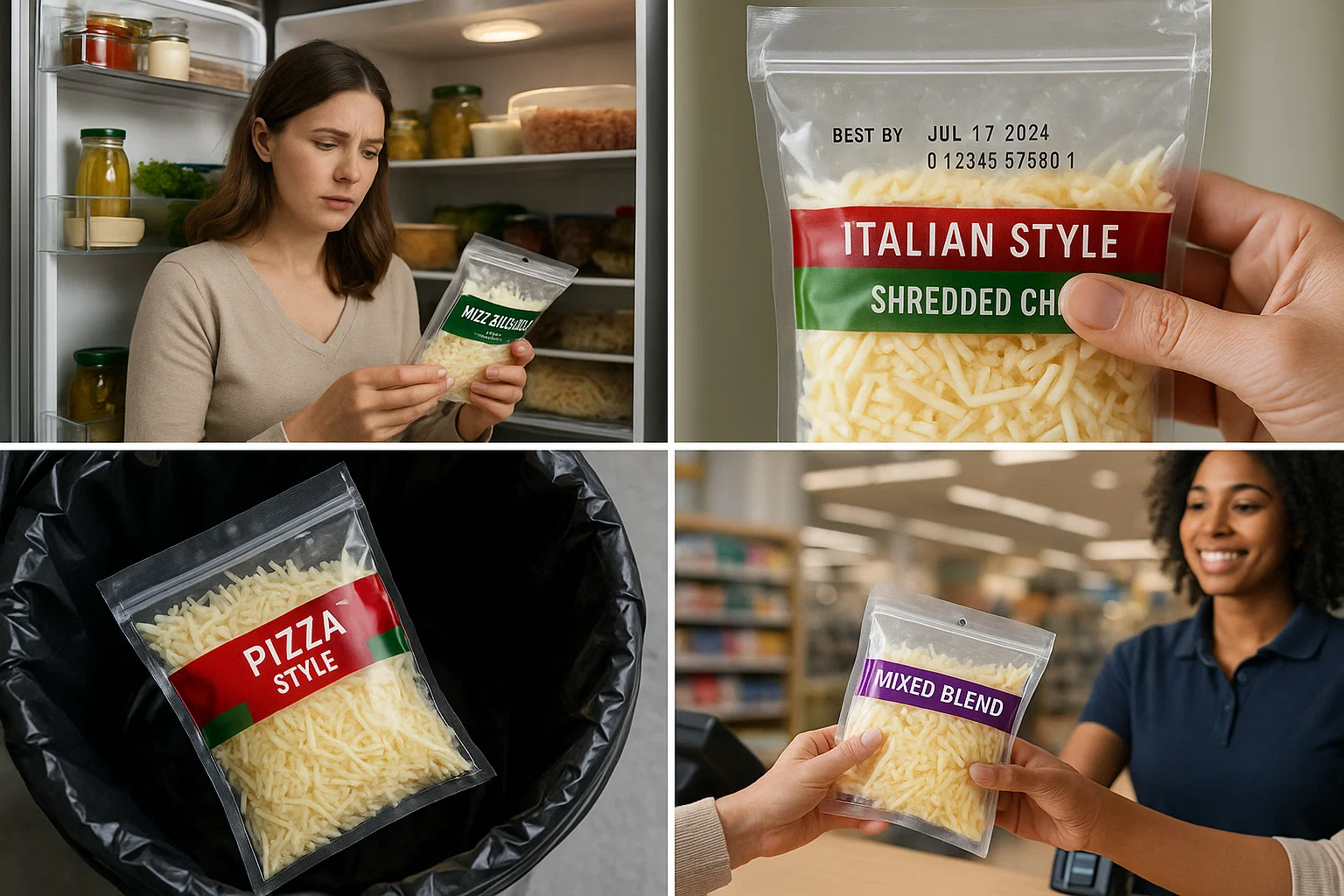
Shredded Cheese Recalled: A large, multi-brand shredded cheese recall has swept major retailers this week after inspections found possible contamination with metal fragments.
Retailers affected include major chains where the private-label cheeses were stocked.
Separately, health regulators also flagged other cheese recalls this month for Listeria concerns, so it’s a wide-reaching moment for shoppers to double-check refrigerators.
Quick summary — what happened
More than a million bags of shredded cheese produced by a single supplier were pulled after potential metal contamination was detected.
The recall covers many SKUs and package sizes sold under private labels at national retailers.
Public-health agencies classified this recall as a Class II event, meaning the risk of severe injury is low but ingestion could cause temporary harm.
Because many households keep shredded cheese on hand, the recall footprint is large geographically and numerically.
Which products to look for (how to check)
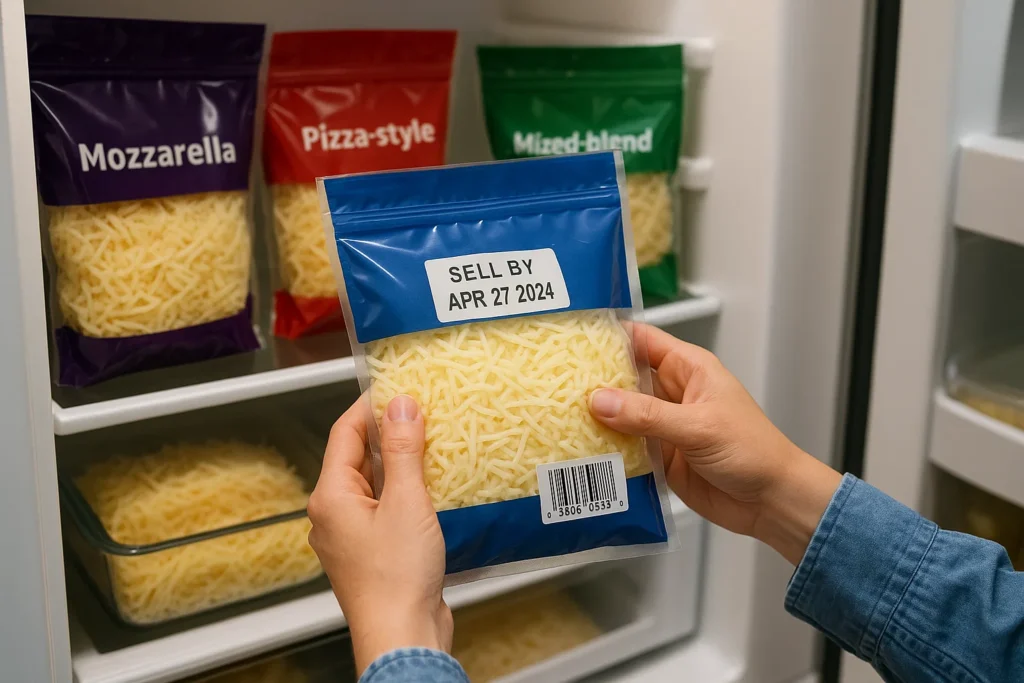
Open your fridge and look for shredded mozzarella, Italian-style, pizza-style, and mixed-blend packages from store brands.
Check UPC codes and sell-by or best-by dates printed on the bag — the FDA and retailers published the exact list of affected SKUs.
If you find a match, do not eat the product. Throw it away in a sealed bag or return it to the store for a refund per the recall instructions.
Store customer-service desks have handled refunds and exchanges in prior large recalls — expect similar processes now.
Why metal fragments are dangerous (plain language)
Metal shavings can cause tooth damage, mouth or throat cuts, and in rare cases internal injury if swallowed.
Even small fragments pose choking and laceration risks, which is why regulators take contamination seriously even when the chance of severe illness is low.
If you or someone in your household swallowed part of the shredded cheese and develops pain, bleeding, or trouble breathing, seek medical attention immediately.
Emergency care will evaluate for perforation or foreign-body complications and treat accordingly.
Other cheese recalls this month — listeria risk
Separate from the metal-fragment recall, at least one cheese producer issued a Listeria monocytogenes recall after positive testing in product samples.
Listeria infections are especially dangerous for pregnant people, infants, older adults, and people with weakened immune systems.
That means consumers should be extra cautious with soft cheeses, deli-style products, and any recalled items — keep them away from vulnerable household members.
When in doubt, discard recalled items instead of taking a chance.
How stores and suppliers are responding
Retailers named in the recall — including several national chains — say they are removing affected inventory and offering refunds.
Supply-chain teams and store managers typically quarantine on-hand stock and update point-of-sale systems to accept returns without receipts.
Suppliers are investigating how the metal entered the production stream and working with regulators on corrective actions.
These investigations determine whether the issue was a single equipment failure, supplier contamination, or a broader process lapse.
Practical steps for consumers (do this now)
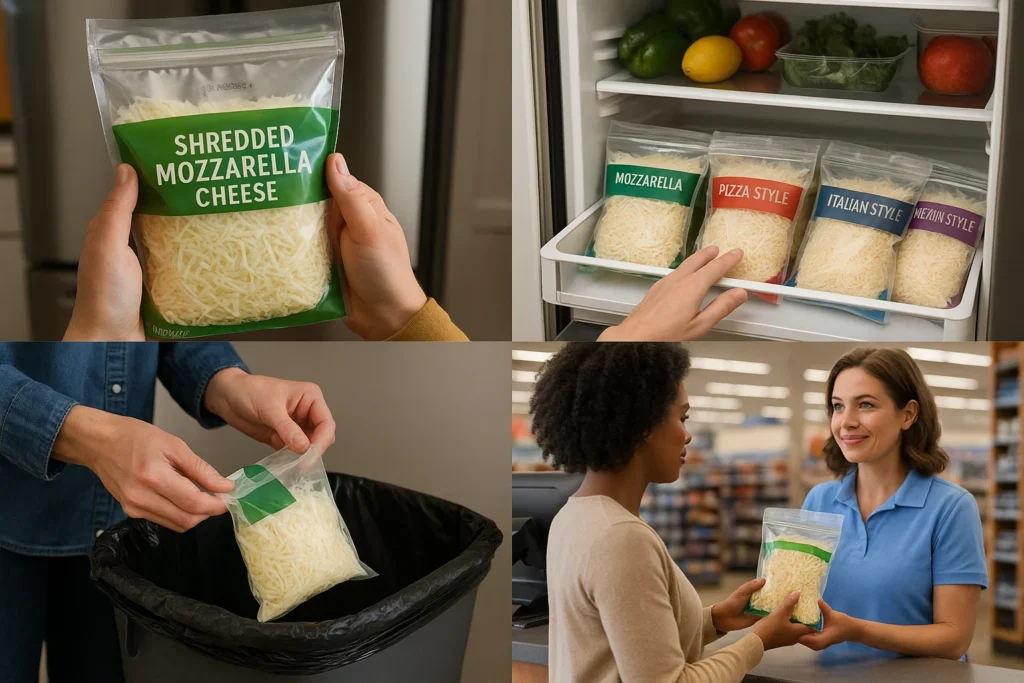
- Check your fridge for shredded cheese brands and UPC/batch codes that match the recall lists.
- Do not taste or give recalled cheese to anyone; either discard it safely in a sealed bag or return it to the retailer for a refund.
- If you suspect ingestion and have symptoms, seek medical help right away and tell clinicians about possible foreign-body ingestion.
Keep children and pets away from discarded packages and wash hands and surfaces that touched the product to avoid cross-contamination.
If you’re pregnant or immunocompromised, err on the side of caution — throw it out and consult your healthcare provider.
What parents should know
Shredded cheese is commonly fed to children and used in quick meals, which increases the chance households have recalled items.
Parents should perform a rapid check of fridge contents and examine any cheese used in lunchboxes or meal prepping.
If a child swallowed something and shows signs of distress — drooling, refusal to eat, coughing, or severe pain — treat it as an emergency.
Pediatric care providers can assess choking risk and potential internal injury from sharp fragments.
Will more products be added to the recall?
Regulators and suppliers often expand recall lists as tracebacks and additional testing complete.
That means checking official recall updates regularly until authorities close the investigation.
Sign up for recall alerts from your local public-health department or the FDA to get timely notices if further SKUs or brands are affected.
How this affects food businesses and catering
Caterers, schools, and restaurants should audit on-hand inventory immediately and substitute unaffected cheese until the situation stabilizes.
Commercial kitchens must document discarded product and update suppliers to demonstrate due diligence in safety audits.
Catering contracts sometimes include recall clauses — communicate with clients promptly if menu changes are required due to product safety issues.
Consumer rights and refunds
Retailers typically honor full refunds for recalled food even without receipts; ask customer service for store-specific instructions.
Keep packaging where possible — photos of UPC and sell-by dates help speed refund processing and support tracebacks.
If a retailer resists refunding a confirmed recalled product, escalate to the chain’s corporate customer service or file a complaint with your state’s consumer protection office.
Final take — stay calm, check your fridge, and act
A shredded cheese recalled event on this scale is inconvenient but manageable if consumers act quickly and follow recall guidance.
Discard or return matching packages, heed medical advice if anyone swallowed fragments, and monitor official updates as investigators work.
Did you find recalled shredded cheese in your fridge?
Sources & verification: Reporting based on FDA recall notices and contemporary media coverage of the shredded-cheese recall and related cheese recalls in late November 2025. Key reporting used by this article included FDA recall statements and national food-news outlets tracking the recall.
Disclaimer: This article is informational and summarises recall notices and media reporting available as of November 30, 2025.
For definitive product lists, UPCs, and refund instructions, consult official recall notices from the FDA or your retailer.