Published by TrenBuzz.com | June 22, 2026
Key Points at a Glance
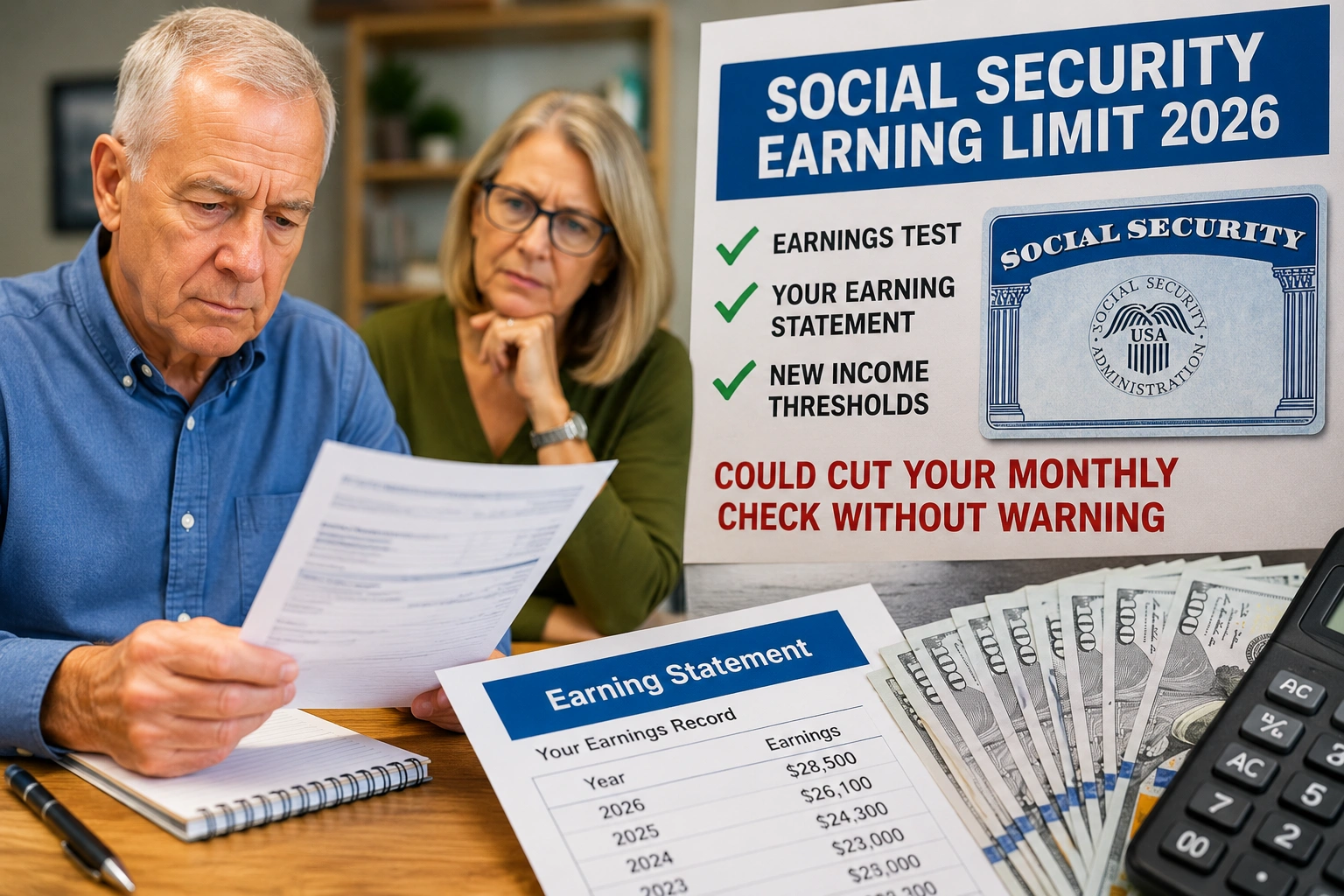
- The Social Security earning limit 2026 for those under full retirement age is $24,480 per year, up from $23,400 in 2025.
- For every $2 earned above $24,480, the SSA withholds $1 from Social Security benefits.
- Those reaching full retirement age in 2026 face a higher limit of $65,160, with $1 withheld for every $3 earned above it.
- Once you reach full retirement age, there is no earning limit and benefits are never reduced due to work income.
- Benefits withheld under the Social Security earning test are not permanently lost. The SSA recalculates and repays them once you reach full retirement age.
- Your Social Security earning statement at SSA.gov shows your full earnings history and helps you plan before you file.
What Is the Social Security Earning Limit 2026 and Who Does It Apply To
The Social Security earning limit 2026 applies to anyone collecting benefits before reaching full retirement age, which is 67 for people born in 1960 or later. If you are still working and earning wages, the SSA will reduce your monthly check if your income crosses the threshold.
How the Social Security Earning Test Actually Works
If you are under full retirement age for the entire year, the SSA deducts $1 from your benefit payments for every $2 you earn above the annual limit. For 2026, that limit is $24,480.
The SSA only counts wages, self-employment income, bonuses, commissions, and vacation pay toward the Social Security earning test. Pensions, annuities, rental income, and investment returns do not count.
The Higher Threshold for Those Nearing Full Retirement Age
Individuals who reach full retirement age in 2026 have a higher earnings limit of $65,160. For income over that threshold, the SSA will deduct $1 in benefits for every $3 in earnings for the months prior to their birthday.
Once your birthday month arrives, the earning limit disappears completely regardless of how much you earn.
Check Your Social Security Earning Statement Before Filing
Your Social Security earning statement is your most important planning tool. You can access it anytime at SSA.gov through your My Social Security account. It shows your full work history, projected benefits at different ages, and any errors that could reduce your payout.
Many people file too early without reviewing their statement, then get surprised by earning test reductions that could have been avoided with better timing.
The Money Is Not Gone Forever
If you have benefits withheld due to exceeding the earnings-test limit, that money will be paid back to you. Once you reach full retirement age, the SSA will recalculate your monthly benefits and start sending you larger monthly checks.
The increase is gradual and spread across future payments, not delivered as a lump sum. For lower-income retirees, waiting to file until full retirement age is almost always the smarter strategy.
🔗 [Also Read: “Social Security Trust Fund Depletion: What the 2032 Warning Means for Your Retirement” | TrenBuzz.com]
🔗 [“Social Security May 27 Payment: Who Gets Paid and When” | TrenBuzz.com]