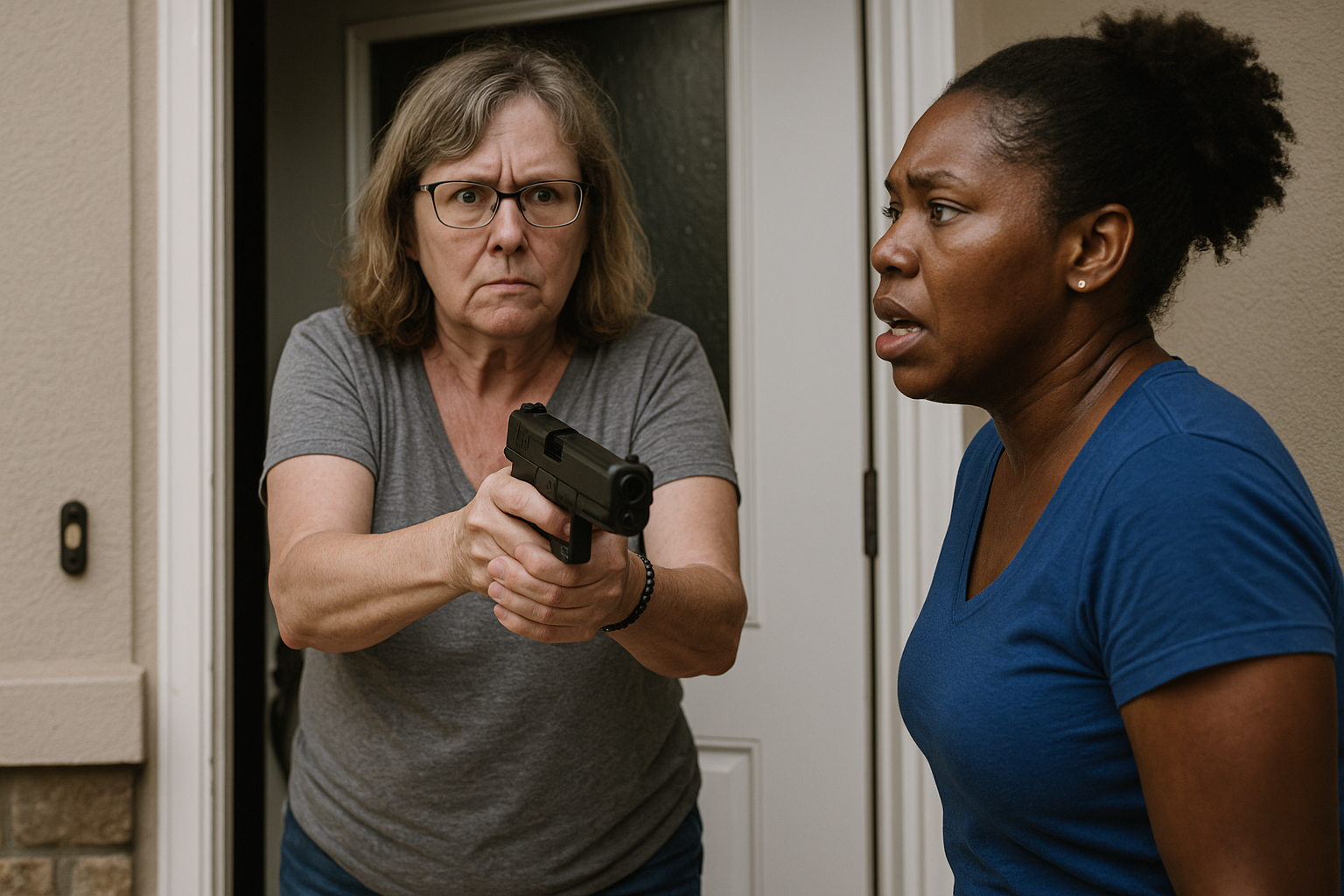
The Perfect Neighbor: The Perfect Neighbor is a new Netflix documentary (streaming Oct 17, 2025) that reconstructs the deadly 2023 neighborhood confrontation in Ocala, Florida — the shooting of Ajike “AJ” Owens by her neighbor, Susan Lorincz. The film uses police bodycam, surveillance video and interviews to probe how a years-long dispute escalated into a fatal encounter and to examine the role of Florida’s “stand your ground” environment.
TL;DR — the five things to know now
- The Perfect Neighbor premiered at Sundance and is now streaming on Netflix starting Oct 17, 2025.
- The doc centers on Ajike “AJ” Owens — a 35-year-old Black mother of four — who was shot and killed by neighbor Susan Lorincz in June 2023.
- Lorincz claimed self-defense; she was later convicted of manslaughter and sentenced to 25 years after trial. The Perfect Neighbor assembles bodycam and neighborhood footage to tell the story.
- The film is directed by Geeta Gandbhir and was acquired by Netflix after festival play; it explicitly interrogates the social and legal context (fear, race, and “stand your ground” laws).
- If you plan to watch: the documentary is available on Netflix (see official title page) and runs roughly 90–100 minutes; trigger warning — it contains graphic material and police footage.
What is The Perfect Neighbor and who made it?
The Perfect Neighbor is a 2025 documentary directed by Emmy winner Geeta Gandbhir, produced by Message Pictures and distributed by Netflix after screening at Sundance and SXSW. The film reconstructs the high-profile neighborhood dispute that ended when Susan Lorincz shot Ajike Owens at Lorincz’s door in June 2023. The documentary’s creative team includes producers who worked with Gandbhir on forensic, archival-heavy projects and focuses on bodycam footage and first-hand testimony.
Why the title? The film’s name plays on the idea of appearances — a neighbor who publicly portrayed herself as polite and law-abiding versus the private escalation that led to tragedy. The documentary uses that tension to ask how communities fail to de-escalate conflict.
The incident in plain terms: what the reporting shows
According to court records and investigative reporting, tensions between Lorincz and Owens had been ongoing for months and involved complaints, heated words, and neighbors’ interference. On June 2, 2023, an argument reportedly began after a roller skate or a thrown object wounded or damaged a child’s property, escalating into a doorstep confrontation. Lorincz shot Owens through a locked door; Owens died at the scene. Investigators later recovered surveillance and bodycam footage that the documentary makes central to its narrative.
Those same sources describe how Lorincz initially avoided immediate arrest due to complex legal decisions tied to “stand your ground” reasoning; later she was charged, tried, convicted of manslaughter and sentenced to a multi-decade term. The case became a lightning rod in local and national debates over race, gun laws and neighborhood safety.
Who was Ajike “AJ” Owens?
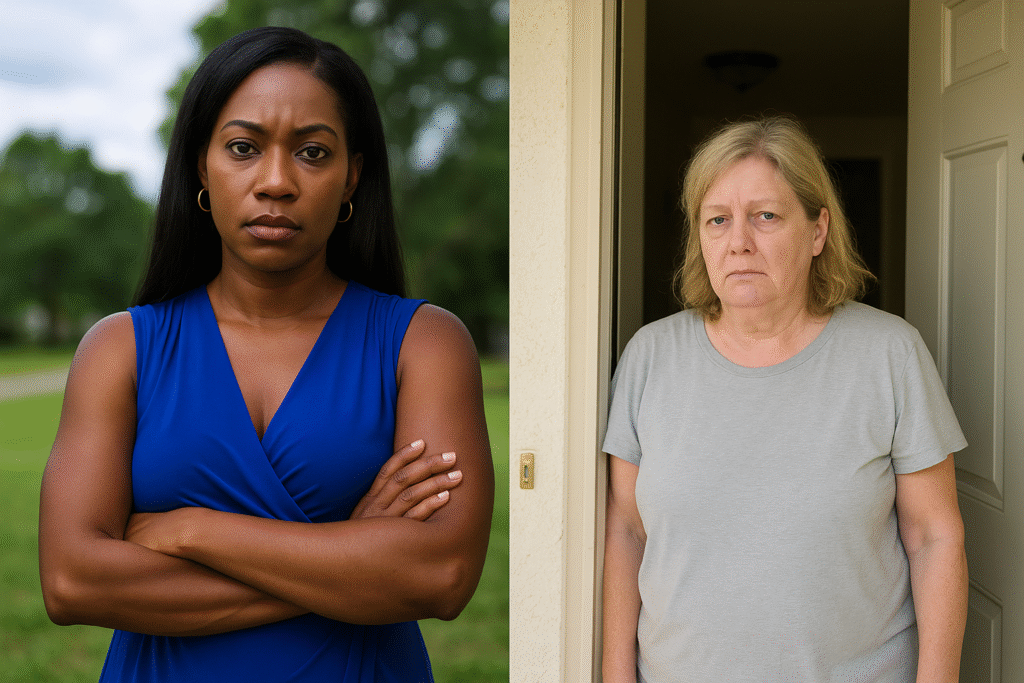
Ajike Owens — often called AJ — was a 35-year-old single mother with four children. The documentary and news coverage present Owens as a beloved member of her family and community whose life and parenting are memorialized by relatives who appear in the film. Her family authorized the documentary’s use of police evidence to make sure the public could see the events clearly and to challenge narratives that minimized the shooting. The Perfect Neighbor aims to humanize Owens, focusing on her life rather than sensationalizing violence.
Who is Susan Lorincz — and what did the trial decide?
Susan Lorincz was Owens’ neighbor. Reporting shows Lorincz had repeatedly complained about occupancy, alleged trespassing and noise, and at times used racial slurs toward children in the neighborhood, according to prosecutors and witnesses cited in news accounts. At trial, Lorincz claimed she fired because she feared for her life; the jury, after hearing evidence and viewing footage, found her guilty of manslaughter. She was sentenced to 25 years in prison. The documentary includes interviews and archival material showing both sides of the conflict.
Because the case involved complex legal arguments and bodycam evidence, the film foregrounds law-enforcement procedures, forensic timelines and how prosecutors countered the self-defense claim in court.
Why journalists and viewers disagree about “stand your ground” and context
The Perfect Neighbor foregrounds how Florida’s self-defense legal environment — and local law enforcement’s initial handling of the incident — complicated public understanding. Documentary filmmakers and commentators argue the law can sometimes produce delayed arrests or uneven investigative steps in high-emotion shootings. Critics say this dynamic disproportionately affects Black victims and families; supporters of self-defense statutes argue for individual protection rights. The film situates the Owens case inside that national debate.
Film craft: how the documentary tells the story
Gandbhir’s documentary style pairs bodycam and surveillance footage with neighborhood interviews, courtroom audio and family testimony. Reviewers praise the film’s careful editing and ethical attention to victims’ dignity while also noting its clear point of view: the film is not neutral in the sense of balance for balance’s sake — it is an investigative piece built to examine systemic problems and to center the family who lost a loved one. Expect rigorous reporting, but also emotional testimony.
Social and legal fallout: lawsuits, activism and the Owens family
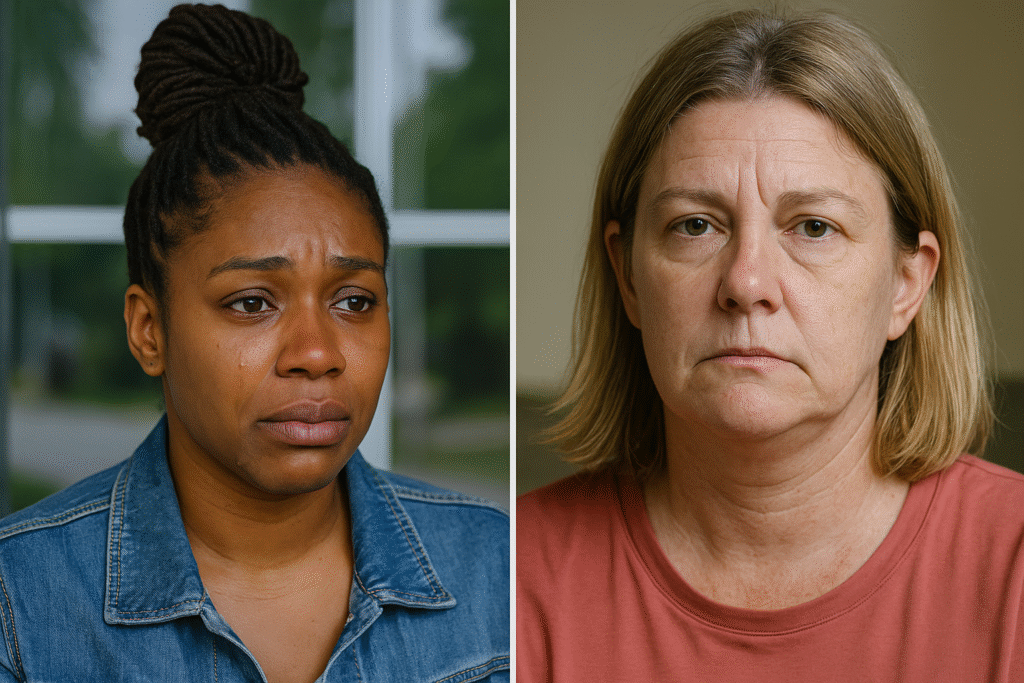
After the criminal conviction, Owens’ family filed civil actions and pushed for public accountability; some reports say the family authorized the documentary to ensure the record included footage and personal context often missing from short news cycles. Activists have used the case to call for reforms in neighborhood dispute resolution, more consistent enforcement of harassment laws, and reconsideration of how “stand your ground” claims are evaluated by investigators. The Perfect Neighbor amplifies those voices.
How to watch The Perfect Neighbor (streaming details)
- Where: Exclusively on Netflix (global streaming release Oct 17, 2025). Go to the official Netflix title page and search The Perfect Neighbor to stream.
- Runtime: Roughly 96–97 minutes (documentary length varies slightly by region).
- Trigger warning: contains police bodycam footage, graphic descriptions and discussions of violence. Viewer discretion advised.
Practical tip: if you’re watching with family or in a classroom, consider pre-screening and prepare support resources for viewers affected by the material. The film is frequently used as a discussion starter for courses about criminal justice, ethics and media representation.
Ethical questions for viewers and reporters
- Consent and dignity: The film uses footage of real violence. Ask whether showing that footage honors victims’ dignity or retraumatizes families. The Perfect Neighbor sought family permission; the filmmakers say they acted to preserve Owens’ story.
- Context vs. sensationalism: True-crime audiences can demand gruesome details. This film aims to provide legal and social context rather than pulp. Still, viewers and publishers should avoid spreading lurid clips without context.
- Race and reporting: The case sits at the intersection of race, class and gun policy. Thoughtful coverage requires acknowledging that context rather than treating the incident as an isolated tragedy.
FAQs (short, sourced answers)
Q: Is The Perfect Neighbor a dramatization or a documentary?
A: It’s a documentary that relies on police bodycam, surveillance, interviews and court materials.
Q: When was Ajike Owens killed?
A: June 2, 2023; the shooting occurred at Lorincz’s doorstep and was captured on surveillance and bodycam footage used in the trial and documentary.
Q: Was Susan Lorincz convicted?
A: Yes — she was convicted of manslaughter and later sentenced (reporting indicates a 25-year sentence following trial).
Q: Is this on Netflix now?
A: Yes — streaming worldwide on the Netflix platform beginning Oct 17, 2025. Check Netflix’s title page for regional availability.
Why this documentary matters beyond one neighborhood
The Perfect Neighbor is important because it connects a single violent event to broader systems — policing practices, community conflict resolution failures, and legal frameworks that can shape outcomes. The documentary becomes a case study for students, lawmakers, and activists wrestling with how to prevent neighborhood disputes from turning deadly. It’s a sobering reminder that small daily frictions can escalate when fear, prejudice and weapons intersect.
Further reading and resources (watch, learn, support)
If the film raises issues for you or someone you know, consider these steps:
- Learn about local dispute-resolution programs — many cities offer mediation and community-based resources.
- Support organizations that help families of victims and work on gun-violence prevention or criminal-justice reform.
- Read reputable reporting on the case and watch the documentary with context — the sources linked below are the best starting points.
Sources — verified links
Below are the authoritative articles and pages used to verify facts in this post. Use these primary pages for quotes, screenshots, or embedding.
- Netflix — The Perfect Neighbor official title page (streaming on Netflix Oct 17, 2025). (Netflix)
https://www.netflix.com/title/82018736 - People — “Susan Lorincz fatally shot AJ Owens, then called herself the ‘perfect neighbor.’ Inside the shocking case.” (detailed reporting on the incident and trial). (People.com)
https://people.com/the-perfect-neighbor-true-story-aj-owens-susan-lorincz-11830438 - Decider — “Where is Susan Lorincz Now? The Perfect Neighbor Netflix Documentary” (background and status reporting). (Decider)
https://decider.com/2025/10/17/where-is-susan-lorincz-now-the-perfect-neighbor-netflix-documentary/ - Biography.com — overview of the documentary and the case context. (Biography)
https://www.biography.com/movies-tv/a69042720/the-perfect-neighbor-true-story-susan-lorincz/ - Rolling Stone — critical reporting on the documentary’s use of footage and the context of “stand your ground.” (Rolling Stone)
https://www.rollingstone.com/culture/culture-news/perfect-neighbor-netflix-doc-stand-your-ground-1235443798/ - Netflix Tudum — feature article and production notes for The Perfect Neighbor. (Netflix)
https://www.netflix.com/tudum/articles/the-perfect-neighbor-documentary-release-date-news - Rotten Tomatoes — film page with critic consensus and runtime. (Rotten Tomatoes)
https://www.rottentomatoes.com/m/the_perfect_neighbor_2025 - Newsweek — viewing details and release timing for streaming audiences. (Newsweek)
https://www.newsweek.com/entertainment/movies/the-perfect-neighbor-release-date-time-how-to-watch-10479674
Disclaimer
This article summarizes reporting and official pages available as of the update date above. It is for informational purposes only and not legal advice. The documentary contains graphic footage; viewer discretion is advised. For court records and complete legal filings, consult official court documents and public dockets. Images used in this article are royalty‑free or licensed for commercial use and are provided here for illustrative purposes.