Key points (quick read)
- A U.S. Immigration and Customs Enforcement (ICE) officer fatally shot 37-year-old Renee Nicole Good in south Minneapolis on January 7, 2026.
- The agent involved has been publicly identified in reporting as Jonathan E. Ross; officials and witnesses dispute aspects of the federal account.
- The FBI has taken over the criminal investigation; Minnesota authorities say they have been limited in access to physical evidence.
- Multiple bystander videos circulated online, fueling protests and intense congressional debate. Local leaders and family members contest federal claims that Good tried to run over officers.
- Community fundraisers and verified GoFundMe campaigns for Good’s family have drawn large donations as vigils and legal calls continue.
What happened — the timeline in plain terms
On the morning of January 7, 2026, ICE agents were conducting an enforcement action in south Minneapolis when they encountered a vehicle driven by Renee Nicole Good. Multiple videos from bystanders show agents approaching the car and trying to open the door. Shortly after, an agent fired into the vehicle; Good was mortally wounded and later pronounced dead.
Federal briefings described the incident as a defensive response, saying the driver attempted to run over officers. Local officials, union leaders and independent experts who reviewed video questioned that account, saying the footage does not clearly show a deliberate attempt to strike agents. The contrast between federal statements and local readings of video footage has been central to the public outcry.
Who is Renee Good? (short profile)
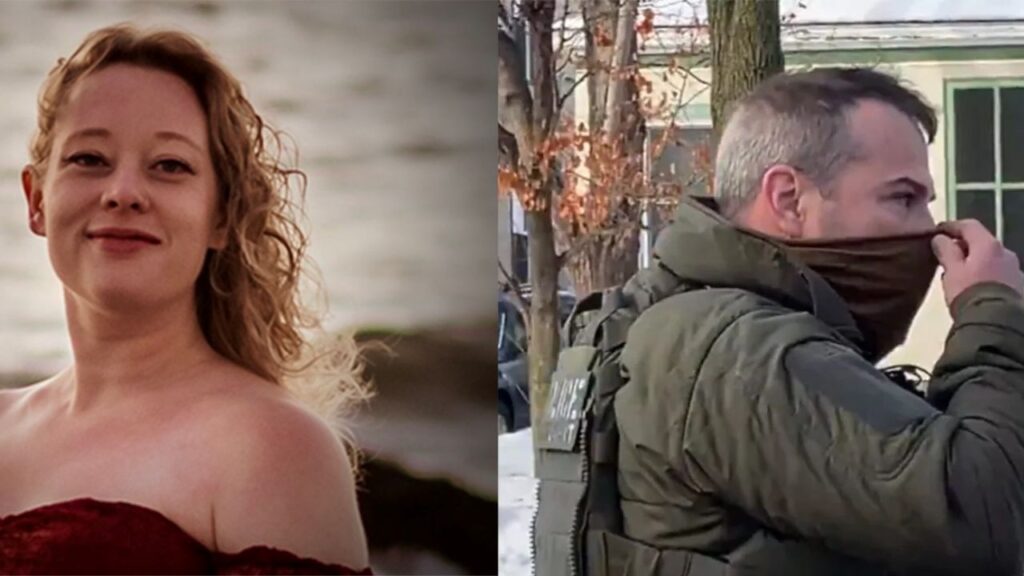
Renee Nicole Good, 37, is described in interviews and reporting as a poet, mother of three and an Old Dominion University graduate who recently moved to the Twin Cities. Family members and neighbors have emphasized her role as a caregiver and community member. Her death has prompted vigils and national media attention.
Who is the ICE officer (name confusion explained)
News coverage has identified the agent involved as Jonathan E. Ross (various misspellings of the first name — Johnathan / Jonathon — circulated briefly on social platforms). Reporting notes Ross’s long career in military and law-enforcement roles; federal officials have defended the agent’s service record even as legal questions mount.
Evidence, investigations and access fights
The FBI has assumed the criminal investigation; at the same time, Minnesota state investigators and the Bureau of Criminal Apprehension reported difficulties in obtaining scene materials and footage from federal agents. That access dispute has inflamed lawmakers and local leaders who argue transparency is essential to public trust.
The video(s) and the public reaction
Multiple short videos taken by bystanders circulated immediately after the shooting. Those clips were replayed in congressional hearings and social media threads, amplifying calls for independent review. Some law-enforcement use-of-force experts who reviewed longer footage questioned whether shooting at a moving vehicle — particularly when agents stood in front of it — was consistent with standard tactics.
Political fallout and congressional flashpoints
The shooting landed on the House floor and in committee hearings, producing heated exchanges between members of both parties. Representatives including Jasmine Crockett and Minnesota lawmakers sharply pressed colleagues and federal officials for answers. Exchanges captured on video and social platforms reflect how the event has become a flashpoint in national debates over immigration enforcement, federal authority and civilian safety.
Community response: vigils and fundraisers
Verified GoFundMe pages and local fundraisers for Good’s partner and children responded quickly, drawing hundreds of thousands — and in some verified campaigns more than a million — in public donations within days. Vigils, street memorials and artistic tributes spread across Minneapolis and other cities.
Frequently asked questions (short answers)
Was Renee Good a U.S. citizen?
Yes. Reporting from multiple outlets states Good was a U.S. citizen and not a target of a deportation order. Local officials said she was acting as a legal observer for the event and was not being arrested when the shooting occurred.
Why did ICE say she was trying to run over officers?
The Department of Homeland Security briefed that agents believed the vehicle posed an imminent threat. Critics and some video reviewers say the footage does not clearly show an intentional attempt to strike officers; that dispute is one of the reasons for calls for a full independent accounting.
Who is responsible for investigating?
The FBI is leading the criminal probe; the Department of Homeland Security also conducts internal reviews. State officials have requested access for their criminal investigators and the Minnesota Bureau of Criminal Apprehension has said it has been limited in its access to evidence.
What to watch next (short list)
- Public release of fuller body-cam and scene footage, if any exists.
- Whether state prosecutors are given evidence or whether federal jurisdiction remains exclusive.
- Any formal charges or administrative actions announced by the FBI or DHS.
Do you trust the federal explanation of the Renee Good ICE shooting?
Final note — why this matters
This case sits at the intersection of federal enforcement powers, the role of bystander video in modern accountability, and how local communities demand access to evidence when state and federal actors overlap. The questions that remain — over access, tactics, and the sequence that led to Renee Good’s death — will shape not only legal outcomes but local trust in federal operations.
Disclaimer: This article is based on reporting and verified public information available as of January 2026. It synthesizes multiple media reports and official statements; readers should expect official investigative findings (FBI/DHS/state agencies) to add detail or revise initial accounts as the case progresses.