Key points
- The White House vows to press ahead with replacement tariffs after the Supreme Court of the United States struck down prior emergency duties — political and strategic constraints make backing down unlikely.
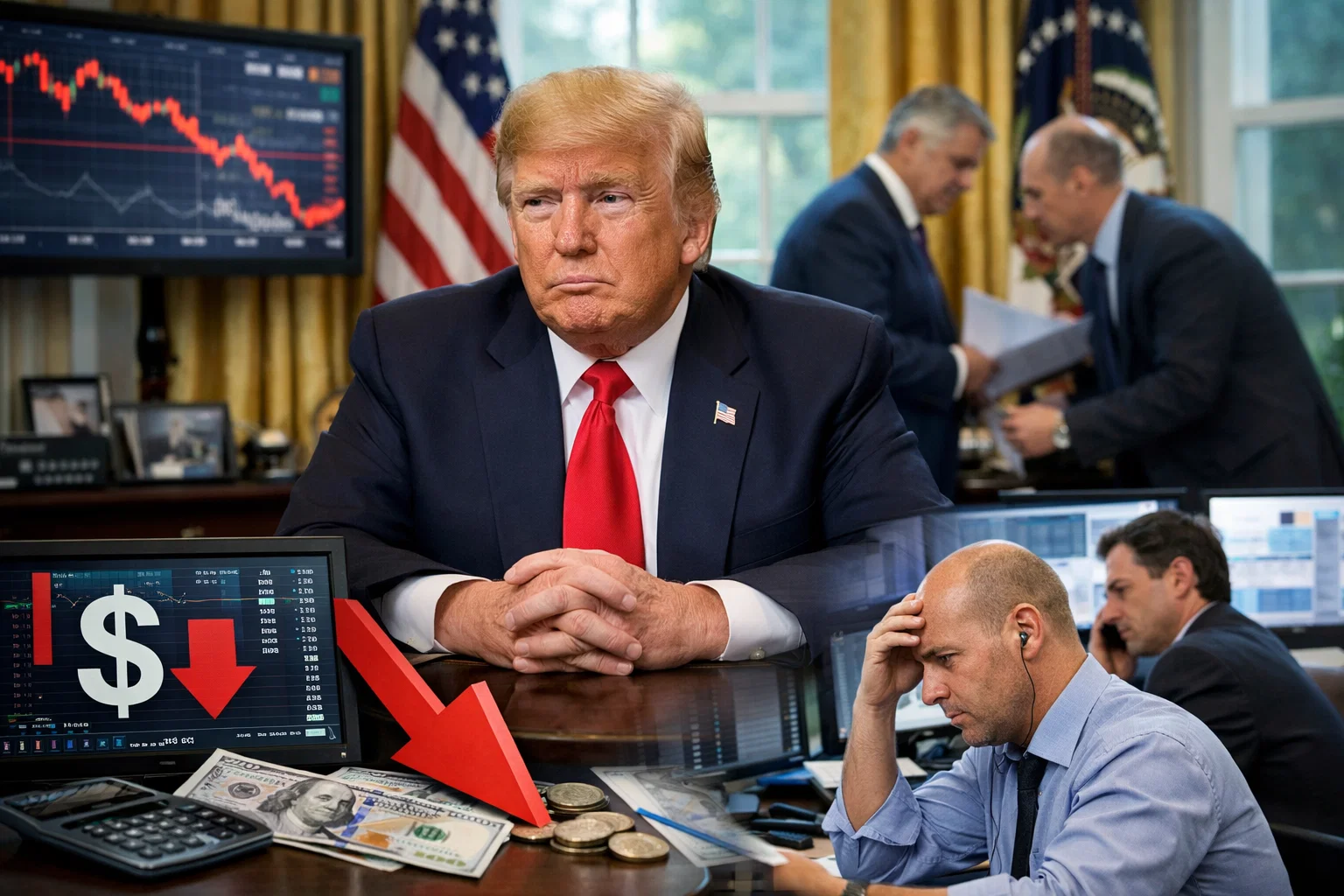
- Markets reacted fast: U.S. Treasury yields rose and the U.S. dollar weakened on concerns about refund liabilities and bigger future deficits.
- Analysts (including the Penn Wharton Budget Model) flagged hundreds of billions in potential revenue at risk, a key driver of the bond-market selloff.
- Practical takeaway: businesses should reassess FX hedges, import/export pricing and liquidity plans as volatility may persist.
Why he won’t — even if markets dislike it
Donald Trump has political incentives to maintain a tough trade posture: tariffs are a cornerstone of his messaging to voters and industry allies. Strategically, retreating could be seen as weakness by supporters and critics alike. Even where alternative statutory paths exist, ditching the policy would create immediate political pushback — so the administration is more likely to retool than retreat.
Market mechanics: why the dollar fell
The unexpected legal setback created two near-term market fears: (1) authorities may have to refund previously collected duties, creating a cash outflow; and (2) future tariff receipts are now uncertain. Both raise expectations for higher Treasury issuance or larger deficits. Investors sold Treasuries (yields rose), and the currency weakened as yield differentials and fiscal risk repriced. Safe-haven assets such as gold rallied as a hedge.
What businesses and households should do now
- Treasurers & CFOs: review FX hedges and funding timelines; consider locking borrowings if your exposure is long-dated.
- Importers & retailers: rerun pricing scenarios: a defeated tariff could lower input costs, but whipsaw policy risks mean pass-through won’t be immediate.
- Consumers: watch mortgage and loan rates — a sustained rise in long-term yields can feed into borrowing costs.
Policy and timeline to watch
- Will the administration seek new statutory authority or invoke narrower trade tools? Watch guidance from the United States Department of the Treasury and Commerce.
- Can United States Congress be persuaded to codify replacement measures? Floor votes and hearings will determine the durability of any tariff plan.
- Central-bank reaction: the Federal Reserve will monitor whether the fiscal shock alters inflation or growth — its response will shape rate and currency expectations.
Bottom line
This episode is as much political theatre as macro shock: Donald Trump is unlikely to back down because the tariffs are a political brand asset. Markets will remain jittery until policymakers provide clear guidance on refund rules, deficit implications and the legislative path forward. For now, prepare for volatility — and hedge accordingly.