Key points
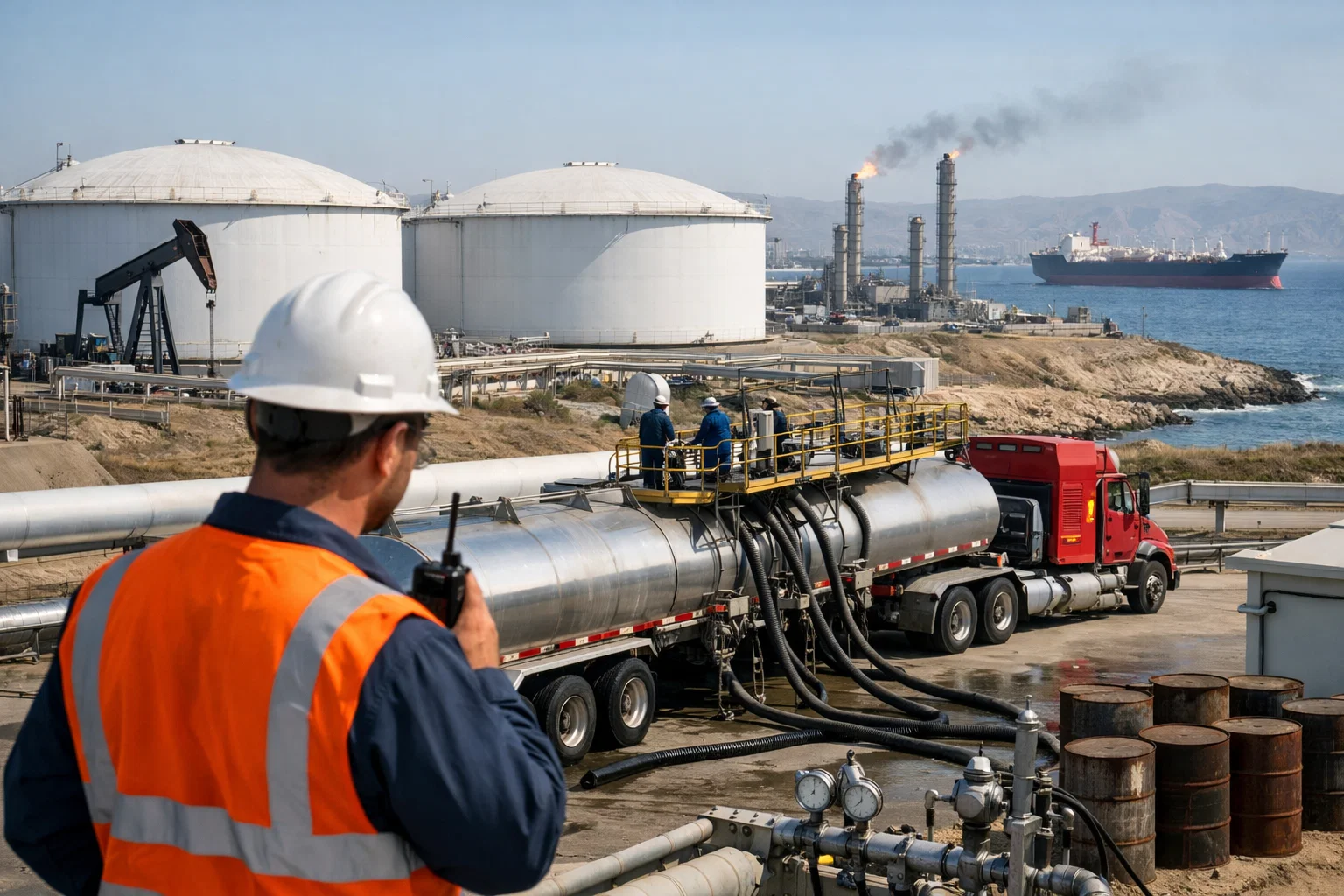
- The U.S. has tapped the Strategic Petroleum Reserve (SPR) to help cool oil prices that surged after the Iran conflict disrupted global supply routes. Reuters reported a 172 million-barrel release tied to a broader IEA-coordinated 400 million-barrel effort.
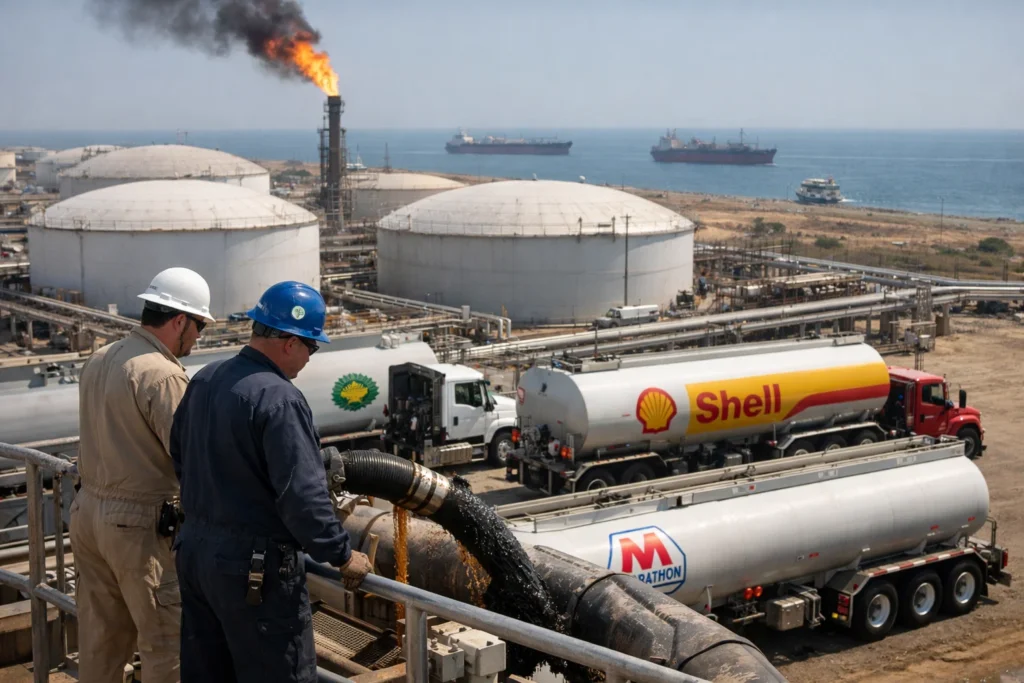
- Reuters says the U.S. has already lent 45.2 million barrels from the reserve to oil companies, including BP, Shell and Marathon Petroleum, as part of the first phase of the plan.
- Energy officials say the move is meant to stabilize prices, but Reuters also reported that a further SPR release is unlikely in the near term.
- The reserve action comes as the Strait of Hormuz crisis has pushed markets higher and made energy security a political issue for consumers, airlines, shipping firms and refiners.
USA taps emergency oil reserves to steady markets
The U.S. is once again using its emergency oil stockpile as a pressure valve for a nervous global market. Reuters reported that Washington is releasing 172 million barrels from the Strategic Petroleum Reserve, part of a coordinated International Energy Agency response aimed at easing the price spike driven by the Iran conflict.
That reserve move is not just about numbers on a government ledger. It is about keeping gasoline, diesel and shipping costs from climbing even faster. Reuters said the first batch of the plan already includes 45.2 million barrels lent to companies such as BP, Shell and Marathon Petroleum, with the oil to be returned later at a premium.
The SPR is the world’s largest emergency oil stockpile, and presidents have long turned to it during crises. Reuters noted that the reserve sits in underground salt caverns in Texas and Louisiana and that the current drawdown follows a familiar playbook: release supply now, try to calm markets, and replenish later if conditions improve.
Still, the strategy has limits. Reuters reported this week that U.S. energy officials now say another SPR release is unlikely soon, suggesting Washington wants to avoid overusing the reserve while the geopolitical picture remains unsettled.
For readers, the practical impact is easy to understand. When the U.S. taps emergency oil reserves, it usually means policymakers are trying to stop a supply shock from becoming a full-blown consumer crisis. If the drawdown works, pump prices may stabilize. If the conflict worsens, the market can absorb only so much relief from reserves alone.
Reader question: Do you think emergency oil reserves should be used aggressively to protect consumers, or saved for only the worst crises?