Key points
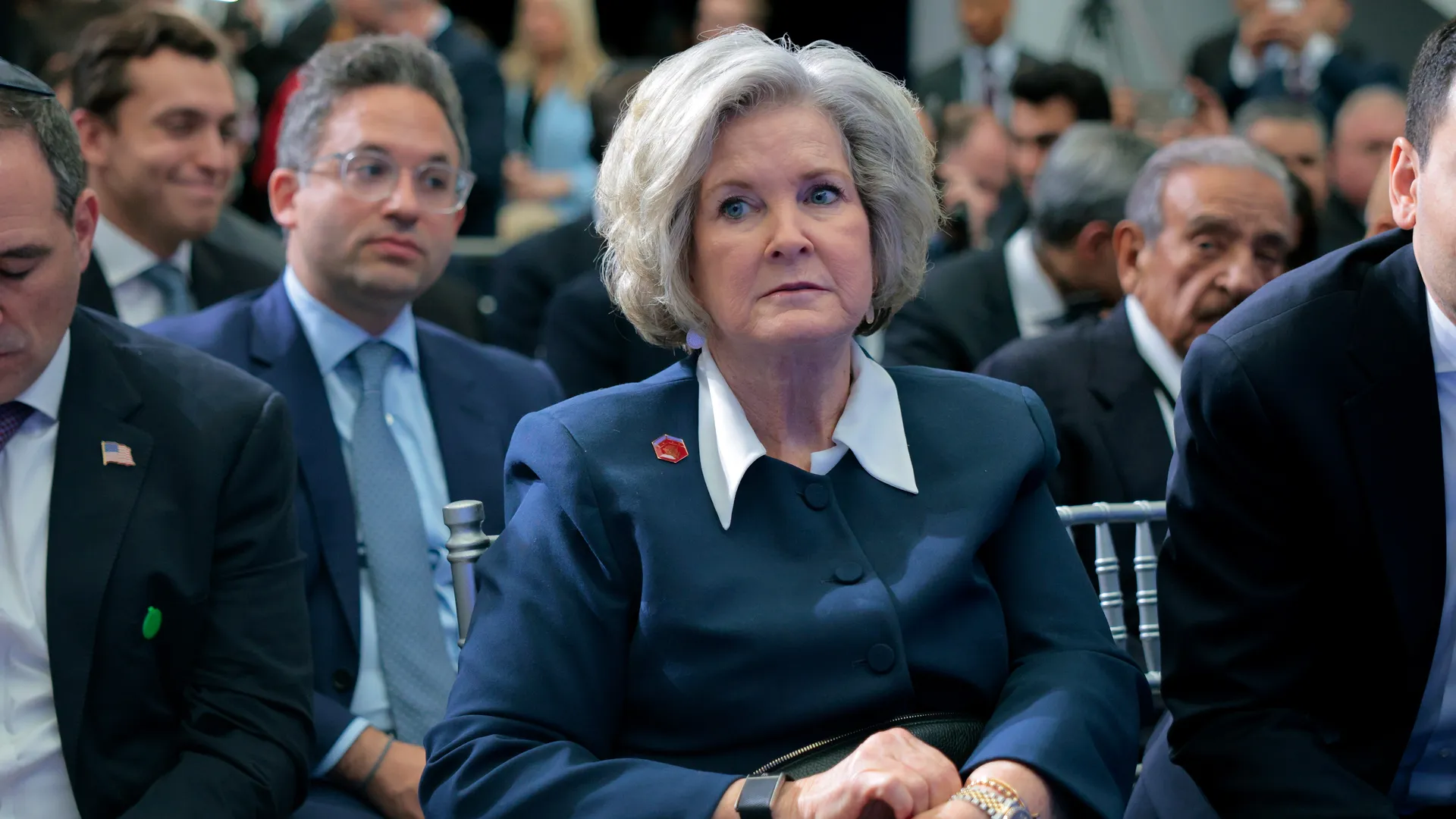
- Susie Wiles says she was “in shock” after learning the FBI had subpoenaed her phone-call records while she was a private citizen.
- The subpoenaed records — toll/metadata (numbers, dates, times), not call content — were reported to have been obtained during the Biden-era probe into classified documents and election-related matters.
- Reporting says at least one call between Wiles and her attorney was recorded by the FBI; the attorney reportedly knew about the recording but Wiles did not.
- The revelations have triggered leadership statements, calls for transparency from outside legal-policy groups, and personnel actions inside the Bureau.
Wiles in shock — what we know right now
The story broke in major outlets after reporting that the FBI had used subpoenas to obtain phone toll records for several people connected to the federal probes into former President Trump’s handling of classified documents and related election-year inquiries. Reuters first published that the Bureau had subpoenaed call logs for Kash Patel and Susie Wiles while both were private citizens in 2022–23; those reports are the basis for the current shock and political fallout.
The key distinction repeatedly highlighted by lawyers and reporters is between toll records — who called whom, when and for how long — and intercepted content of calls. The reporting to date indicates the subpoenas yielded metadata rather than recorded conversations (with the reported exception of one recorded call where the attorney allegedly consented). That difference matters legally and politically; metadata is frequently used in investigations but still raises civil-liberties concerns when it touches political figures.
Timeline (concise)
- 2022–2023: Special counsel investigations into classified documents and election-related actions were active.
- During that period: Subpoenas for toll records were issued for some individuals connected to those probes.
- Feb 2026 (reporting): Public disclosure that the FBI obtained the phone-record subpoenas; Wiles told associates she was “in shock.” Subsequent internal reviews and at least one round of dismissals inside the Bureau were reported.
Why this matters — three angles readers should care about
- Privacy vs. lawful investigation: Metadata subpoenas are a common investigative tool, but when they reach people closely tied to political campaigns or senior officials they spark questions about oversight, probable cause and proportionality. The legal standard for obtaining toll records is lower than for wiretaps, but public trust depends on clear, documented justification.
- Separation of powers & politicization risks: When the subject of investigative steps includes future or current political appointees, the optics are acute. Critics say secrecy and the use of special file markings can hide activity from oversight; defenders argue investigative independence is essential. Expect congressional interest and inspector-general inquiries if the allegations hold up.
- Operational and personnel fallout: News reports tie the revelations to personnel decisions inside the Bureau and to leadership statements from the new FBI director. That has consequences for morale, public confidence, and the Bureau’s ability to recruit and retain specialty staff.
Legal context — what the law allows (short primer)
- Toll records (metadata): Carriers keep records of call logs; prosecutors can obtain them with subpoenas or court orders. They show who called whom, when and for how long — but not the conversation. Courts have treated some kinds of metadata as having diminished privacy protections, but recent jurisprudence has pushed for greater safeguards when large troves of metadata are collected.
- Wiretaps/recordings: Intercepting content typically requires a higher standard (a wiretap order under Title III), and the law generally requires notice to counsel for evidence handling and chain-of-custody. Allegations that a call between a client and attorney was recorded without the client’s knowledge raise additional ethical and legal questions.
Quick takeaways — bottom line
The reporting that the FBI subpoenaed phone-toll records for prominent figures like Susie Wiles and Kash Patel has ignited a fast-moving mix of legal, political and personnel fallout. The records reportedly sought metadata rather than content, but the alleged recording of a call and questions about secrecy and oversight have elevated the issue beyond routine investigative technique into a flashpoint for debates over privacy, politicization and institutional trust. Expect more documents, statements and congressional activity in the coming days.