Key Points: Food Blackout Rumors
- Social media posts claimed a 90-day nationwide blackout would start on November 17 and told people to stock up on food.
- PolitiFact rated the claim false. It found no evidence of any planned blackout.
- The video that seemed to show President Trump announcing it was altered from a November 9 press conference.
- The only scheduled event was a routine FEMA and FCC alert test on TV and radio at about 2:20 p.m. ET.
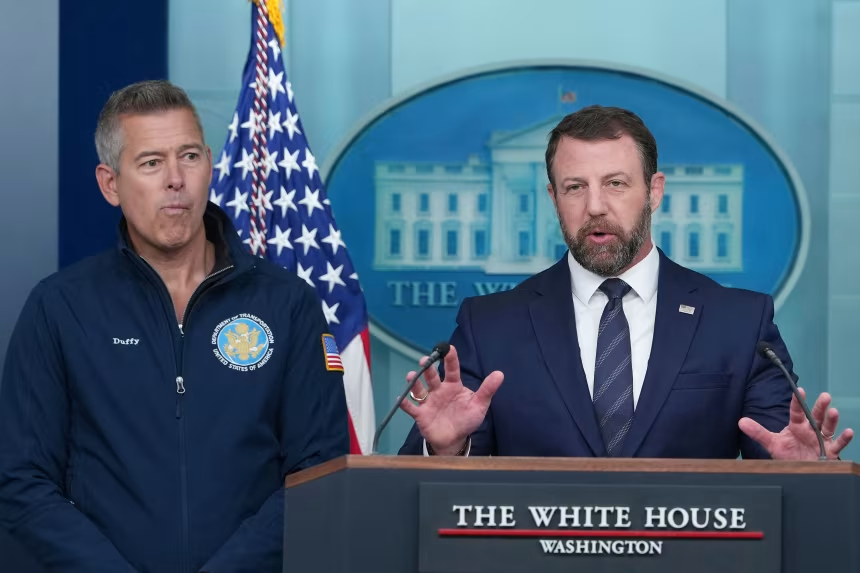
- Homeland Security Secretary Markwayne Mullin said Americans do not need to stockpile supplies.
By Tuesday afternoon, plenty of people had checked their pantries twice. Some had already filled shopping carts.
The trigger was a few short videos, a scary date and a very real worry about the price of groceries.
How the Food Blackout Rumors Started
The first posts appeared on TikTok around November 14. They claimed the country faced a 90-day blackout starting November 17.
One clip showed Trump at a podium, apparently saying a long blackout was coming before the end of the year. He never said it.
Fact checkers traced the footage to a November 9 press conference. In the real video, he talked about other topics, including Jensen Huang and the Iran war.
The account that posted the fake clip used it to promote cryptocurrency. Similar altered Trump videos showed up on Facebook and Instagram with the same sales pitch.
The Five True Facts Stitched Into One False Story
Here is the angle that most coverage left out. The rumor did not come from nowhere. It was built from real events, and that is why it felt believable.
Look at the list.
- A Microsoft outage: Services went down from November 12 to 14. The company called it a technical problem, not an attack.
- A flight stop: On November 13, the FAA grounded flights because of outdated equipment. Planes were flying again that day.
- FORTRESS America: Defense Secretary Pete Hegseth announced this plan on September 30. It aims to let military bases run on their own power for at least 90 days.
- UK advice: In October, British officials told households to keep 72 hours of supplies at home.
- A FEMA test: The government scheduled a nationwide emergency alert test for November 17.
Each item is true. None of them says a blackout is coming. Put together with a fake video, they became a story that sounded complete.
That is analysis, not a government finding. But it explains why a debunk can feel less convincing than a rumor.
What Actually Happened on November 17
The FEMA and FCC test aired on radio and television at about 2:20 p.m. Eastern. It lasted roughly one minute and required no action.
It did not go to cell phones. Federal law requires this kind of test at least once every three years.
Afterward, FEMA rejected online claims that the test had failed or that the agency was hacked. It said it will work with the FCC to review the results.
As of Wednesday, no nationwide blackout has been reported.
Should You Stock Up on Food Anyway?
Mullin said Americans do not need to stockpile for power, water or food disruptions. He also pointed out that the UK situation and the US situation are different.
Still, basic preparation is not a bad habit. Winter storms and local outages happen every year.
Here is a calm way to think about it. This is general advice, not a warning.
- Keep a few days of shelf stable food, such as canned goods, rice and peanut butter.
- Store water, medicines and phone chargers in one easy place.
- Buy extra slowly, a little at a time, instead of all at once.
Panic buying can leave empty shelves for neighbors and push prices up. A steady plan costs less and helps everyone.
A 30 Second Check Before You Share Anything
Viral warnings spread fast because they are built to make you act. Slow down with these quick steps.
- Ask who gains. If the video ends with a link to buy something, treat it as an ad.
- Look for the original. Search for the full press conference, not the short clip.
- Check a second source. If no major agency or news outlet confirms it, wait.
- Notice the deadline. Fake alarms love a tight date.
The Trump video in this case failed all four.
What to Watch Next
- FEMA’s review: The agency says it will study the test results with the FCC.
- More fake clips: Altered videos of public figures tend to come back with new dates.
- Grocery prices: Any real jump in demand would show up in stores first.
The blackout rumors may fade this week. The habit of checking before sharing is the lasting lesson.