Key points
- Cuba’s energy minister says the country has completely run out of diesel and fuel oil, pushing the national grid into a critical state.
- The shortage is driving severe blackouts, transport delays, hospital strain, and fresh public anger in Havana and beyond.
- Reuters says the crisis is tied to a worsening fuel squeeze and a U.S.-driven blockade on fuel imports, while Cuba’s officials blame sanctions for the collapse.
- The government is now moving to adjust fuel prices at the pump as it looks for a way to ration what little supply remains.
Cuba runs out of fuel and diesel has become more than a headline. It is now the story of a country trying to keep lights on, buses moving, and hospitals functioning with almost no room left to breathe. Reuters reported on May 14, 2026, that Energy Minister Vicente de la O Levy said Cuba had “absolutely no fuel” and “absolutely no diesel,” with the grid already in a critical state.
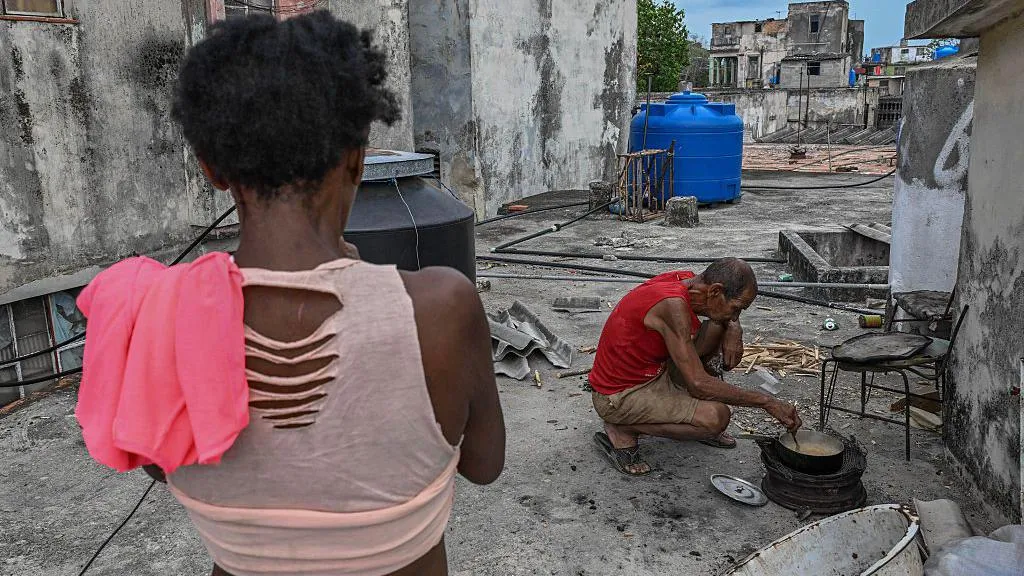
The fallout is immediate. AP reported a major blackout across eastern provinces, while Havana has been hit with rolling outages lasting up to 24 hours in some areas. Residents have protested with pot-banging and street demonstrations, a sign of how quickly energy shortages have turned into a daily-life crisis.
This is not just about cars or generators. Diesel powers freight, food distribution, agriculture and much of the island’s basic logistics. When supply dries up, the pain spreads fast: buses stop, grocery shelves thin out, and essential services slow down. Reuters reported that Cuba generates only about 40% of the fuel it needs, making the island heavily exposed to every disruption.
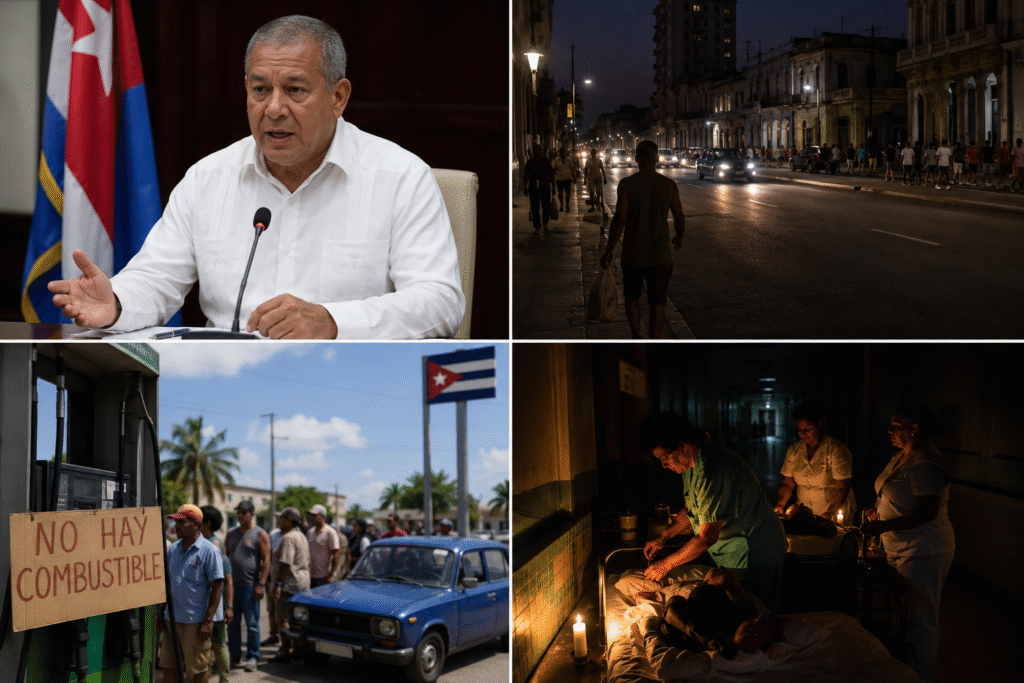
Officials in Havana say sanctions and the fuel blockade are the reason the system has broken down. U.S. policy has tightened pressure on fuel shipments, and recent reporting says long-time suppliers have pulled back or become unreliable. That has left Cuba leaning on limited and unstable deliveries from abroad, which have not been enough to stabilize the grid.
The government’s response is now shifting toward price control and rationing. Reuters reported that Cuba plans variable fuel prices starting May 15, a move designed to reflect import costs while trying to manage demand. That may help on paper, but it does not solve the deeper shortage that is already hitting homes and businesses.
For readers, the bigger picture is clear: Cuba runs out of fuel and diesel is not only an energy story, but also a story about politics, sanctions, and a collapsing supply chain. The next clues to watch are whether new shipments arrive, whether blackouts intensify, and whether the government can prevent the crisis from spreading into food and health systems.
Disclaimer: This article is for news and informational purposes only and reflects reporting available in May 2026.