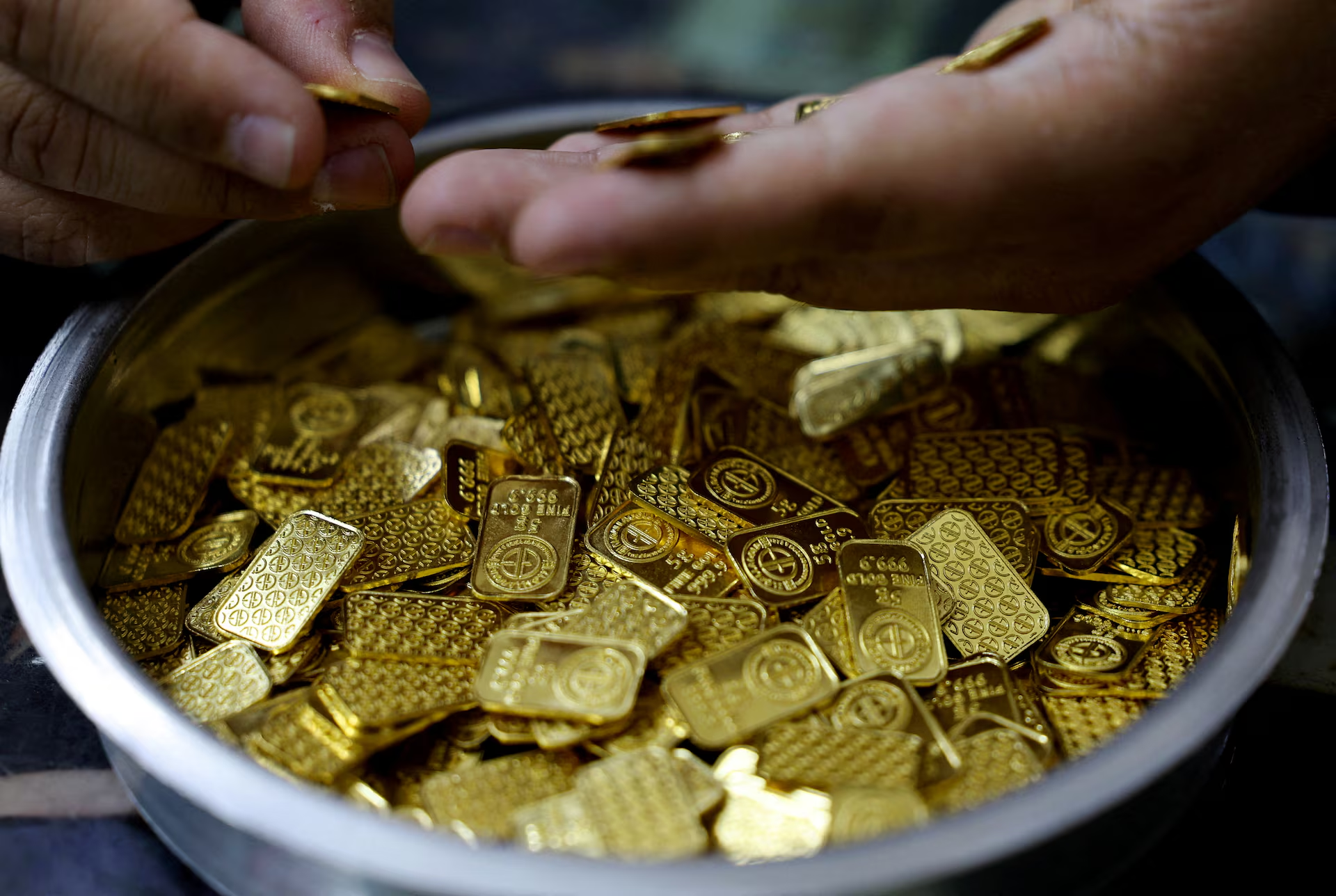
Published by TrenBuzz.com | May 6, 2026
Key Points at a Glance – How Every Iran Peace Headline Moves Gold
- Spot gold surged 0.4% to $4,726.62 per ounce after Iran submitted its 14-point peace proposal — recovering from a brutal 2.5% weekly loss.
- But gold plunged 2.6% back to $4,524.40 hours later when Iran fired on UAE oil ports and US Navy vessels sank 7 Iranian speedboats.
- Gold’s current range for 2026: $4,400–$5,500 per ounce — with every Iran headline shifting the metal within that band.
- J.P. Morgan forecasts gold at $6,300 by year-end 2026; Deutsche Bank targets $6,000 — if a durable peace deal lands.
- Gold futures settled at $4,568.50 on May 5, up 0.8%, as bargain hunters returned after the sell-off.
- Oil above $100 per barrel is driving inflation fears — a double-edged sword for gold, supporting it as a hedge but also empowering hawkish Fed policy.
- Silver rose 0.2% to $75.82, platinum gained 0.5% to $2,020.44, and palladium fell 0.6% to $1,486.99.
- The US dollar weakened when Iran peace hopes revived — boosting gold for holders of non-dollar currencies.
- The Fed held rates at 3.5%–3.75% with a hawkish tone — a headwind for gold’s near-term rally.
- Gold’s volatility will continue until the Strait of Hormuz reopens or a formal peace agreement is signed.
In 2026, the world’s most ancient store of value is being moved not by central banks or inflation numbers — but by 34 kilometers of contested ocean called the Strait of Hormuz.
Gold rose on Monday, aided by a weaker dollar as news of Iran’s new proposal to end its war with the US boosted hopes for a de-escalation of the Middle East conflict. As of 0407 GMT, spot gold was up by 0.4%, at $4,726.62 an ounce. Last week the metal dropped 2.5%, ending a four-week winning streak.
The Iran Peace Rally — And Why It Evaporated Instantly
The dollar weakened, making the greenback price of bullion more affordable to holders of other currencies. Trump said that Iran could “phone to negotiate a ceasefire to their two-month conflict,” while Tehran’s foreign minister arrived in Russia to seek support from President Putin. Saturday’s hopes receded after Trump cancelled a visit by his envoys to Pakistan.
Gold prices fell 2% when heightened US-Iran tensions boosted the dollar and reinforced inflation concerns. Spot gold fell 2.6% to $4,524.40 per ounce. Iran hit several ships in the Strait of Hormuz and set a UAE oil port ablaze, erasing all peace-deal gains in a single trading session.
The Bargain Hunt — Gold Bounces Back
US gold futures settled 0.8% higher at $4,568.50 the following session. “We are seeing some bargain hunting after the recent selloff, and oil prices easing are also providing support. The market is going to continue to watch the headlines, but we could see focus shift a little towards economic data,” said Jim Wyckoff, market analyst at American Gold Exchange. “Gold bulls need a significant fundamental spark to regain their footing,” he added.
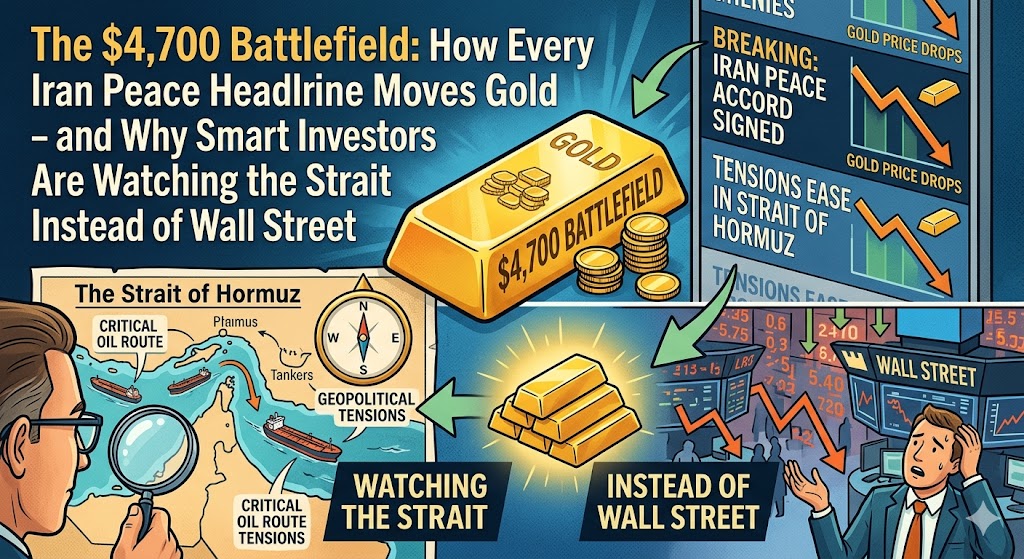
The Fed Factor — Hawkish Signals Capping the Rally
Gold is still feeling the lingering effects of the hawkish Fed messaging, particularly the notable dissenting voices pushing back against further easing. “Gold is still feeling the lingering effects of last week’s hawkish Fed messaging, particularly the notable dissenting voices pushing back against further easing,” said Tim Waterer, chief market analyst at KCM Trade. Fed officials who dissented last week said the oil price shock from the Iran war means inflationary pressure isn’t going away.
Higher-for-longer interest rates make gold — which pays no dividends — less attractive relative to yield-bearing assets. Until the Iran war ends and oil falls below $100, the Fed is unlikely to cut, and gold’s ceiling remains constrained.
What the Banks Are Saying — Year-End Targets
Bank forecasts remain bullish despite short-term volatility. J.P. Morgan predicts prices will reach $6,300 per ounce by the end of 2026, while Deutsche Bank is standing by a $6,000 year-end target. Gold surged from $5,296 to $5,423 per troy ounce after the US and Israel launched strikes on Iran on February 28, but a sell-off saw prices fall more than 6% before the current range established itself.
“We see gold largely trading in a $4,400–$5,500 range by year-end. The upper end of that range would require a durable reduction in Middle East tensions and some easing of inflation pressures, while persistent high oil prices would keep the metal toward the lower half of the range,” said Waterer.
What Could Move Gold Most — The Four Catalysts
The four events that would send gold decisively in one direction are now clear: a verified US-Iran peace deal (up hard and fast); a resumption of full-scale US strikes on Iran (down first, then up on global fear); a Fed rate cut signal (up sharply); or the Strait of Hormuz fully reopening (down as inflation fears ease, taking risk premium off).
“Gold buyers are carefully reclaiming the narrative this week with higher lows every day helped by the tentative ceasefire. Expect a significant battle ahead of $5,000; a break back above could re-ignite the bull run,” said independent metals trader Tai Wong.
Every morning in May 2026, gold traders are waking up, checking the Strait of Hormuz headlines before looking at any economic data — and that single fact tells you everything about what is driving the world’s oldest financial market right now.
Disclaimer: This article is for general informational and educational purposes only and does not constitute financial, investment, or trading advice. All price data, analyst quotes, and market details are sourced from CNBC, MarketScreener, Energy News OE Digital, and Business League as of May 5–6, 2026. Gold prices are volatile and may have changed significantly since publication. TrenBuzz.com does not recommend buying, selling, or holding any asset. Readers should consult a qualified financial advisor before making any investment decisions.