Key points
- Joe Kent resigned as Director of the U.S. National Counterterrorism Center in protest of the administration’s war with Iran.
- In his resignation letter he argued Iran posed “no imminent threat” and blamed pressure from Israeli interests for pulling the U.S. into conflict.
- The move is the first senior-level walkout over the Iran war and exposes deep fractures inside the administration.
- Reactions were mixed: some praised his integrity while others — including the President — dismissed him as “weak on security.”
- Kent’s past political ties and controversial statements mean his resignation reverberates beyond policy to questions about vetting and political alignment.
Joe Kent Resigns — the short version
After posting a public resignation letter, Joe Kent stepped down immediately, saying he could not in good conscience stay while the U.S. pursued military action against Iran.
He wrote that intelligence did not show an imminent Iranian threat and alleged the war was driven by external lobbying pressures rather than clear justification.
Why his letter matters
Kent’s letter is significant because he led the agency charged with assessing terror threats; his public break signals internal disagreement on the core national-security rationale.
Officials close to the situation say this is the first major resignation at senior levels over the Iran campaign.
Who reacted and how
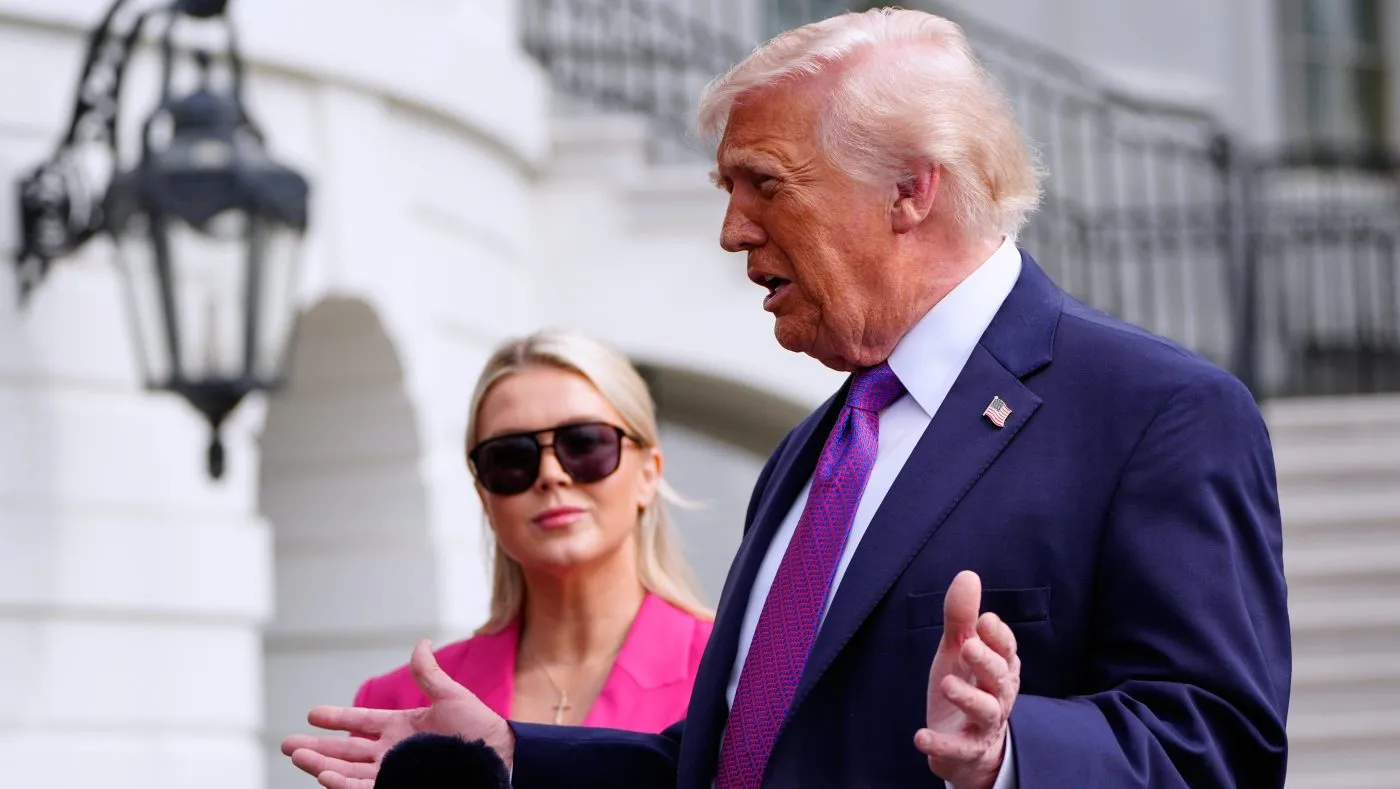
President Donald Trump publicly called Kent “weak on security,” a sharp rebuke that underscores public splits at the top.
Across the political spectrum, responses ranged from praise for Kent’s stance to sharp criticism, with some opponents pointing to his prior associations and rhetoric.
Background on Kent and the post he left
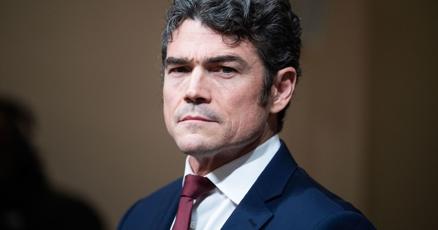
Kent, a former Special Forces officer who ran for Congress, had been confirmed to lead the National Counterterrorism Center earlier amid partisan debate.
The NCTC’s role is to integrate and assess terrorism intelligence across agencies; the director’s public break therefore carries operational and symbolic weight.
What this means for policy and oversight
Expect congressional interest and hearings as lawmakers press agencies to clarify the intelligence basis for the Iran campaign.
Kent’s resignation also raises questions about continuity in counterterrorism assessments and the morale of analysts who may privately share his doubts.
Quick FAQ — concise answers readers want
Who is Joe Kent?
He is a former Green Beret, political candidate and the outgoing Director of the National Counterterrorism Center.
Why did he resign?
He said he could not support the war with Iran, arguing there was no imminent threat and blaming pressure from pro-Israeli interests.
Will this trigger wider resignations?
Unknown — but the move increases scrutiny of senior officials’ public willingness to object and may prompt further internal reviews.
What to watch next (brief)
- Any official follow-up from the White House, the Office of the Director of National Intelligence, and the NCTC about operational continuity.
- Congressional requests for Kent’s resignation letter, underlying intelligence assessments, and classified briefings.
- Statements from other senior intelligence officials that could confirm or rebut Kent’s public claims.
Do you think Joe Kent’s resignation raises legitimate questions about the Iran war rationale?
Disclaimer: This article summarizes contemporaneous reporting and statements as of today. It reports Mr. Kent’s public resignation and claims; official and classified intelligence assessments may provide additional context.