
Key points
- Emmanuel Macron announced a major shift in French nuclear posture: Paris will for the first time allow the temporary deployment of nuclear-armed aircraft to allied countries as part of a new “forward deterrence” strategy.
- The move accompanies plans to increase France’s stockpile of warheads and to involve allies in exercises — while keeping sole French decision-making over any use of nuclear weapons.
- Macron framed the step as bolstering European strategic autonomy amid doubts about the reliability of the U.S. nuclear umbrella and rising global instability.
- The announcement immediately raises legal, operational and political questions — from host-nation permissions and basing logistics to arms-control implications and domestic debate.
Macron says France: what changed — short version
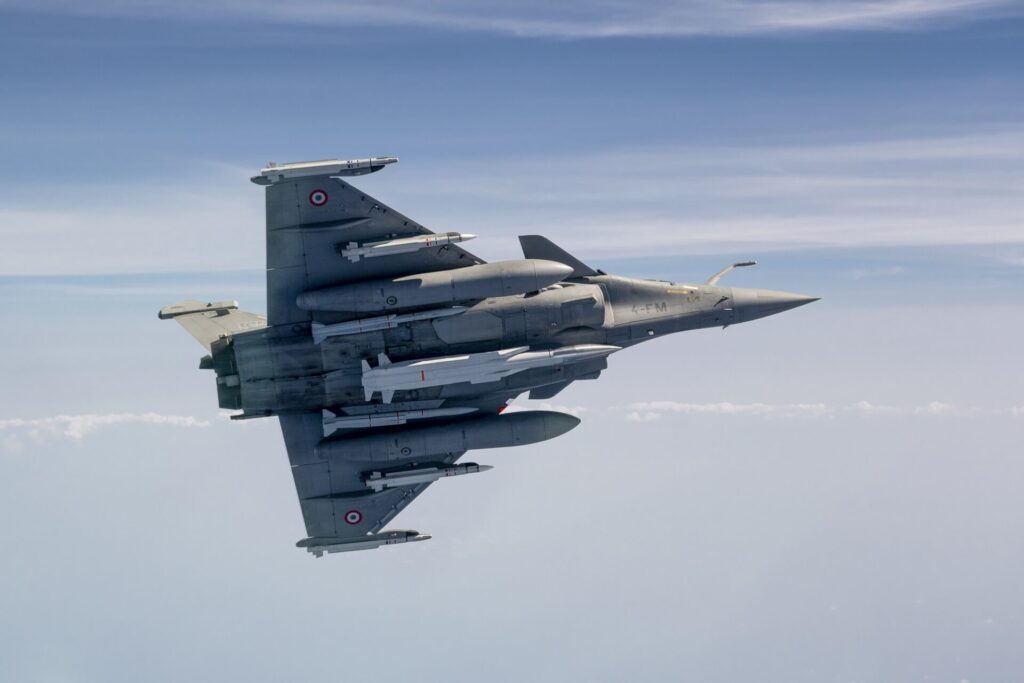
France has publicly recalibrated elements of its nuclear doctrine. In a speech at the Île Longue naval base, President Macron said Paris will allow the temporary forward deployment of elements of its strategic air forces — including nuclear-armed jets — to allied countries, while insisting France alone will retain authority to order any nuclear use. The announcement is part of a broader package that also contemplates adding warheads and deeper interoperability with selected European partners.
Why this matters (five quick reasons)
- A doctrinal shift, not a transfer of control. France is explicit that it will not cede decision-making: allied hosting would be operational and temporary, not shared command. That distinction matters legally and politically.
- Signals to allies and adversaries. Paris is answering European unease about the U.S. nuclear umbrella and sending a message that Europe can field an independent deterrent posture.
- Operational questions abound. Temporary deployment raises technical questions — basing rights, secure storage and transport of nuclear weapons, alert procedures, and personnel vetting. Those will have to be negotiated country-by-country.
- Arms control implications. Increasing warheads and moving nuclear assets around Europe could complicate existing arms-control norms and fuel critics who warn of a new arms spiral.
- Domestic politics will heat up. The French left and disarmament advocates are already critical, while some EU members welcome the gesture as a practical response to shifting U.S. policy.
The announcement in context
After years of measured language about deterrence, France’s move is framed as pragmatic: protect European security while preserving national sovereignty over nuclear forces. Macron’s speech referenced recent unrest in the Middle East and a perceived erosion of guarantee clarity from the United States, arguing Europe must be prepared to act if the transatlantic deterrent shows gaps. The package Macron described mixes tangible steps — more warheads, forward deployments, joint exercises — with firm red lines (no shared decision-making).
Who might host jets — likely partners and limits
Media reports name a shortlist of European partners in initial discussions (Germany, Poland, the Netherlands, Belgium, Greece, Sweden and Denmark were cited in reporting), but any forward posture will depend on bilateral negotiations, parliamentary approvals and NATO consultations. Host nations will confront political debates at home — legal liabilities, public opinion, and the diplomatic blowback from Moscow are central concerns.
Practical and legal hurdles
- Basing & security: Nuclear weapons require certified storage, strict custody chains, and security clearances. Temporarily stationing jets equipped for nuclear delivery triggers NATO-style safeguards and national regulatory checks.
- Sovereignty & control: Macron’s insistence on exclusive French control reduces the risk of decision-sharing, but it complicates operations: host nations must permit foreign-controlled strategic assets on their soil without formal command rights.
- Treaty optics: While France is not bound by the U.S.–UK “dual-capable weapons” arrangements, moving nuclear assets across borders could draw scrutiny under wider non-proliferation frameworks and inflame disarmament advocates.
What allies and critics are saying (initial reactions)
European governments and NATO capitals are likely to publicly welcome stronger deterrence language while pressing for clarity on procedures and consultation mechanisms. Disarmament NGOs and some left-wing political forces warn the policy risks escalation and undermines decades-long efforts toward arms control. Expect formal responses in coming days from NATO, the European Commission, and major capitals.
What to watch next (practical timeline)
- Bilateral talks: Watch for formal offers/requests from possible host countries and the terms they attach (weeks → months).
- Parliamentary debates: Host-nation parliaments may require authorization; these debates will test domestic political support (immediate → 90 days).
- NATO consultations: Allies will seek to align Paris’s steps with NATO posture to avoid mixed signals to adversaries (next few weeks).
- Arms-control responses: Watch for statements from disarmament bodies and potential diplomatic démarches from Russia and China.
Quick explainer: “temporary deployment” vs “nuclear sharing”
- Temporary deployment: France physically places nuclear-capable aircraft or elements of its strategic air force in allied territory for a limited time while retaining command and control.
- Nuclear sharing (NATO style): Typically involves host nations’ forces trained and equipped to deliver allied nuclear weapons under a multilateral framework — a model Macron explicitly ruled out. The French approach aims to reassure without ceding sovereign control.
Bottom line
President Macron’s announcement marks a significant, deliberate evolution in French nuclear posture — designed to reassure allies and shore up European deterrence without surrendering French control. It will produce an intense diplomatic and domestic debate about the balance between deterrence and escalation risk, the mechanics of hosting strategic assets, and the broader future of European security architecture. Expect fast-moving follow-up diplomacy, parliamentary scrutiny in potential host states, and robust commentary from disarmament groups.