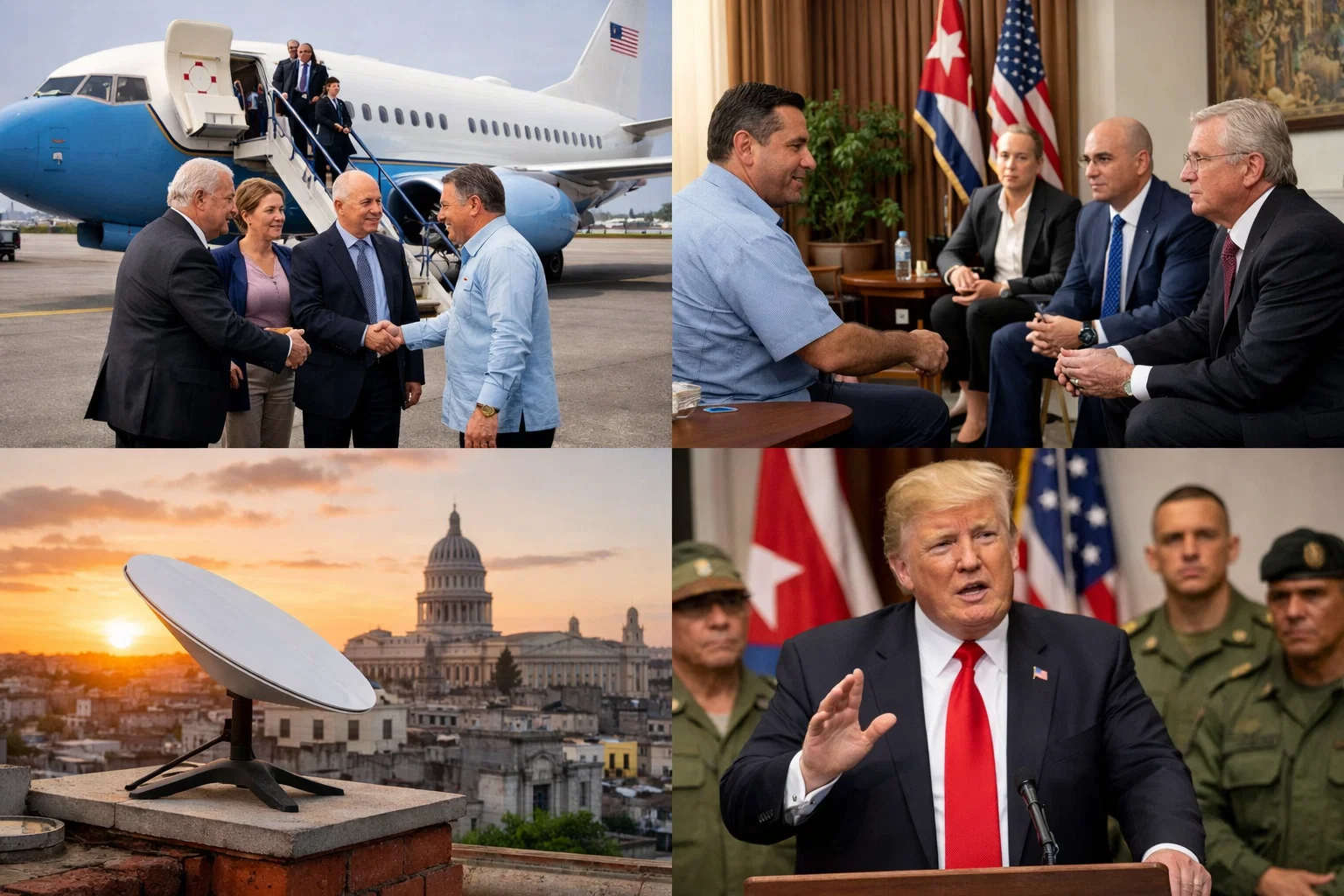
A U.S. government plane just landed in Havana for the first time since Obama. What happened inside those rooms could decide Cuba’s future — and America’s backyard.
Key Points at a Glance
- U.S. State Department officials secretly flew to Havana — the first U.S. government plane to land since Obama’s 2016 visit.
- Talks included Raúl Guillermo Rodríguez Castro — grandson of Raúl Castro — seen as Havana’s de facto back-channel to Washington.
- The U.S. offered to set up Starlink satellite internet access across Cuba as part of diplomatic outreach.
- Washington warned Cuba’s economy is in “free fall” and the window for reform is rapidly closing.
- Cuba has released over 2,000 prisoners — interpreted as a goodwill signal ahead of deeper talks.
- Trump stated he will not allow Cuba to become a national security threat, while leaving military options on the table.
Something extraordinary happened last week — quietly, deliberately, and far from the cameras. A U.S. government aircraft touched down in Havana, the first such landing since President Obama’s historic 2016 visit in a very different era of American diplomacy.
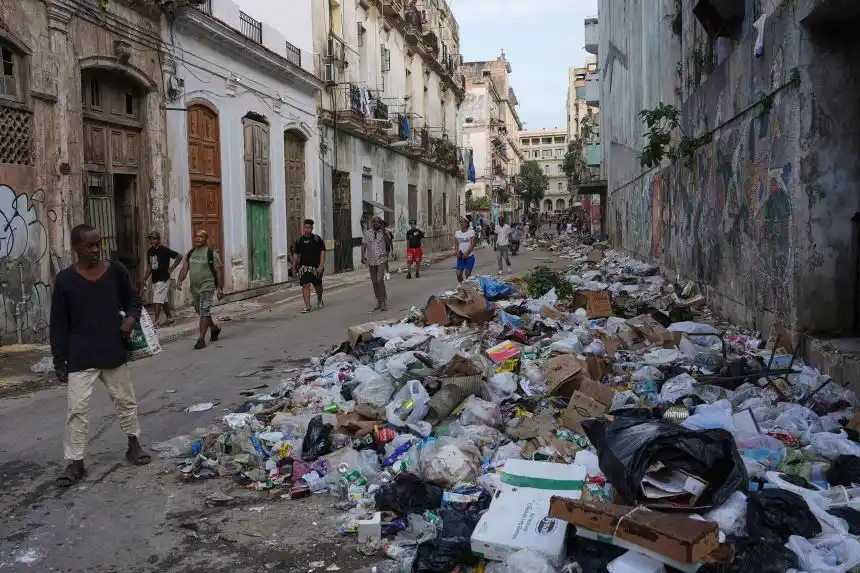
But this time, the context is nothing like 2016. Cuba is teetering on the edge of societal collapse, its economy shattered by fuel shortages, daily blackouts, and a tightening American blockade. President Donald Trump is in office. And Secretary of State Marco Rubio — the son of Cuban immigrants and one of Washington’s most hardline Cuba hawks — is leading the charge.
What took place inside those rooms in Havana could reshape the island’s future, America’s regional security calculus, and one of the longest-running Cold War standoffs in modern history.
2,000+
Prisoners Cuba released as goodwill gesture
90 mi
Cuba’s distance from the U.S. coastline
700K
Barrels of Russian oil allowed in as diplomatic signal
The Man in the Middle: “El Cangrejo” and the Castro Back-Channel
At the center of these talks is a figure most Americans have never heard of: Raúl Guillermo Rodríguez Castro, known by his nickname “El Cangrejo” (The Crab). He is the grandson of aging strongman Raúl Castro, who despite holding no official post, remains the real power behind Cuba’s government.
Washington views Rodríguez Castro as the most direct line to the ruling family. Secretary Rubio first met him in St. Kitts and Nevis in February 2026, and senior State Department officials sat across the table from him again in Havana last week — a remarkable escalation in diplomatic contact.
U.S. officials made the message clear: Cuba’s economy is in free fall, the ruling elite has a shrinking window to act, and Washington is watching every move.
“President Trump is committed to pursuing a diplomatic solution, if possible, but will not let the island collapse into a major national security threat.”
— Senior U.S. State Department Official, April 2026
What America Wants — and What It’s Offering
The U.S. delegation arrived in Havana with a firm list of demands: the release of political prisoners, compensation for American assets seized after the 1959 Revolution, free and fair elections, and a crackdown on foreign intelligence and military groups — including Russian and Iranian operatives — operating on Cuban soil.
In return, Washington dangled a significant carrot: help in restoring internet access via Starlink satellite services. For a country that suffers crippling blackouts and state-controlled media, that offer carries enormous weight — both practically and politically.
The U.S. also reiterated its long-standing policy to help eliminate the Cuban embargo — but only if Havana takes concrete, verifiable steps toward reform. It’s a high bar, and both sides know it.
Cuba‘s Response: Talking, But on Their Own Terms
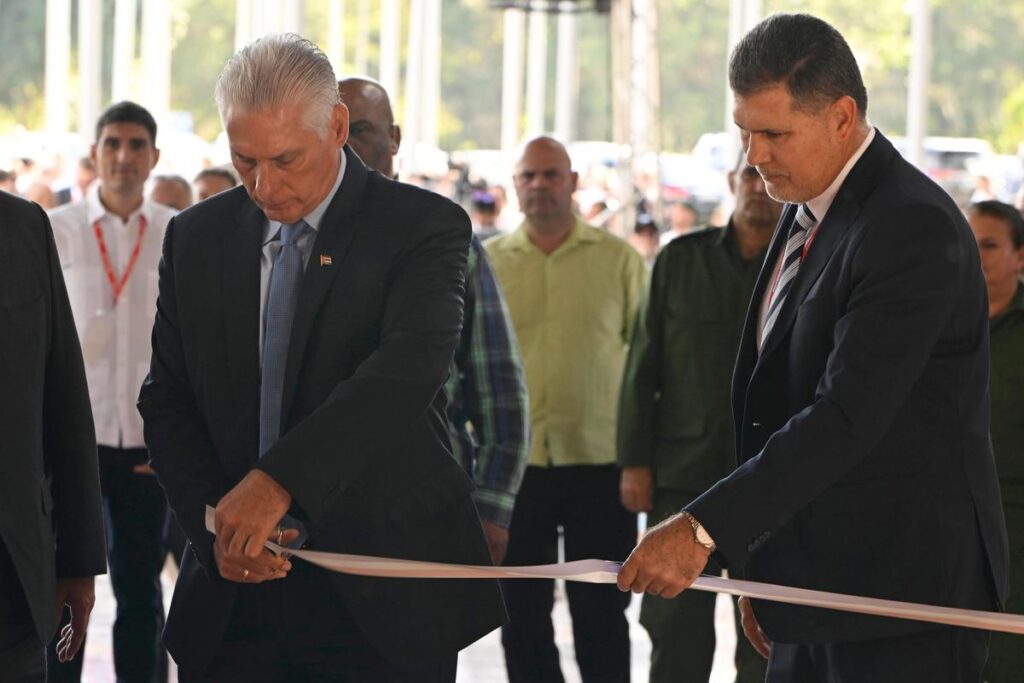
Cuban President Miguel Díaz-Canel confirmed the talks publicly in March — a rare and telling admission from a government that rarely acknowledges back-channel diplomacy. He called the negotiations “a first phase” and warned that any agreement would take time, calling them “long processes” that require real willingness from both sides.
Meanwhile, Havana has sent its own signals. Over 2,000 prisoners were released during Holy Week — framed as a humanitarian gesture but widely read as a diplomatic olive branch. Washington allowed a Russian oil tanker carrying 700,000 barrels of crude to dock in Matanzas — a quiet, reciprocal nod that talks are alive.
But Díaz-Canel has also drawn a red line. He warned this week that Cuba is “ready to fight” if the U.S. attempts any military action, invoking the spirit of April 1961 — the Bay of Pigs invasion — as a rallying cry for Cuban resistance and sovereignty.
“Cuba needs to change. It doesn’t have to change all at once. Everyone is mature and realistic here.”
— U.S. Secretary of State Marco Rubio, February 2026
What Happens Next — and Why It Matters to All of Us
Analysts caution against reading too much into these early moves. The talks are fragile, the demands are steep, and Cuba’s leadership — still ideologically rooted in communist doctrine — faces enormous internal pressure to resist American influence.
Yet the very fact that a U.S. government plane landed in Havana in April 2026 signals that something has shifted. Whether it leads to a managed transition, a negotiated opening, or another decade of stalemate remains to be seen.
Secret Havana Talks: 90 miles of water has never felt more politically charged — and the world is watching every ripple.
Disclaimer: This article is published for informational and editorial purposes only, based on publicly available reporting as of April 2026. TrenBuzz.com does not claim affiliation with any individuals, government bodies, or organizations mentioned herein. Content may be updated as events develop.