Key points
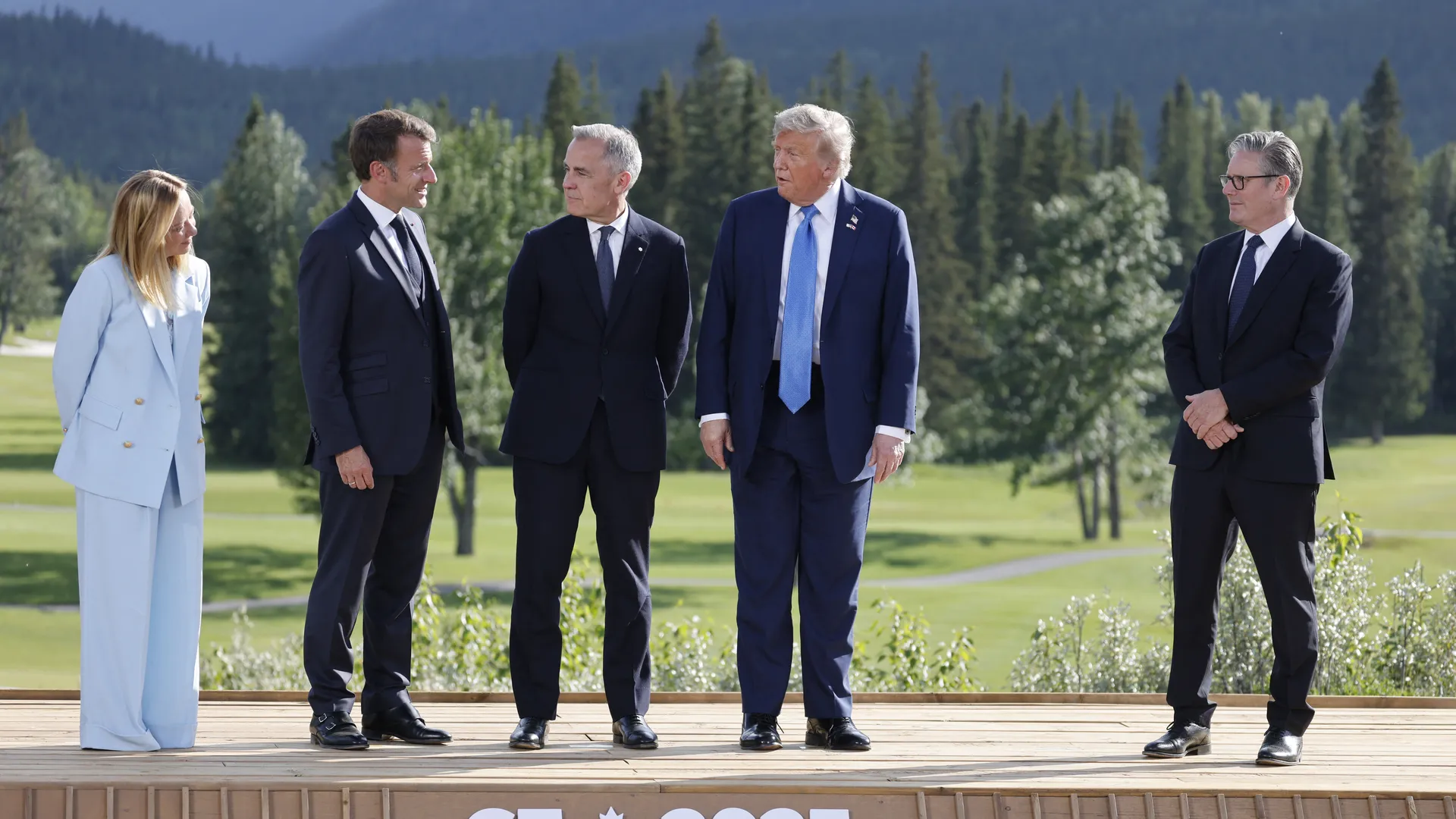
- Britain, France, Germany, Italy, the Netherlands and Japan issued a joint statement saying they were ready to support efforts to ensure safe passage through the Strait of Hormuz and stabilize energy markets.
- The six countries condemned Iran’s attacks on commercial vessels and civilian energy infrastructure, and they called on Tehran to stop mine-laying, drone strikes and missile attacks in the waterway.
- The statement supports “appropriate efforts” and “preparatory planning,” but it does not amount to a full commitment of warships or troops from all six countries. Reuters and Axios both note that several of the governments have previously ruled out sending naval vessels.
- The Strait of Hormuz remains one of the world’s most important energy chokepoints, carrying roughly 20% of global oil and liquefied natural gas flows, so even a partial disruption can move prices and raise inflation worries quickly.
A political signal first, a military coalition second
Six U.S. allies back potential Strait of Hormuz coalition: The headline is easy to read as an alliance announcement, but the fine print matters. Reuters says the six countries said they were ready to join “appropriate efforts” to keep the Strait of Hormuz open and to help stabilize markets, while also condemning Iran’s attacks on commercial shipping and civilian infrastructure. That is a strong political signal, but it is not the same as a binding military commitment.
Axios reports that France, Germany, Italy and Japan have publicly ruled out sending naval vessels during the war, even after signing on to the statement. That is why the emerging coalition is better understood as diplomatic backing for a possible maritime security effort, not an immediate multinational deployment.
Why the Strait of Hormuz keeps dominating headlines
The Strait of Hormuz is the narrow maritime gateway between the Persian Gulf and the Gulf of Oman, and Reuters and AP both note that it is a critical passage for oil and LNG shipments. In practical terms, when traffic through that corridor slows or stops, the effects are felt in fuel prices, shipping insurance, airline costs and inflation expectations far beyond the Middle East.
That is why even a statement about “preparatory planning” matters. It tells markets that major economies are treating the risk as a global economic problem, not just a regional security crisis. Reuters says the allies also welcomed a coordinated release of strategic petroleum reserves and other steps to stabilize energy markets, showing how closely the shipping question is tied to price stability.
What the allies are actually reacting to
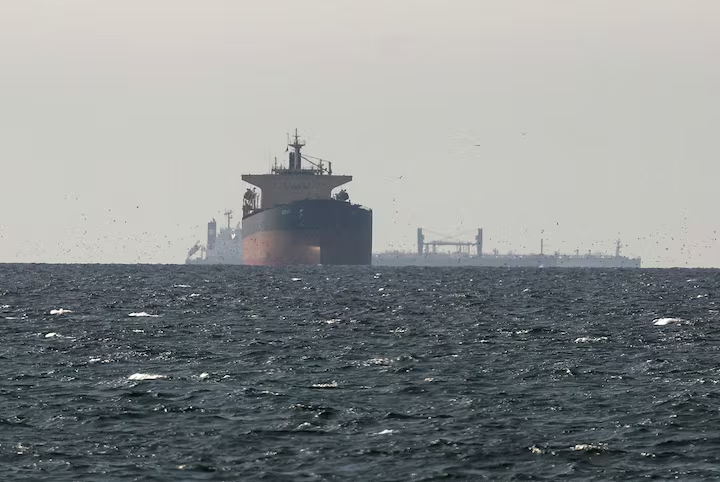
The six-nation statement was a response to attacks on unarmed commercial vessels, civilian infrastructure, and what the countries described as a de facto closure of the Strait by Iranian forces. Reuters quotes the statement calling on Iran to halt mines, drones, missiles and other attempts to block commercial shipping. That language is important because it frames the issue as freedom of navigation and international law, not only as a bilateral U.S.-Iran dispute.
The timing also reflects pressure from Washington. Axios reports that President Trump has pressed allies to do more to secure the waterway and has criticized those who have not stepped up. AP adds that Trump raised the issue directly with Japan’s prime minister in Washington, saying Japan’s dependence on oil moving through Hormuz was a reason to support the effort.
Why Japan matters in this story
Japan is one of the most interesting members of the group because its role is politically sensitive at home and strategically important abroad. AP reports that Prime Minister Sanae Takaichi faced pressure during talks with Trump over how much support Japan should give to the U.S. effort to secure Hormuz. She said Japan supports broader regional stability, but AP also noted that Japanese officials denied any formal request for warships to join the operation.
Reuters separately reported that Japan’s foreign minister, Cho Hyun, emphasized the importance of freedom of navigation and said South Korea would follow constitutional and legal processes if asked to participate. That wider regional debate underscores how the Hormuz issue is now pulling in Asia’s major energy importers, not only Europe and the U.S.
What this means for oil prices and shipping
The market implication is straightforward: the more credible the coalition becomes, the more pressure there is to reopen traffic lanes and reassure shippers. But the closer the effort gets to actual military escort operations, the more political and legal questions appear for European and Asian governments. Reuters and AP both tie the strait’s disruption to energy prices and inflation fears, which explains why the coalition language is focused so heavily on stability.
That does not mean prices will immediately fall just because the statement was issued. Traders will still watch vessel movements, insurer guidance, naval positioning and any new attacks on shipping or infrastructure. In other words, the statement may calm the diplomatic side of the crisis, but the market side will keep reacting to every new headline.
The key question: will anyone send ships?
That remains the unresolved part. Axios says the U.K. has already sent military officers to CENTCOM headquarters to help with planning and that British warships are in the region, but the other allies have not publicly committed naval forces. Reuters’ statement language is deliberately broad enough to allow each capital to avoid a hard promise while still signaling support.
So the emerging picture is a coalition in stages: first, political alignment; second, operational planning; and only then, if governments decide the risks are worth it, actual maritime deployment. That sequence helps explain why the headline sounds bolder than the practical commitments currently in place.
What to watch next
The most important signals are whether the allies move from statement to action, whether shipping insurers treat the strait as safer or riskier, and whether Iran responds with more attacks, less aggression, or negotiations. Reuters says the allies welcome preparatory planning, which means the next phase could involve rules of engagement, logistics, and burden-sharing discussions rather than immediate combat.
Readers should also watch whether the U.S. keeps leaning on Japan, South Korea and Gulf partners to participate more visibly. Reuters and AP both show that the coalition question is now as much about diplomacy and burden-sharing as it is about force projection.
Reader takeaway
Six U.S. allies back potential Strait of Hormuz coalition: This is not yet a full naval coalition, but it is a meaningful step toward one. Six major U.S. allies have publicly backed efforts to keep the Strait of Hormuz open, condemned attacks on shipping and infrastructure, and signaled willingness to support planning. The next test is whether those words turn into ships, escorts, or only more pressure on Iran and more reassurance for global energy markets.