Key points
- Tension over race and gender has made the Democratic U.S. Senate primary in Texas unusually fraught: activists and voters are split over whether attacks focused on identity help or hurt the party’s chance statewide.
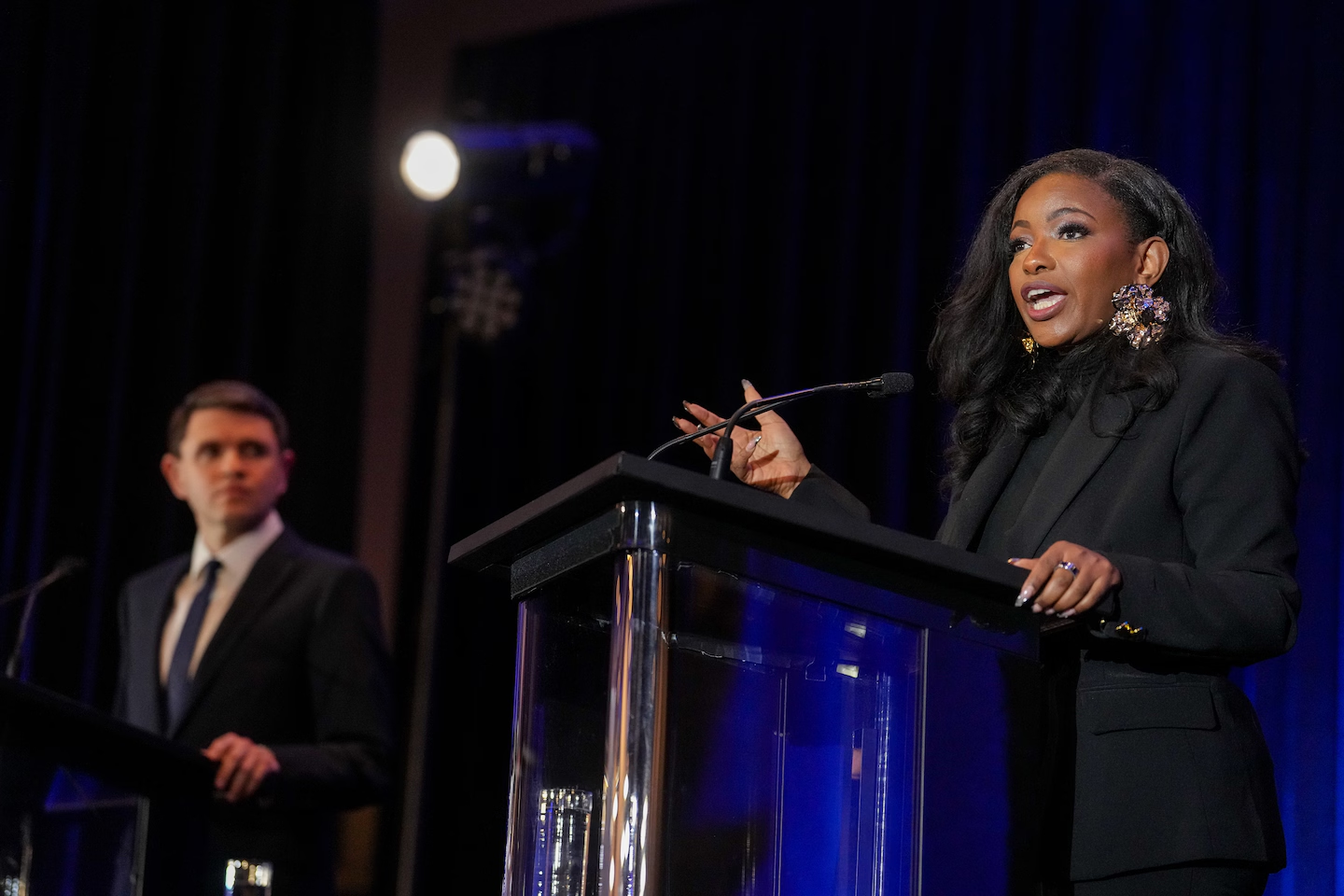
- The contest between Jasmine Crockett and James Talarico has become a fight over electability vs. representation — Crockett leans on Black voter mobilization and bold messaging, while Talarico is pitching broad appeal to Latino and suburban voters.
- Outside endorsements and cultural flashpoints (celebrity endorsements, viral clips) are amplifying the stakes — and could shape which coalition turns out on primary day.
- Latino voters in particular look likely to decide the primary; party strategists worry that intra-party fights over race or gender could suppress turnout or push moderates away ahead of a tough general election in a red state.
What’s happening (Texas Senate race is testing Democrats)
The Texas Democratic Senate primary has turned into a proxy fight over the party’s identity and strategy. Two candidates who are close on policy — style, rhetoric and electoral positioning differ sharply. The back-and-forth includes accusations of racially tinged ads, disputes about electability, and debates over whether to prioritize base enthusiasm or expand the party’s coalition in a state that remains difficult for Democrats at the statewide level.
Why this race matters beyond Texas
- National optics: How Democrats handle intra-party disputes over race and gender will be watched by national leaders and donors as a template for contests in other competitive states.
- Electability test: If identity-focused attacks depress turnout among swing groups (especially Latinos and suburban independents), Democrats risk handing the general election to Republicans in a state where margins are narrow but decisive.
- Messaging tradeoffs: The race spotlights a perennial question — energize the base with bold identity politics or pursue hedged, broad-appeal messaging that aims to peel off moderate voters. The Texas primary will show which approach works in 2026.
The candidates in one paragraph
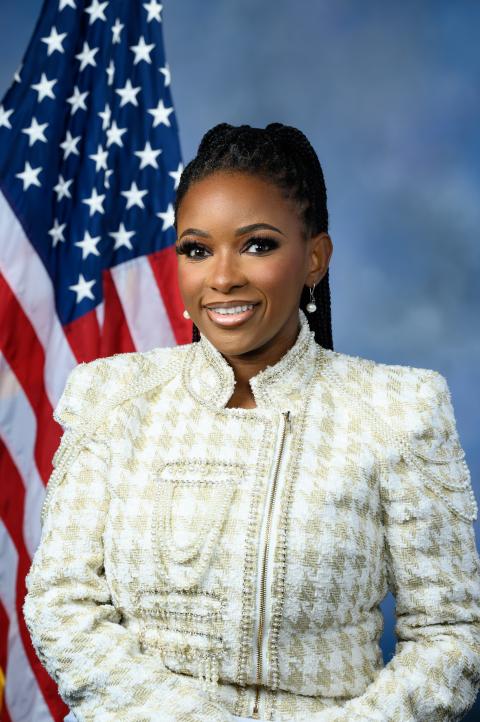
Jasmine Crockett is running as a fierce advocate for racial justice and grassroots mobilization, trading on strong name recognition in Black communities. James Talarico is positioning himself as the more electable option statewide, emphasizing outreach to Latino voters and suburban moderates. Both stress progressive policy, but their tactics and coalition priorities diverge.
Recent flashpoints (what pushed this into a culture fight)
- Ads and accusations: Campaign ads and third-party spots have been framed by rival camps as either legitimate electability talk or racially coded attacks — a flashpoint that turned private campaign tactics into public disputes.
- Celebrity endorsements & viral moments: High-profile endorsements and viral social content (from celebrities and influencers) have amplified emotions on both sides and helped drive small-donor fundraising surges.
- Media cycle: National outlets and social platforms are treating the primary as a test case for Democratic unity — increasing pressure on local organizers and national leaders to weigh in or stay neutral.
What voters — and campaign teams — should watch (actionable)
- Turnout patterns: Which demographic groups show up early and on Election Day? (Black turnout vs. Latino turnout will be decisive.)
- Third-party ad buys: Watch for outside spending that shifts the tone from policy debate to identity framing — and track whether those ads depress or mobilize turnout.
- Endorsement effects: Do celebrity or organizational endorsements move margin in early voting counties? Data over the first days of early voting will be telling.

How party leaders are responding
National Democratic leaders have publicly tried to avoid picking sides while privately worrying about the optics of an intra-party identity fight. Some operatives argue for rapid reconciliation if the primary becomes acrimonious; others say the party must learn lessons about message discipline and coalition building. The concern is that a bruising primary will leave the eventual nominee vulnerable in November.
Quick takeaways — bottom line
This Texas Senate primary is a real-time stress test for how Democrats balance race, gender and electoral strategy. The contest — framed as representation vs. reach — will offer a practical lesson about whether identity-framed campaigning helps build durable coalitions in a state that still leans Republican. Expect turnout patterns, third-party ad spending and Latino voter behavior to determine the outcome — and to shape Democratic approaches to similar fights nationwide.