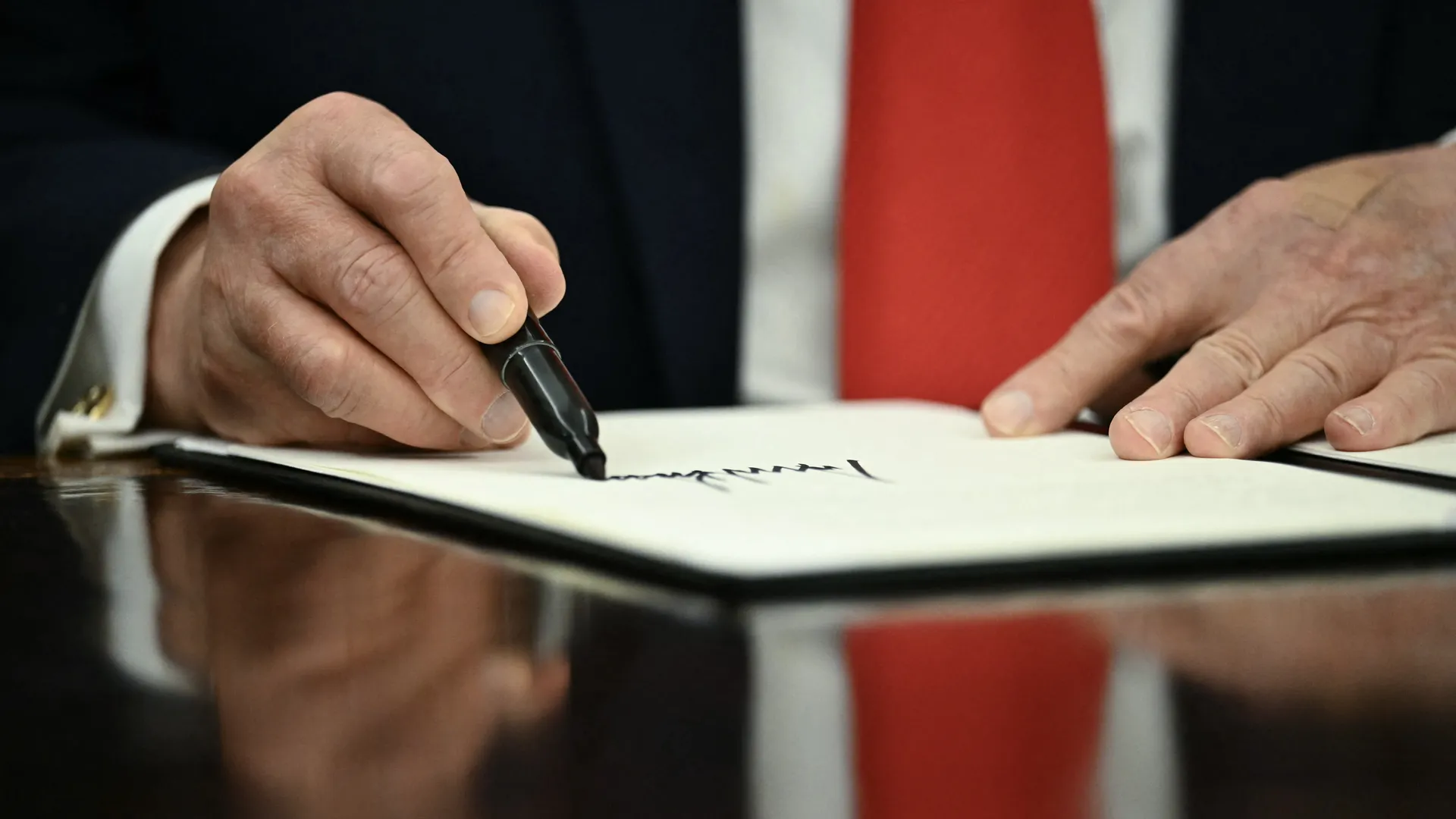
► Key Points – Trump Approval Rating
- Trump’s overall approval rating stands at 38.6% in June 2026, with 58% disapproving, a net rating of -19.4 per aggregated polling averages
- The Trump economic approval rating hit a record low of 29% in March 2026 and remains deeply negative, with 63% disapproving per the June 5 to 8 Economist/YouGov poll
- Just 22% of Hispanics approve of Trump’s economic handling, while only 23% of women give him positive marks on the economy
- Trump’s net approval among men crashed to -21 in the June 1 Economist/YouGov poll, his worst ever rating with the demographic that won him the 2024 election
- Independent voter approval sits at just 34%, below the 36% threshold that preceded Democrats’ 41-seat wave midterm gain in 2018
- The Iran war and tariff-driven inflation are cited by pollsters as the two primary drivers of the approval collapse
- Only 22% of Americans believe Trump’s policies will reduce inflation, down from 41% at his re-election in November 2024
By TrenBuzz Staff · June 13, 2026 · 4 min read
The numbers coming out of national polls this week are as stark as any produced during Donald Trump’s two terms in the White House. The Trump approval rating in June 2026 stands at 38.6% nationally, with 58% of Americans disapproving, according to aggregated polling averages compiled by Silver Bulletin on June 11. And when pollsters drill down into economic performance specifically, the picture becomes even more challenging for the White House to defend.
The Trump economic approval rating reached a historic low of 29% in March 2026 following the start of the U.S.-Iran war, the Strait of Hormuz blockade, and the resulting surge in energy prices. Even after a modest recovery in April, the June 5 to 8 Economist/YouGov poll found that a record 63% of Americans disapprove of how Trump is handling the economy, the highest disapproval figure ever recorded for his economic performance across both terms.
The Numbers That Tell the Full Story
The breadth of Trump’s approval decline in June 2026 is what makes this moment historically significant. Most presidents, even those with low overall ratings, retain pockets of strength on specific issues. Trump, as Newsweek noted this week citing multiple surveys, is now underwater on all four major policy domains tracked by leading pollsters: the economy, inflation, immigration, and foreign policy.
His net approval on immigration, once his strongest issue, has fallen to approximately -10 and held there since March. His net approval on the economy dropped below -30 for the first time in his second term in late May. On inflation specifically, polling from Silver Bulletin shows approval in the 20 to 30 percent range, numbers that represent his worst performance on any single issue across either of his two presidencies.
The Marquette Law School national survey conducted May 20 to 26, 2026, found that inflation and cost of living remain voters’ top concern at 37% of respondents, while immigration, which dominated the 2024 election cycle, has fallen sharply as a priority. That shift is directly damaging to Trump’s political position because his economic record has replaced his immigration record as the dominant lens through which swing voters are evaluating his presidency.
The Men’s Approval Collapse That No One Saw Coming
Perhaps the most alarming data point for the Trump White House is what has happened with male voters. Trump won the 2024 election in part by running up massive margins among men, particularly white working-class men, a demographic he led by double digits in every swing state. The Economist/YouGov poll conducted May 29 to June 1, 2026 found his net approval among men had plunged to -21 points, a record low for his second term and a 37-point swing from positive territory at the start of his presidency.
Among men specifically, only 36% approve of his economic handling versus 23% of women. The collapse is being driven, analysts say, by the direct economic impact of tariff-driven inflation on working-class households, rising gas prices tied to the Iran war’s disruption of global energy markets, and a sense among many male voters that the economic promises of the 2024 campaign have not materialized in their daily lives.
White House spokesman Kush Desai pushed back, telling Newsweek that “President Trump has always been clear about temporary disruptions as a result of Iran’s attempts to subvert the free flow of energy.” But with the Iran war now in its fourth month and no final peace deal yet signed, voters appear increasingly unwilling to treat the economic pain as temporary or acceptable.
“Trump’s net approval rating hit a second term low of -21.2 in late May. His net approval on the economy dropped below -30 for the first time. Things are even more dire on inflation.”
Nate Silver, Silver Bulletin, June 8, 2026
The Independent Voter Warning Light Is Flashing Red
The most politically dangerous number in all of June’s polling data is not Trump’s overall approval or even his economic approval. It is his approval among independent voters, currently sitting at just 34% according to USPollingData.com’s June tracker. That figure matters because of a specific historical comparison that both parties’ strategists know by heart.
In 2018, Democrats gained 41 seats in the House midterms, the largest wave of that era, in an election that became a referendum on Trump’s first term. Before that midterm, Trump’s independent approval had fallen to 36%, a level that analysts at the time identified as the floor below which a wave election becomes almost mathematically inevitable. Trump’s current independent approval of 34% is already below that floor with five months still to go before Election Day.
The generic congressional ballot tracker, which measures which party voters would choose for Congress if the election were held today, currently shows Democrats with a D+7.0 advantage. Historically, a generic ballot lead of more than 5 points for Democrats has translated into significant House seat gains. With the Trump approval rating and the Trump economic approval rating both at record lows in June 2026, the midterm environment is shaping up to be one of the most challenging any first-term midterm president has faced since the George W. Bush era post-2006.
How Does This Compare to Other Presidents?
Context matters when reading approval rating data, and the historical comparison for Trump in June 2026 is not flattering. At this same point in Trump’s first term, his net approval rating was -11.2. Joe Biden’s net approval at the equivalent stage of his presidency was -13.5. Trump’s current net approval of -18.7 represents roughly a 7-point deficit compared to his own first-term performance and puts him in historically difficult territory for a second-term president heading into midterms.
On economic approval specifically, the comparison is even more striking. At this point in his first term, Trump had a positive net economic approval rating of plus 8 percent. His current economic net approval is deeply negative, a swing of 42 points from positive to negative on the single issue that historically drives midterm vote choices more than any other.
The White House has pointed to the Iran war as an extraordinary external circumstance that has disrupted what would otherwise be a stronger economic record. That argument has not resonated with voters. Only 22% believe Trump’s policies will reduce inflation, down from 41% at his re-election just 19 months ago. The Trump economic approval rating and the broader Trump approval rating story heading into the summer of 2026 is one of a president whose political cushion has eroded faster than almost anyone anticipated when he took office in January 2025.
🔗 Also Read:Cornyn Predicts Miserable Final Two Years and a Midterm Disaster for Trump
Disclaimer: This article is intended for informational and news reporting purposes only. All polling data cited is sourced from publicly available surveys conducted by Economist/YouGov, Harris Poll/HarrisX, Quinnipiac University, Reuters/Ipsos, Silver Bulletin/Nate Silver, Marquette Law School, and USPollingData.com between May 14 and June 11, 2026. Poll results represent snapshots in time and carry margins of error as noted by each pollster. TrenBuzz.com does not endorse any political party, candidate, or polling methodology. Content is produced in compliance with Google AdSense publisher policies.