Key Points: Iceland EU referendum
- The Iceland EU referendum held Saturday shows an early “yes” lead of 51.2 percent to 48.8 percent, based on partial results.
- The vote only decides whether Iceland restarts EU accession talks frozen since 2013, not whether the country actually joins the bloc.
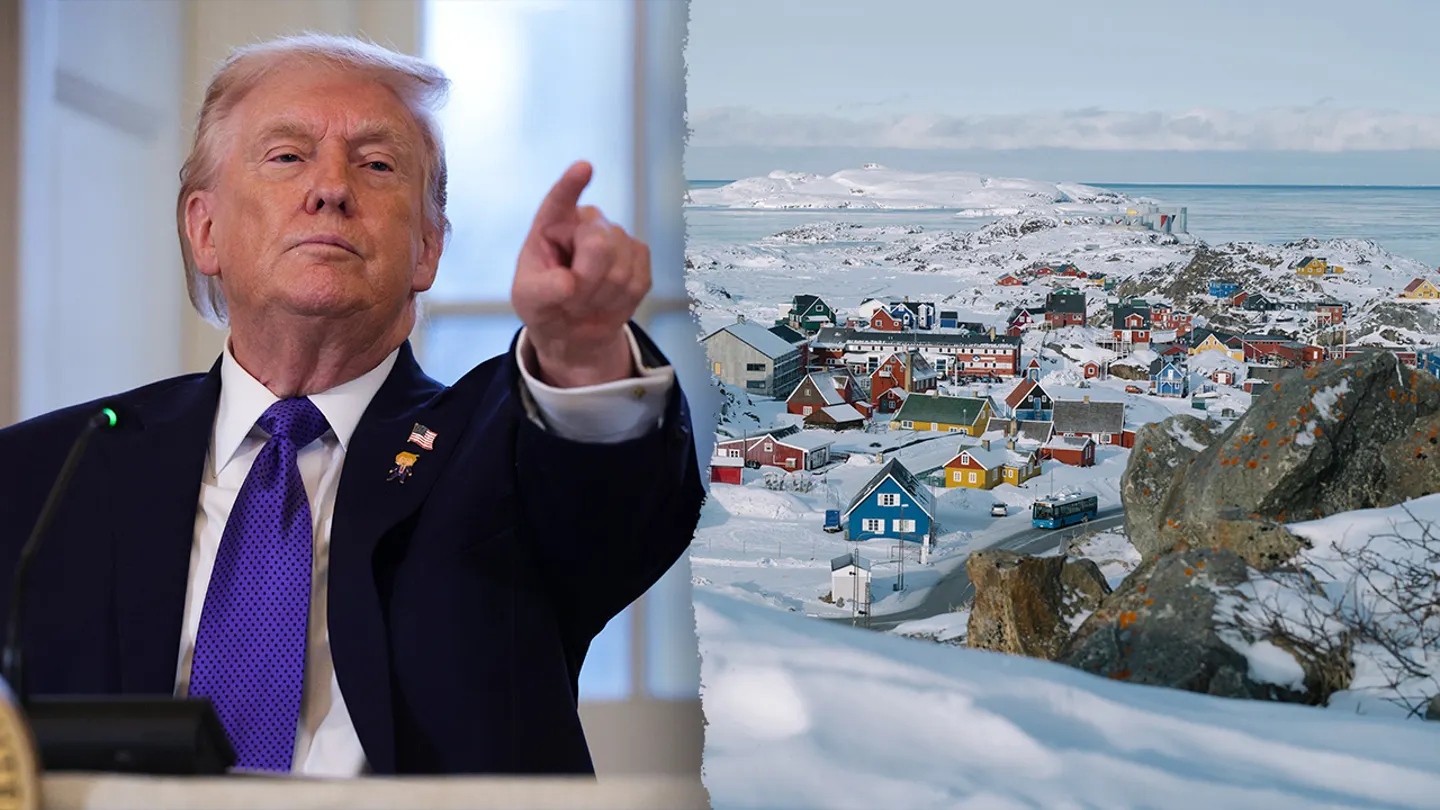
- Trump’s recent push to acquire Greenland has quietly raised the security stakes surrounding this vote for American observers watching the Arctic region.
- A final, reliable result isn’t expected until midday Sunday, with roughly 270000 eligible voters deciding the outcome.
Iceland EU Referendum Comes Down To A Photo Finish
The Iceland EU referendum has produced exactly the nail biter analysts predicted heading into Saturday’s vote. Early results from Iceland’s national broadcaster RUV show the “yes” side holding a narrow lead, 51.2 percent to 48.8 percent, based on the first 87,000 of roughly 270,000 eligible ballots counted.
Voters were asked a single, carefully worded question: should Iceland resume accession negotiations with the European Union, talks that have sat frozen since 2013. Officials caution a truly reliable result may not arrive until midday Sunday.
What This Vote Actually Decides
Here is a detail worth understanding clearly before assuming too much from Saturday’s outcome. This referendum does not decide EU membership itself. It only instructs Iceland’s government on whether to restart the negotiation process that began back in 2009 and was shelved four years later.
Even if accession talks do resume and eventually succeed, any final membership agreement would require a second, separate referendum, along with formal ratification from all 27 existing EU member states before Iceland could actually join.
Why This Question Keeps Coming Back
Iceland first applied for EU membership in 2009, a year after the country’s economy collapsed during the global financial crisis, when many Icelanders saw European integration as a path toward greater economic stability.
That momentum reversed by 2013, when a new coalition government suspended talks entirely and later moved to formally withdraw the application without ever putting the decision to voters, a choice that left lingering political resentment still shaping today’s debate.
Prime Minister Kristrún Frostadóttir’s current center-left coalition revived the question this year, setting Saturday’s vote as one of its central governing commitments after taking office following the November 2024 parliamentary election.
The American Angle Most Coverage Is Missing
Here is where this story becomes genuinely relevant well beyond Iceland’s own borders. President Trump’s continued push to acquire Greenland has quietly reshaped how this specific referendum gets discussed internationally, even though Icelandic officials insist their debate remains driven primarily by domestic concerns.
Iceland sits directly within the strategically vital GIUK gap, the stretch of ocean between Greenland, Iceland, and the United Kingdom that has served as a critical naval chokepoint for decades. As Arctic competition intensifies and Russia’s war in Ukraine continues, that geography carries fresh weight.
Analysts note that closer EU ties could meaningfully shift how Iceland positions itself amid growing great power competition in the Arctic, adding a security dimension to a vote that Icelandic voters themselves describe as being mostly about economics and sovereignty.
What’s Actually Driving Icelandic Voters
Despite the geopolitical backdrop, political experts studying the campaign say fisheries, currency policy, and national sovereignty remain the dominant issues shaping how Icelanders are actually voting, not broader Arctic security concerns.
Iceland’s powerful fishing industry has historically opposed EU membership, fearing a loss of control over local waters under the bloc’s common fisheries policy. Supporters counter that adopting the euro could offer welcome currency stability compared to Iceland’s historically volatile krona.
What Happens Next
With Saturday’s early lead sitting well within any reasonable margin for late shifts as remaining ballots get counted, both sides are likely to wait cautiously for Sunday’s fuller results before declaring any real victory.
If the “yes” side holds, expect Iceland’s government to formally restart accession talks with Brussels relatively quickly, kicking off a process that historically takes years before any final membership question ever reaches voters again.
The Bottom Line
The Iceland EU referendum captures a small Arctic nation’s genuine internal divide over its economic and geopolitical future, playing out at the exact moment broader great power competition over the Arctic region continues intensifying around it.
Trenbuzz will continue following developments as Sunday’s fuller referendum results are confirmed.