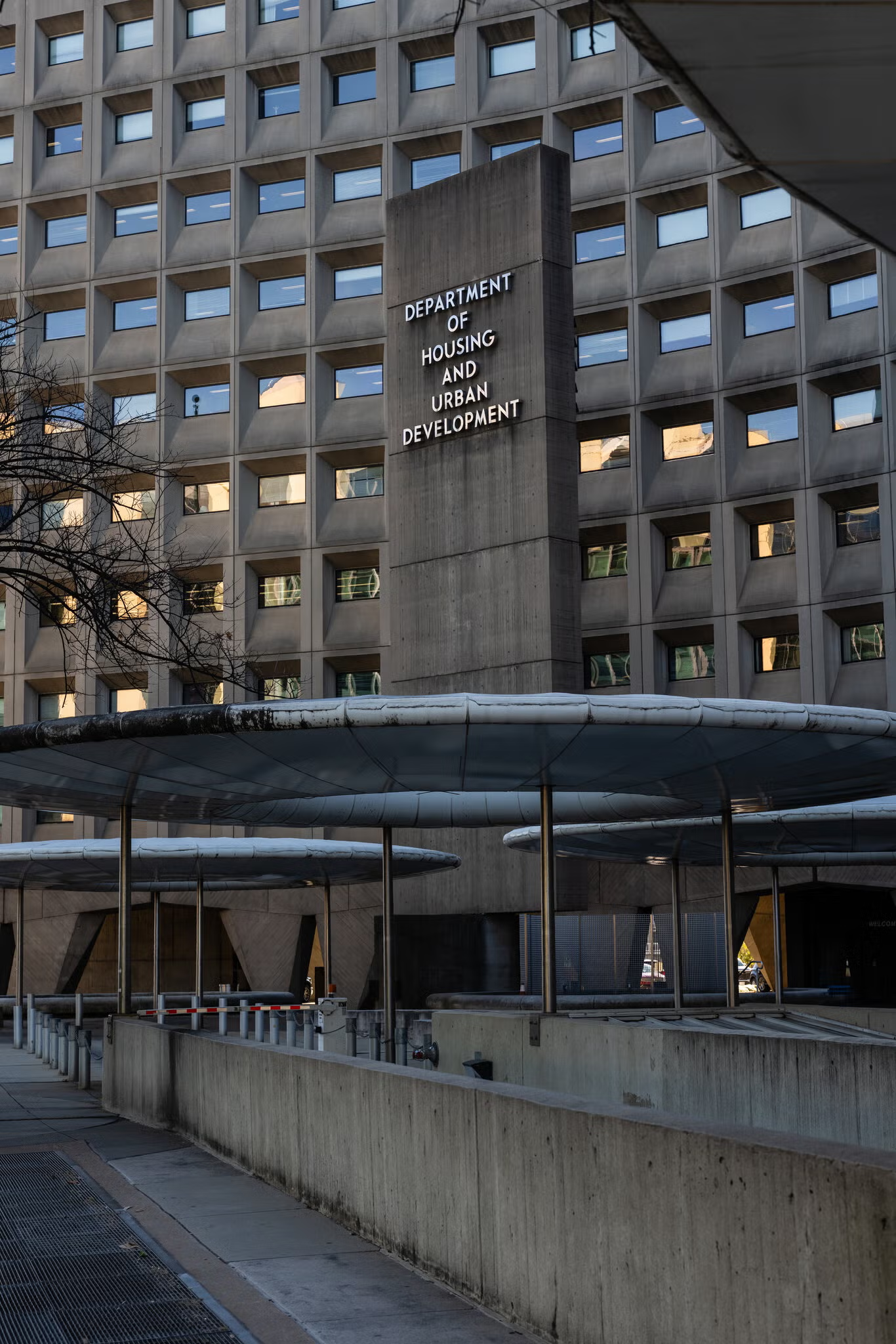
Key Points: Trump Homelessness Ruling Starts
- On Friday, November 20, 2026, U.S. District Judge Mary McElroy in Providence, Rhode Island, ruled that the Trump administration unlawfully tried to overhaul a roughly $4 billion federal homelessness program.
- The program is the Continuum of Care, which has run since 1987. HUD had planned to set aside $1.3 billion of this year’s money for transitional housing and service-only grants.
- The judge said HUD went beyond the power Congress gave it under the McKinney-Vento Homeless Assistance Act.
- Applicants can fix and resubmit their grant requests through December 1. HUD must award the money by December 31.
- HUD Secretary Scott Turner said the agency may appeal.
Court rulings usually turn on law. This one also turns on the calendar.
That is the part many readers will miss. Here is what happened, and why the next 41 days matter.
What the Trump Homelessness Ruling Says
The Continuum of Care program sends federal money to states, cities and nonprofits. It helps veterans, families and people with disabilities find stable housing.
For years it has leaned on a “housing first” idea. People are placed in permanent housing without conditions such as sobriety or a job.
HUD tried to change the mix. It wanted more money for transitional housing and for service-only grants, and less for permanent housing.
Why the Court Said No
Judge McElroy found HUD overstepped under the McKinney-Vento Act. She wrote that a catch-all clause “cannot be read as allowing HUD to nullify the other congressionally established mandatory factors.”
In plain words, the agency cannot use a general rule to cancel specific rules Congress wrote. Those specific rules include reviewing how existing projects perform.
She also struck down a ban on grant activities for drug users, such as needle exchanges. A rule letting HUD reject applicants that did not do enough to promote “self-sufficiency” was thrown out as well.
Who Brought the Case
The lawsuit came from 22 mostly Democratic-led states, the District of Columbia and advocacy groups. One of them was the National Alliance to End Homelessness.
The alliance said the ruling protects the ability of communities and providers to compete fairly for funding. It said providers should not be penalized for offering permanent housing.
This is not the first round. McElroy blocked earlier versions of the changes in 2025 and again in 2026, and an appeals court lifted the 2026 order before challengers returned on new grounds.
The Clock Is the Real Story: Our Reading
Here is an angle you will not find in most coverage. Count the days.
The ruling came on November 20. Applicants have until December 1 to amend and resubmit, and HUD must award funding by December 31. That is 41 days from the ruling to the deadline.
The court did not only decide who is right. It also set a short timetable, and a short timetable can be as powerful as the ruling itself.
A local provider whose grant is up for renewal cannot wait for a long appeal. Staff paychecks, leases and case managers depend on the award arriving on time.
That is our analysis, not a reported finding. But it helps explain why the fight now looks more like a race than a debate.
What HUD Says
Turner said the ruling disrupts $4 billion for the most vulnerable just days before awards were set to be made. He said HUD is no longer in the business of “throwing taxpayers’ money at a status quo.”
He argued that the old approach has failed again and again. HUD says it may appeal.
Supporters of the change say transitional housing and treatment requirements can help people move toward stability. Critics say research behind housing first shows permanent housing works best.
The Domestic Violence Concern
One side issue got less attention. The National Network to End Domestic Violence and 88 other groups warned in October that tying housing to supportive services could shut out many survivors.
They said it could clash with federal family violence rules that bar providers from forcing people into services. They also warned that tracking participation could risk confidentiality.
Their letter said housing instability is among the most reliable predictors of continued violence. Those are the groups’ claims, and the judge’s ruling rested on the McKinney-Vento Act.
Three Dials HUD Turned
A simple way to see the dispute is to picture three dials.
- The money mix: How much goes to permanent housing versus transitional housing and service-only grants.
- The conditions: What grantees must do, such as promote self-sufficiency or avoid certain drug related activities.
- The scoring: How much weight an existing project’s results carry.
The court said HUD went too far on all three. The point was less about which approach is better and more about who gets to decide. Congress wrote the rules, and the court said the agency has to follow them.
What Readers Can Do Now
- If you rely on a local shelter or housing program, ask whether its Continuum of Care application is part of the December 1 resubmission.
- If you volunteer or donate, ask your local provider how a delayed award would affect its budget.
- If you follow policy, watch whether HUD appeals and whether a higher court pauses the order.
What to Watch Next
- An appeal: Whether HUD asks a higher court to pause the order, as it did earlier this year.
- December 1: How many applicants resubmit and whether HUD accepts them.
- December 31: Whether awards go out on time.
- Congress: Whether lawmakers write clearer rules for the program.
For now, the court has told the administration to follow the law Congress wrote. The next 41 days will show how fast that can happen.